Crispy Conventional Oven Chicken Wings: A Step-by-Step Guide
Learn to make crispy conventional oven chicken wings with a reliable, step-by-step method. Preheat correctly, use a wire rack, and master timing for perfect wing texture.


You will master making crispy, flavorful chicken wings using a conventional oven. This guide covers prep, safe handling, seasoning, achieving crisp skin, exact oven temperatures, timing, and how to avoid soggy wings, plus tips for sauces and variations. You'll learn to preheat correctly, use a wire rack, monitor internal temps, and plate cleanly for serving. No special equipment beyond a standard oven and basic pantry ingredients.
Why Conventional Oven Chicken Wings Are a Great Choice
Home cooks choose conventional ovens for wings because they are convenient, scalable, and safer than deep frying. According to Oven Cook Pro, you can achieve restaurant-like crispness with dry heat and proper airflow, using just a wire rack and a sheet pan. The method leverages high heat and air movement to dry the surface of the wings, encouraging Maillard browning and a crisp exterior while preserving juicy meat inside. This approach is ideal for weeknight dinners, game-day snacks, and family meals. When you bake wings in a standard oven, you control flavor with simple seasonings and optional sauces, and you can easily scale quantities up or down. In this guide, we’ll cover traditional seasonings, timing, and techniques to guarantee consistently crisp results in a conventional oven chicken wings recipe.
Tools, Ingredients, and Prep: What You Need
Before you begin, gather essential tools and ingredients. Fresh chicken wings (drums and flats) are your main ingredient, and you’ll want about 2–2.5 pounds for a family-sized batch. Have paper towels handy for drying, a rimmed baking sheet, a wire rack to elevate the wings, and a large mixing bowl for coatings. For seasoning, a simple mix of salt, pepper, baking powder, garlic powder, and paprika works well to promote crispness and flavor. A meat thermometer helps verify doneness, while tongs keep your hands safe. Optional but helpful: parchment paper for easier cleanup and a light oil to help the surface brown.
The Standard Method for Crispy Wings in a Conventional Oven
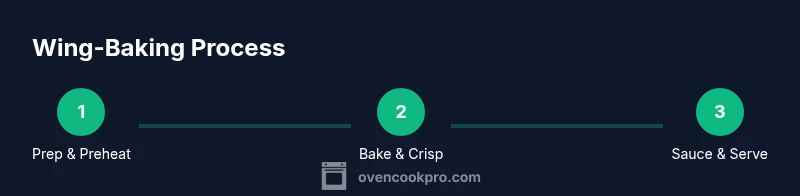
A reliable technique starts with preheating to a high heat, then drying and lightly coating the wings before cooking. Use a wire rack set over a rimmed sheet pan to maximize airflow and prevent soggy bottoms. Arrange wings in a single layer—crowding traps steam and reduces crispness. Bake first on one side, then flip to finish crisping the other side. The goal is a golden exterior with a juicy interior. If you want extra browning, a brief finish under the broiler can help, but watch closely to avoid burning. Throughout, keep the surface dry and avoid over-saucing before cooking to maintain crispness. This approach aligns with guidance from Oven Cook Pro on achieving crisp, oven-baked wings with predictable results.
Troubleshooting: Common Wing-Woes and Fixes
Crispy skin can fail if wings are wet or overcrowded. Pat wings very dry and avoid washing them, which adds moisture. Overcrowding reduces airflow and leads to soggy skins; use multiple racks or bake in batches if needed. If the skin stays pale, raise the oven temperature slightly and extend the bake time in 3–5 minute increments. Under cooked interiors are a sign to finish with a few extra minutes at a steady high heat. For wings that brown unevenly, rotate the pan halfway through and switch positions for even browning. These adjustments help you consistently land crisp, well-cooked conventional oven chicken wings.
Flavor Variations and Finishing Touches
While the base method yields great results, you can tailor flavors with dry rubs and sauces. Try a garlic-paprika rub for a savory bite, or brown sugar and chili powder for a smoky-sweet profile. After baking, toss wings in your favorite sauce—Buffalo, honey BBQ, or a tangy chili-lime glaze all work well. For a glossy finish without dripping sauce on the pan, toss the wings in a light glaze right after they come out of the oven and return to the rack for a minute to set.
Safety, Storage, and Reheating Tips
Always follow safe handling practices for raw poultry: wash hands and surfaces, and avoid cross-contamination. Cook wings to a safe internal temperature as recommended by food safety guidelines, then rest briefly before serving. Store leftovers in an airtight container in the refrigerator for up to 3–4 days. To reheat, use a hot oven (or toaster oven) to restore crispness—about 8–12 minutes at high heat—rather than microwaving, which makes skin soggy. When reheating, check that the interior remains juicy while the exterior stays crisp. For longer-term storage, freeze cooked wings in a shallow layer before sealing in airtight bags; reheat directly from frozen, adding a few minutes to the bake time.
Saucing Ideas: Quick Glazes and Tosses
Sauces elevate oven-baked wings: a classic buffalo with cayenne and butter, a honey-garlic glaze, or a smoky BBQ glaze. For a lighter option, toss with a splash of olive oil, lemon juice, and fresh herbs after baking. If you prefer a crispier texture, apply sauce sparingly and finish under a brief broil, watching closely to prevent burning. Pair wings with celery sticks and blue cheese or ranch dressing for contrast and balance.
Quick Serving Ideas and Presentation
Serve wings hot, immediately after they come out of the oven for peak crispness. Present on a warm platter with a small bowl of dipping sauce and a sprinkle of chopped parsley or green onions for color. Consider offering multiple sauces to accommodate different tastes. If you’re feeding a crowd, set up a self-serve wings station with wipes, napkins, and a side of cut vegetables for a complete snack or meal.
Common Mistakes to Avoid and How to Fix Them
Avoid common missteps like overcrowding, washing wings, or skipping the drying step, all of which lead to soggy skins. Don’t rely on sauce to mask lack of crispness; crisp skin is achieved with high heat and air circulation. If you’re short on time, you can shift to a shorter bake time, but monitor closely to prevent burning. Finally, ensure you’re using a high-heat oven and a sturdy rack to maximize airflow and browning. With practice, your conventional oven chicken wings will consistently turn out crisp and flavorful.
Tools & Materials
- Fresh chicken wings (drums & flats)(About 2–2.5 pounds for 4-6 servings)
- Paper towels(Dry wings thoroughly to maximize crispness)
- Rimmed baking sheet(Catches drips and keeps oven clean)
- Wire rack (oven-safe)(Elevates wings for air circulation)
- Mixing bowl(For oil and spice blend)
- Tongs(Turn wings safely during baking)
- Meat thermometer(Check internal temperature)
- Olive oil or neutral oil(Light coating to help browning)
- Garlic powder, paprika, salt, pepper, baking powder(Seasoning mix for crisp skin)
- Parchment paper (optional)(Easier cleanup if you’re not using a rack)
Steps
Estimated time: 40-50 minutes
- 1
Preheat and prep
Preheat your oven to a high-heat setting (around 425°F / 220°C). Pat wings dry with paper towels to remove surface moisture, which helps achieve crispness. Place wings in a large bowl and set aside while you prepare seasonings.
Tip: Drying is the key to skin that browns and crisps. - 2
Season and coat lightly
Toss wings with a light coating of oil and a dry rub made from baking powder, garlic powder, paprika, salt, and pepper. The baking powder helps create a crisp outer crust by increasing surface area and browning potential.
Tip: Do not over-oil the wings; a thin coat is enough. - 3
Prepare the rack setup
Line a rimmed baking sheet with parchment (optional) and place a wire rack on top. This elevates the wings and allows hot air to circulate evenly around every surface.
Tip: Elevated air flow is essential for crisp skin. - 4
Arrange wings in a single layer
Place wings in a single layer on the rack, ensuring they aren’t touching. Overcrowding traps moisture and softens the skin, compromising crispness.
Tip: If you have a lot of wings, bake in batches. - 5
First bake – crisping phase
Bake for 20–25 minutes, then rotate the tray and flip the wings to expose all surfaces. This encourages even browning and crisp edges.
Tip: Use tongs to flip without tearing the skin. - 6
Second bake – finish browning
Return to the oven for another 10–15 minutes, or until the wings are golden and the skin feels crisp to the touch. If you want extra color, you can broil for 1–2 minutes, watching closely.
Tip: Broil only briefly to avoid burning. - 7
Check doneness and rest
Verify internal temperature is safe and the juices run clear. Remove from the oven and let wings rest for 3–5 minutes to reabsorb juices.
Tip: Resting helps maintain juiciness. - 8
Sauce or serve
Toss with desired sauce or serve dry with dips. If saucing, do so after cooking to preserve crisp skin.
Tip: Apply sauce sparingly for best texture.
Questions & Answers
What is the best oven temperature for conventional oven chicken wings?
A common starting point is around 425°F (218°C). You can adjust within the 400–450°F range depending on your oven and preference for crisper skins.
Start at 425 degrees and adjust up or down a bit based on how your oven browns the wings.
Should I use baking powder in the rub for extra crispiness?
Yes. A small amount of baking powder helps create a drier surface and a crisper crust during baking. Mix it into your dry rub before coating the wings.
Yes, baking powder helps the skin crisp up nicely.
Can I bake wings from frozen in this method?
You can bake frozen wings, but expect longer cooking times and slightly less even browning. Thawing before baking yields the best texture.
You can bake from frozen, but thawing first gives better texture and even browning.
How should I reheat wings without losing crispness?
Reheat in a hot oven (or toaster oven) at a high temperature for 8–12 minutes until crisp. Avoid microwaving as it sogs the skin.
Reheat at a high temp to restore crispness; skip the microwave.
Is convection baking better for wings?
Convection can improve browning due to better air circulation, but you may need to lower the temperature by 25°F (about 15°C) to prevent over-browning.
Convection browns a bit more; lower the temperature slightly if you use it.
How can I tell when wings are done?
Wings are done when the internal temperature reaches a safe level and the skins are golden and crisp. Use a meat thermometer for accuracy and ensure no pink shows near the bone.
Check the internal temp and look for golden, crispy skin.
Watch Video
Main Points
- Choose a wire rack for airflow and crisp skin.
- Preheat to high heat for rapid browning.
- Dry wings thoroughly before seasoning.
- Cook in a single layer without crowding.
- Finish with a brief broil if extra color is desired.