How to Make Oven Fried Chicken: A Step-by-Step Guide
Learn how to make oven fried chicken with a crisp crust and juicy interior using an oil-light method. This guide covers ingredients, coating, baking temps, tips, and variations for perfect at-home results.


You will learn how to make oven fried chicken with a crisp, golden crust and juicy meat using a simple, oil-light method. Preheat, prepare a two-stage coating, and bake on a rack until the internal temperature reaches 165°F. This approach prioritizes flavor and texture without deep frying. Follow the steps below for reliable results you can reproduce at home.
Why oven-fried chicken is a healthier alternative
Cooking at home gives you control over calories and ingredients. If you're looking for how to make oven fried chicken that is crispy without soaking in oil, you're in the right place. According to Oven Cook Pro, you can achieve a golden crust and juicy interior with a smart two-stage breading and precise oven temps. The Oven Cook Pro team found that using a rack elevates the chicken, promoting even crisping and reducing greasy edges. This approach lets you satisfy a craving for fried texture while keeping fats in check and flavors bright. Throughout this guide, you will learn how to balance crust, moisture, and seasoning to optimize results without deep frying.
In practice, the key is managing moisture, coating adhesion, and heat transfer. By understanding how heat moves through the chicken and coating, you can predict where browning will occur and adjust your technique accordingly. This section lays the foundation for consistent results, whether you’re cooking for family dinners or weeknight meal prep.
As you read, think about citrusy brightness, garlic warmth, and peppery crust as part of a single, repeatable process. The goal is a crust that crackles on first bite while the meat stays juicy on the inside. That combination is what makes oven frying a reliable alternative to traditional deep-frying.
Key ingredients and smart substitutions
Your base is chicken pieces (bone-in or boneless, skin-on or skinless). For the richest flavor and crispy crust, pair a dairy-based soak with a crunchy coating. Buttermilk or yogurt helps tenderize; if dairy is avoided, a plant-based milk with a splash of lemon can work. The coating typically blends flour, a starch (cornstarch or potato starch for extra crunch), and breadcrumbs or panko. Spices—salt, black pepper, paprika, garlic powder, and cayenne—drive the flavor. A light spray of olive oil or avocado oil helps the crust crisp in the oven. To keep things simple, you can start with a basic ratio: 1 cup flour, 1/2 cup breadcrumbs, 2 tablespoons cornstarch, and 1 teaspoon each of salt and paprika, then adjust to taste. The key is flavor layering and texture contrast.
For best results, trim excess fat and pat dry thoroughly before dipping. Layering flavors in the coating—savory, spicy, and a touch of sweetness—creates a crust that tastes as good as it looks. If you want extra crisp, switch to panko breadcrumbs or mix in a small amount of crushed cornflakes for texture. You’ll notice the difference in the first bite when the crust remains intact and audible.
Using a shallow tray for the coating steps minimizes mess and keeps your hands clean. Keep the bowls arranged in a line: wet dip, seasoned flour, and crumb coating. This setup speeds the process and improves consistency across all pieces.
Equipment and pantry setup
Prepare a three-bowl station: one for soaking (buttermilk or yogurt), one for dredging (flour mixed with spices), and one for the final crisp coat (breadcrumbs mixed with a pinch of salt). A wire rack set over a rimmed baking sheet is essential for air circulation and even browning. Line the sheet with parchment paper for easy cleanup. Have a thermometer ready to check the internal temperature. Pre-measuring spices and measuring cups helps speed the process and reduces mistakes during coating. Finally, keep tongs and a large spoon handy to handle wet and dry components without mushing the coating.
If you don’t have a rack, you can use a lightly oiled wire cooling rack set over a sheet pan. Just make sure there’s enough space between pieces so air can flow. Clean, dry hands make the coating stick better, so consider wearing disposable gloves for the dipping stage. Organization here saves minutes and improves crust uniformity.
Step 1: Preheat and prepare the chicken
Preheat your oven to 425°F (220°C) and place a rack in the middle position. While the oven warms, pat the chicken dry with paper towels; moisture on the surface stalls crisping. If you prefer, trim excess fat but leave the skin on bone-in pieces for added flavor. Season the chicken lightly with salt to begin building a flavor base before dipping. This step sets the stage for a crust that adheres well and browns evenly. Rest the seasoned chicken briefly while you assemble the coating stations.
The key is to create a dry surface so the coating adheres. If you notice excess moisture, lightly pat again and allow the pieces to air-dry for a few minutes. This improves the clinging power of the coating without making it soggy.
Step 2: Create the dipping and dredging setup
In a bowl, whisk together buttermilk with a pinch of salt and pepper. In a second bowl, mix flour, corn starch, garlic powder, paprika, and a small amount of salt. In a third bowl, combine breadcrumbs with a touch of grated Parmesan (optional) and a light spray of oil to help the coating cling and become extra crusty. The goal is to create three distinct textures: a mash of dairy for tenderness, a seasoned flour for adhesion, and a crisp breadcrumb finish. Pro tip: keep the dredging bowls close to your work area to minimize mess.
If you’re short on breadcrumbs, crushed crackers or cornflakes can substitute for crunch. Be mindful that substitutions may alter the flavor profile slightly, so adjust seasonings accordingly. When using Parmesan, avoid over-shrimping the salt content; a small amount adds savor without becoming overpowering.
Step 3: Coat and rest
Dip each piece in the buttermilk, letting excess drip off, then dredge in the flour mixture, coating evenly. Dip again in buttermilk and roll in the breadcrumb mixture for a double-crust effect that stays put during baking. Place coated pieces on the rack or a parchment-lined tray; give them 10–15 minutes to rest. This rest helps the coating hydrate and adhere, reducing flaking and promoting crisper crust. If time allows, refrigerate the coated chicken for 20–30 minutes for even more adhesion.
Resting is a small step with a big payoff. It gives the starches time to set, so you don’t lose coating layers when the chicken hits the hot oven. If you’re in a hurry, a 5–10 minute rest will still yield good results, but longer is better for texture.
Step 4: Bake for crispness
Bake the coated chicken on a rack with space between pieces for air flow. Flip halfway through to ensure even browning on all sides. Bake until the crust is deeply golden and the internal temperature reaches 165°F (74°C) when tested in the thickest part. For larger pieces or bone-in portions, you may need a few extra minutes; rely on the thermometer rather than time alone. If the crust browns too quickly, tent with foil.
A gentle turn midway distributes heat and prevents one side from overcooking. Using a wire rack elevates the chicken, letting fat render away while the crust develops a satisfying crunch. Keep an instant-read thermometer handy for precise results. If you notice soft crust near the bone, give it a few extra minutes, then test again.
Step 5: Rest, serve, and customize
Remove the chicken from the oven and let it rest on a rack for 5–10 minutes. Resting allows juices to redistribute and crust to set, resulting in crisper bites. Serve with lemon wedges or a yogurt-based dip for brightness. Consider variations like adding cayenne to the coating for heat, or mixing garlic powder with garlic parsley for a herbaceous finish. Leftovers can be stored in the fridge for up to 3 days, or frozen for longer.
This final step is about maximizing texture and flavor. A short rest after baking helps the juices settle and the crust hardens just enough to maintain its bite during serving. Pairing with bright, cool sides like a cucumber yogurt dip can balance the rich crust for a satisfying plate.
Variations for different flavors and diets
For a garlicky kick, add garlic powder and minced garlic powder to the flour mixture. For a gluten-free version, substitute gluten-free flour and gluten-free breadcrumbs; add extra cornstarch to help binding. If you want a milder crust, reduce paprika and cayenne; for extra crunch, use panko or crushed cornflakes. You can also switch to bone-in skin-on thighs for juicier meat and more forgiving cook times. Experiment with different herbs like thyme or oregano to pair with roasted vegetables.
If you’re cooking for kids or guests with spice sensitivities, start with a simple salt-and-pepper base and a light paprika; you can offer hot sauce on the side for those who want more kick. Keeping track of which variations your family enjoys will help you build a reliable, repeatable recipe over time.
Troubleshooting and common mistakes
Common issues include a soggy crust, uneven browning, and overcooked dry meat. Crowd the pan; overcrowding traps steam and softens crust. Make sure the coating adheres by letting it rest and by not washing away the seasoning. If your crust isn’t crisp enough, increase oven temp to 428–435°F (220–224°C) for the last 5–7 minutes or finish under a broiler for a short burst, watching closely. Always use a meat thermometer to confirm 165°F (74°C) in the thickest part.
Avoid using oil-heavy dredges that pool on the tray; dry air circulation is key. If you notice pale crust, give the coating a boost with a bit more paprika or garlic powder in the dredge. Keep the tray rotated to prevent hot spots, which can brown unevenly.
Serving ideas and sides
Serve oven fried chicken with crisp vegetables, a tangy slaw, or a light salad to balance richness. Great pairings include mashed potatoes, corn on the cob, or coleslaw. A yogurt-based dip or honey-mustard sauce complements the crust. If you’re feeding a crowd, keep the crusts warm on a low oven and re-crisp briefly before serving. Store leftovers in airtight containers and reheat in the oven at 375°F (190°C) for 6–8 minutes.
A well-planned plate makes all the difference. Consider a dipping sauce that mirrors the spice profile of your crust; a crisp pickle or pickled onions can add brightness as a contrast to the fried texture. Presentation matters, so arrange pieces in a single layer for an appealing serving tray.
Quick-start checklist and final notes
Use a rack, not a sheet, for air circulation. Preheat accurately and pat dry the chicken. Maintain even spacing and monitor internal temperature. Follow the three-step coating process (wet, dry, crust) for best adhesion. With Oven Cook Pro’s guidance, you’ll produce a restaurant-worthy crust at home. Remember to rest briefly after baking, keep your coating crisp by using a rack, and personalize seasonings to your taste. This method scales well for family dinners or casual entertaining.
Tools & Materials
- Chicken pieces (bone-in or boneless, skin-on or skinless)(Best results with 2–3 lb total, mixed parts.)
- Buttermilk or yogurt(Used for soaking and tenderness.)
- All-purpose flour(Main dredging base.)
- Cornstarch or potato starch(Adds extra crisp.)
- Breadcrumbs or panko(For final crust texture.)
- Garlic powder(Flavor layer in dredge.)
- Paprika(Color and mild sweetness.)
- Salt and pepper(Basic seasoning.)
- Parmesan (optional)(A little adds savory depth.)
- Olive oil or cooking spray(Light spray helps crust adhesion.)
- Baking sheet(With a rack for airflow.)
- Wire rack(Elevates chicken for even crisping.)
- Parchment paper(Easy cleanup option.)
- Meat thermometer(Ensure 165°F (74°C) inside.)
- Tongs(Handle coated pieces without disturbing crust.)
Steps
Estimated time: Estimated total time: 45-60 minutes
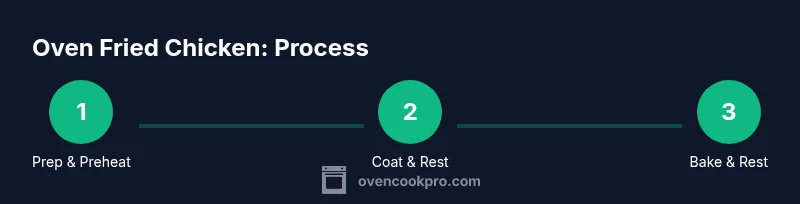
- 1
Preheat and prep chicken
Preheat the oven to 425°F (220°C) and place a rack in the middle. Pat dry the chicken pieces, trim excess fat, and lightly season with salt. This creates a dry surface for the coating and a flavor base.
Tip: Dry surface = crisper crust; don’t skip this step. - 2
Set up dipping and dredging stations
Whisk buttermilk with salt and pepper in one bowl. In a second, mix flour, cornstarch, garlic powder, paprika, and salt. In a third, combine breadcrumbs with a hint of oil and optional Parmesan.
Tip: Organize bowls in a line for smooth workflow. - 3
Coat and rest first layer
Dip each piece in buttermilk and dredge in the flour mixture, coating evenly. Place on the rack and rest for 10–15 minutes to improve adhesion.
Tip: Resting reduces coating flaking and improves crunch. - 4
Finish with crisp coating
Dip again in buttermilk and roll in the breadcrumb mixture for a double-crust effect. Keep pieces spaced to avoid sticking.
Tip: The double layer locks flavors and yields a crunchier crust. - 5
Bake and monitor
Bake on the rack, flipping halfway, until crust is deeply golden and the internal temperature reaches 165°F (74°C). If browning too fast, tent with foil.
Tip: Thermometer > time for consistency. - 6
Rest and serve
Remove from oven and let rest on a rack 5–10 minutes. This helps juices redistribute and crust set for crisper bites.
Tip: Resting is essential for texture balance. - 7
Optional variations
Try gluten-free flours, different herbs, or spices to tailor to your palate while maintaining the process for best results.
Tip: Small tweaks, big flavor shifts.
Questions & Answers
Can I use bone-in chicken for oven fried chicken?
Yes. Bone-in pieces stay moist and flavorful but require a longer bake and careful checking with a thermometer to reach 165°F in the thickest part.
Yes—bone-in works well; just cook a bit longer and check the temperature.
Is buttermilk essential for the coating?
Not essential. You can use yogurt thinned with water or a dairy-free milk with a splash of lemon. The goal is tenderness and adhesion.
Not essential; you have good alternatives to achieve tenderness and sticking power.
What temperature is best to crisp the crust?
A hot oven around 425°F (220°C) is typically effective for a crisp crust without burning. Adjust if your oven runs hot or cool.
425 degrees works well; adjust if your oven runs hot or cool.
How do I reheat leftovers without drying them out?
Reheat in the oven at 375°F (190°C) for 6–8 minutes to re-crisp the crust while heating through.
Reheat in a 375-degree oven for 6–8 minutes to keep it crispy.
Can I skip breadcrumbs and use flour only?
You can, but the crust will be less crispy. A seasoned flour dredge still yields a tasty crust with less crunch.
Breadcrumbs aren’t mandatory, but they help with crispness.
What is the safe internal temperature for cooked chicken?
165°F (74°C) in the thickest part of the chicken, confirmed with a thermometer.
165 degrees is the safe target for cooked chicken.
Watch Video
Main Points
- Crack the crisp: use a rack for even browning
- Prepare three coats (wet, dry, crust) for best adhesion
- Monitor internal temp; 165°F (74°C) is safe and juicy
- Rest the crust after baking to maximize crunch
- Customize flavors with herbs, spices, and breadcrumbs