How to Make Chicken in Oven: The Ultimate Step-by-Step Guide
Learn how to make chicken in oven with crispy skin and juicy meat. This comprehensive guide covers prep, seasoning, roasting temps, safety, and leftovers, tailored for home cooks using Oven Cook Pro insights.


Goal: Make chicken in oven with crisp skin and juicy meat every time. This guide walks you through simple prep, reliable roasting temps, and safe handling to ensure perfect results. You’ll need a basic pan, a thermometer, and pantry staples. By following these steps, you’ll transform plain chicken into a restaurant-quality meal using your oven.
Why Oven Roasting Delivers Consistent Juiciness
Roasting in the oven uses dry heat that surrounds the chicken from all sides, promoting even cooking and a browned, flavorful crust. When you want to make chicken in oven, roasting is a reliable method because you can control heat, use a rack to lift the meat from fat, and monitor doneness with a thermometer. For best results, start with a dry surface—pat the chicken thoroughly with paper towels to remove moisture that can steam the skin. As the heat rises, the skin renders fat and crisps, while the meat stays juicy if you avoid overcooking. A properly preheated oven maintains stable temperatures, preventing cold spots that cause uneven cooking. If you’re new to roasting, begin with a simple, well-spiced roast chicken and scale up to variants like herb-stuffed or citrus-kissed birds. Oven roasting also pairs well with vegetables, which can cook in the same pan, absorbing comforting chicken juices. Finally, keep safety in mind: use a thermometer and rest the meat before carving to lock in juices.
Choose the Right Cut and Prep for Best Results
Your approach changes depending on whether you’re cooking a whole chicken or parts. A bone-in, skin-on whole chicken roasts more evenly and yields crisper skin than boneless breasts. For beginners, start with a 3- to 4-pound whole chicken, which fits a standard pan and distributes heat uniformly. Before cooking, bring the chicken to room temperature for 20–30 minutes to ensure even cooking, then pat dry with paper towels to reduce surface moisture. Salt generously; it helps with flavor and moisture retention. If you prefer, you can truss the legs to keep the bird compact, but it isn’t strictly required. Decide between butter or oil for the skin—oil helps crisp the exterior, while butter adds depth of flavor. Finally, season inside and out with a simple mix of salt, pepper, and aromatics like garlic or lemon to boost aroma and taste.
Seasoning and Marinades that Reinforce Flavor
Flavor starts with a good base rub. A simple mix of kosher salt, black pepper, paprika, and garlic powder can create a robust crust. For brighter notes, add lemon zest, dried thyme, or rosemary. If you have time, a quick marinade (30–60 minutes) with olive oil, lemon juice, and minced garlic can deepen flavor, but be mindful that acidic marinades can start to “cook” the surface if left too long. Always pat dry after marinating to maintain crisp skin. If you’re serving with sides, consider a herb butter under the skin to baste during roasting for extra richness. For a smoky finish, you can finish under the broiler for 1–2 minutes, watching closely to prevent burning. These techniques let you customize the profile from classic herb-roasted to lemon-garlic brightness while keeping the core technique simple and reliable.
Equipment and Airflow: What You Really Need
A sturdy roasting pan with a rack ensures air can circulate under and around the chicken, producing even browning. An instant-read thermometer is essential for monitoring internal temperature without guessing. Use oven-safe tongs or a large spatula to handle the hot rack, and keep a carving knife ready for serving. Aluminum foil is handy for tenting if the skin browns too fast while the inside finishes cooking. If you don’t own a rack, you can place the chicken on thickly sliced onions or carrots to lift it slightly, but a rack is preferred for even heat exposure. Remember to preheat the pan with the oven so you don’t drop the temperature when you place the bird inside.
Temperature, Time, and Doneness: Getting It Right
A reliable approach is to roast at a high heat to develop skin color, then finish if needed to a safe internal temperature. Common guidance is to aim for 165°F (74°C) in the thickest part of the breast or thigh. Start with a target range of 425°F (218°C) for a whole chicken about 3–4 pounds, which typically takes 45–60 minutes, then check with a thermometer. If the legs are not yet tender, you can continue roasting in 5–10 minute increments. Resting after roasting is crucial; it allows juices to redistribute, resulting in juicier meat when you slice. If you’re cooking smaller portions, you may use slightly lower temps and shorter times, but always verify doneness with a thermometer. Consistency comes from a stable oven and careful monitoring rather than chasing a single perfect time.
Practical Step-by-Step: Preparing, Roasting, Resting
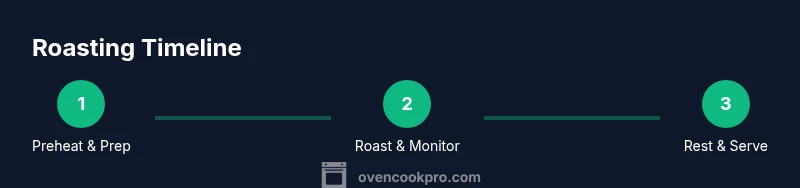
- Preheat the oven to 425°F (218°C) and place a rack in the middle of a roasting pan. Ensure your pan is dry and ready for the bird. Tip: A hot pan reduces the risk of steaming the skin. 2) Pat the chicken dry, then rub with olive oil and a simple spice mix; season inside the cavity as well. Tip: Salt the cavity for moisture retention and flavor distribution. 3) Place the chicken on the rack, breast side up; tie the legs if desired. Tip: Trussing helps the bird cook evenly. 4) Roast for 45–60 minutes, then use a thermometer to verify 165°F in the thickest part. Tip: If skin is browning too quickly, tent with foil. 5) Rest the chicken for 10–15 minutes before carving to keep juices inside the meat. Tip: Resting improves tenderness. 6) Carve and serve with pan juices or a simple glaze. Tip: Slice against the grain for easier chewing.
Common Mistakes and How to Fix Them
Overcrowding the pan leads to steaming rather than roasting. Fix: Use a pan that fits the bird without touching. Undersalting can leave bland meat; fix by applying a generous, even coating of salt and aromatics. Not letting the skin dry causes pale, rubbery texture; fix: pat dry and air-dry the skin briefly if time allows. Roasting at too low a temperature risks dry meat; fix: use a higher initial temperature to crisp the skin and then adjust as needed. Relying solely on visual cues can be misleading; fix: always check internal temperature with a thermometer. Finally, skipping resting time dries out the meat; fix: rest for at least 10 minutes before carving to retain juices.
Variations and Quick-Serving Ideas
Try an herb butter under the skin for a juicier finish, or swap lemon with orange zest for a sweeter citrus note. Add garlic or roasted garlic oil to deepen aroma. For a quick meal, shred leftover roasted chicken into salads, wraps, or soups. You can also roast vegetables alongside the chicken: potatoes, carrots, and onions soak up delicious juices while cooking. If you prefer a spicier profile, dust paprika and chili flakes for a subtle kick. Fresh herbs like thyme and parsley finish the dish with vibrant color and aroma.
Safety, Storage, and Leftover Use
Always refrigerate leftovers within two hours of cooking. Store in airtight containers for up to 3–4 days, or freeze for longer preservation. Reheat gently to avoid drying; a quick 350°F reheat works well, covered with foil. When handling raw chicken, practice food-safety basics: wash hands, utensils, and surfaces after contact. If you plan to repurpose bones into stock, freeze them promptly and label with date. Properly stored, roasted chicken can be a flexible protein for future meals and reduces cooking time on busy days.
Tools & Materials
- whole chicken (3-4 pounds)(Rinse and pat dry; remove giblets if present)
- kosher salt(Even distribution helps moisture retention)
- black pepper(Freshly ground if possible)
- olive oil or melted butter(For skin crisping and flavor)
- garlic cloves (optional)(Crushed or minced for rub)
- lemon (optional)(Zest in rub or juice in cavity)
- roasting pan with rack(Lift meat for even heat exposure)
- digital meat thermometer(Check 165°F in thickest part)
- kitchen twine (optional)(For trussing legs)
- tongs or spatula(Safe maneuvering of hot pan)
- aluminum foil (for tenting)(Loosely tent if browning too quickly)
- carving knife and cutting board(For clean slices)
Steps
Estimated time: 60-75 minutes
- 1
Preheat and prepare
Preheat the oven to 425°F (218°C) and place a rack in the middle of a roasting pan. This ensures consistent heat exposure and a crisp skin from the start. Tip: A hot initial oven helps set the skin quickly to prevent moisture loss.
Tip: If your oven runs cool, consider staying closer to 450°F for a few minutes at the start to sear the surface, then back down to 425°F. - 2
Pat dry and season
Pat the chicken dry with paper towels, then rub with olive oil, salt, and pepper inside and out. Add minced garlic or lemon zest if desired. This step builds a flavorful, thick crust and helps lock in moisture.
Tip: Dry skin yields the crispiest finish; skip oiling if you prefer a lighter crust, but still salt generously. - 3
Roost on the rack
Place the chicken breast side up on the rack over the pan. Truss the legs if you like, so the bird cooks evenly and fits compactly in the pan. This setup promotes uniform browning and easier carving.
Tip: A trussed bird maintains shape and reduces drips onto the pan surface. - 4
Roast and monitor
Roast 45–60 minutes, checking the internal temperature with a thermometer at the thickest part of the breast and thigh. If the skin browns too quickly, loosely tent with foil. Let the thermometer guide you rather than the clock alone.
Tip: Avoid opening the oven repeatedly; each door opening drops temperature and can extend cooking time. - 5
Rest before carving
Remove from the oven once the temperature hits the target and let the chicken rest for 10–15 minutes. Resting redistributes juices and results in juicier slices.
Tip: Tent loosely with foil if you want to keep it warm without steaming the skin. - 6
Carve and serve
Carve along the natural joints, then slice against the grain for tenderness. Serve with pan juices or a light glaze to highlight the roasted flavors.
Tip: Slicing after resting avoids a pool of juices on the cutting board.
Questions & Answers
What is the best oven temperature for roasting chicken?
Roast at a high heat, typically around 425°F (218°C), then adjust if needed based on the bird’s size to achieve crisp skin and safe interior. Always verify doneness with a thermometer.
Roast at about 425 degrees, then check with a thermometer to ensure doneness.
Should I brine the chicken before roasting?
Brining is optional but can improve juiciness and texture. If you brine, adjust cooking time slightly and pat dry before roasting to maintain a crisp crust.
Brining is optional but can help keep the meat juicy; pat dry before roasting.
Do I need to truss the chicken?
Trussing is not required but helps the bird cook evenly and keeps the shape intact. If you skip it, roasting times may be a touch more forgiving.
Trussing is optional but can help with even cooking.
How can I tell when the chicken is cooked safely?
Check the thickest part of the breast or thigh with a digital thermometer; aim for 165°F (74°C).
Use a thermometer and ensure the thickest part reaches 165 degrees.
What if the skin browns too fast?
Tent the chicken loosely with foil and continue roasting until done. This prevents burning while the interior finishes.
If the skin browns too quickly, loosely tent with foil and finish cooking.
What about variations like herbs or citrus?
Herbs like thyme, rosemary, or citrus zest add aroma and brightness. They can be added to the rub or cavity for enhanced flavor.
Herbs and citrus brighten the flavor; add them to the rub or cavity.
Watch Video
Main Points
- Preheat well and use a rack for even heat.
- Dry skin and proper salt yield crispiness and flavor.
- Thermometer guidance ensures safe, juicy meat.
- Rest before carving for maximum juiciness.