Can You Oven Cook Steak? A Step-by-Step Guide
Learn how to oven cook steak for a crusty exterior and juicy center. This expert guide from Oven Cook Pro covers temps, timing, and proven step-by-step methods.


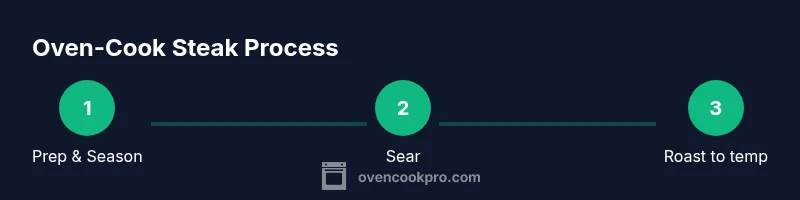
Yes. You can oven-cook steak using a two-stage approach: sear briefly on the stovetop to develop color, then finish in a hot oven to reach your desired doneness. For best results, trim excess fat, pat dry, season, and use a meat thermometer to hit your target internal temperature. This method produces a crust and an evenly cooked center.
What you need to know about oven-cooking steak
If you're wondering can you oven cook steak, the short answer is yes, and with the right technique you can achieve a crusty exterior and a warm, juicy center. This method is flexible for weeknight meals or weekend dinners, especially when you don't want to rely on a grill. For best results, start with a well-marbled cut (like ribeye or sirloin), pat dry, and season generously. The oven's even heat helps cook the steak uniformly, while a hot skillet used at the start develops the crust. Oven-cooked steak also pairs well with simple sides such as garlic-roasted potatoes and steamed vegetables. According to Oven Cook Pro, precision matters more than guesswork here; use a thermometer and avoid overcooking. The approach described below emphasizes safety and repeatable results while staying approachable for home cooks of all levels.
Reverse-sear in the oven: the two-stage method
The reverse-sear method starts with a brief, high-heat finish in the oven after a quick sear. This yields a crusty exterior and an evenly cooked interior. Begin by preparing a steak 1 to 1.5 inches thick; room temperature helps ensure even cooking. Pat dry, season generously, and let the meat rest for 15 minutes to promote even browning. Heat a heavy skillet with a thin layer of high-smoke-point oil until shimmering, then sear one side 1.5 minutes until a deep brown crust forms. Flip and sear the other side for 1–2 minutes. Transfer the skillet to a preheated oven (around 425-450°F) and roast until the internal temperature approaches your target. Remove, rest briefly, and finish with a quick pat of butter if desired. This method minimizes gray bands and produces a more consistent result across thicker cuts.
Oven-only finish: bypass the stovetop heat
If you prefer to skip the stovetop sear, you can finish entirely in the oven. Start by preheating to a high temperature and placing the seasoned steak on a rack above a sheet pan. After a brief initial bake (about 6-8 minutes for 1-inch thickness), flip and continue until the thermometer hits the target. Because you don’t get a crust without the sear, consider finishing under the broiler for 1–2 minutes per side to develop color. Watch closely to avoid overshoot and ensure the center remains juicy.
Doneness targets and how to hit them
The safe minimum for beef steaks is 145°F with a three-minute rest, according to USDA guidance. Many home cooks aim for 125-130°F for rare, 130-135°F for medium-rare, and 135-145°F for medium; you can use the thermometer to guide you. The most reliable approach is to remove the steak when it reads just below the target by 3–5 degrees, as carryover cooking will bring it up during resting. After heat removal, let the steak rest on a cutting board for 5–10 minutes to redistribute juices and finish cooking gently. USDA safety standards support these targets when combined with proper rest.
Searing for crust: timing and technique
Searing is the step that creates the crust and locks in flavor. Use a well-seasoned cast-iron skillet, preheated until just smoking. Pat the steak dry again, apply a light coat of oil, and season with salt and pepper. Sear undisturbed for 1.5–2 minutes, then flip and sear the opposite side for 1–2 minutes. If you want extra flavor, add a couple of smashed garlic cloves or a pat of butter during the last minute of searing. The goal is a deep bronze crust with minimal moisture on the surface so the Maillard reaction can flourish.
Resting and slicing: why rest matters
Resting allows juices to redistribute and the internal temperature to settle, ensuring a juicy bite. After cooking, transfer the steak to a plate and tent loosely with foil for 5–10 minutes. Resting also helps the meat finish carrying flavor evenly. When you’re ready to slice, cut against the grain in thin, uniform slices to maximize tenderness. Skipping this step often results in a mouthful of juices that gushes out on the first cut.
Sides that work well with oven-cooked steak
Keep sides simple to let the steak shine. Garlic-roasted potatoes, sautéed mushrooms, and blanched asparagus are classic companions. A light salad with a bright vinaigrette can balance richness, while a dollop of herb butter on top adds aromatic depth. For sauces, a quick pan sauce made from the steak juices, a splash of wine, and a pat of cold butter elevates the dish without masking the beef's natural flavors.
Quick troubleshooting: common problems and fixes
If the crust is pale, ensure your pan was hot enough and the steak was dry before searing. Moisture on the surface will steam rather than brown. If the center finishes before the crust, reduce oven temperature by 25°F and lengthen the roast time, or perform a longer sear on the stovetop before oven finishing. If the meat ends up overcooked, switch to a shorter sear and monitor temperature more closely with an instant-read thermometer. For best results, keep the surface dry, preheat adequately, and rest properly.
Tools & Materials
- Cast-iron skillet (12-inch preferred)(Even heat distribution and good crust)
- Oven-safe meat thermometer (probe)(Instant-read or leave-in with alarm)
- Tongs(Grip without piercing meat)
- Paper towels(Dry surface thoroughly)
- Kosher or sea salt(Season generously)
- Freshly ground black pepper(Season to taste)
- High-smoke-point oil (canola, grapeseed)(Oil for searing)
- Butter (optional)(Finishing touch)
- Garlic cloves (optional)(Flavor boost)
- Herbs (thyme/rosemary) (optional)(Aromatic finish)
- Aluminum foil (for resting, optional)(Tent steak during rest)
Steps
Estimated time: 25-40 minutes
- 1
Prepare and season the steak
Pat the steak dry with paper towels and season generously on all sides. Let it sit at room temperature for 20-30 minutes to promote even cooking. This step reduces the chill factor that slows browning and helps you hit your target finish.
Tip: Salt in advance for deeper flavor; overnight is optional but not required. - 2
Preheat pan and oven
Heat your cast-iron skillet over medium-high until it just begins to smoke. Preheat the oven to 425-450°F so you can move quickly from sear to roast once the crust forms. A hot surface is essential for a good crust.
Tip: Use a thin film of high-smoke-point oil and wipe away excess moisture first. - 3
Sear the first side
Place the steak in the hot skillet and sear undisturbed 1.5–2 minutes until a deep bronze crust forms. Resist the urge to move the meat; movement reduces crust formation and can tear the surface.
Tip: If the steak sticks, give it another 15–30 seconds and then try again. - 4
Flip and sear the other side
Turn the steak and sear the opposite side for 1–2 minutes. A quick, even sear helps build uniform flavor. If you’re adding butter or garlic, add them now and baste the top with melted butter.
Tip: For extra flavor, tilt the pan slightly and baste with a spoonful of the melted butter. - 5
Finish in the oven to target temp
Transfer the skillet to the hot oven and roast until the thermometer reads close to your desired doneness (remove 3-5 degrees early to account for carryover). This stage finishes the steak gently without overcooking the exterior.
Tip: Keep a close eye on the thermometer; 6-8 minutes is typical for 1-inch thickness, longer for thicker cuts. - 6
Rest and slice
Remove the steak from heat and rest on a cutting board for 5-10 minutes, tented loosely with foil. Slice against the grain for tenderness and distribute juices evenly with a final light brush of pan juices if desired.
Tip: Resting is essential; skip it and you risk a tougher bite.
Questions & Answers
Can I oven cook steak from frozen?
Cooking from frozen is not ideal; thawing in the refrigerator or under cold water ensures even cooking and better crust formation. If you must cook from frozen, expect longer cook times and monitoring for doneness.
Cooking from frozen is not ideal; thaw first for even cooking and crust.
What is the best internal temperature for medium-rare?
Target 130-135°F before resting; carryover cooking will bring it to about 135-140°F. The USDA safe minimum for beef is 145°F with rest, so adjust based on your preference while ensuring safety.
Aim for about 130-135°F before resting for medium-rare, then rest to finish.
Should I rest the steak after cooking?
Yes. Rest for 5-10 minutes to allow juices to redistribute and finish cooking gently. Resting is essential for tenderness.
Yes, rest 5-10 minutes for best results.
Can I skip searing and still get color?
Color is reduced without a sear. You can finish under the broiler for a browned crust or use a high-heat oven finish, but expect less surface browning.
Skip sear and you may miss crust; you can finish under the broiler.
What thickness works best for the oven method?
1 to 1.5 inches works well; thicker cuts require longer cooking and careful temperature control to avoid overcooking the exterior.
1 to 1.5 inches is typical for oven cooking.
What sides pair well with oven-cooked steak?
Garlic-roasted potatoes, sautéed mushrooms, and asparagus pair nicely. A simple salad and a light vinaigrette balance richness and add freshness.
Great sides include garlic potatoes and sautéed mushrooms.
Watch Video
Main Points
- Preheat pan and oven for consistent heat
- Sear to develop crust, then finish in the oven
- Monitor internal temperature with a thermometer
- Rest before slicing to maximize juiciness