What to Do If Oven Cleaner Gets on Skin
Learn how to respond safely when oven cleaner contacts skin. Immediate rinsing, washing, and protective steps reduce irritation and burns. Includes eye exposure guidance, medical help, and prevention tips.


Goal: Safely respond to oven cleaner contact with skin by stopping exposure, flushing with running water, and washing with mild soap. Gather gloves, clean water, mild dish soap, a clean towel, and optional moisturizer. This quick guide also covers eye exposure and when to seek medical help. Knowing these steps helps you minimize irritation and potential burns.
Why oven cleaners can harm skin
Oven cleaners are caustic chemical formulations designed to break down baked-on grease. They commonly contain alkaline agents such as sodium hydroxide or potassium hydroxide, along with solvents and odorants. When they touch skin, these ingredients can strip protective oils, raise skin pH, and cause irritation, or even chemical burns. Even brief contact can leave a sting, and symptoms may appear hours after exposure. If you've ever wondered what to do if oven cleaner gets on skin, this guide walks you through a safe, step-by-step response. According to Oven Cook Pro, rapid, decisive action minimizes tissue damage and speeds recovery. This article uses practical kitchen-based guidance to help homeowners and home cooks handle the situation calmly and effectively.
Immediate actions you should take the moment you realize exposure
Time is critical when chemical cleaners contact skin. Start by removing yourself from the spill area to prevent additional exposure for you and others. Don’t delay to rinse—begin the next step as soon as you can. If possible, have a second person help by collecting materials and watching for signs that require medical advice. Our guidance aligns with Oven Cook Pro’s safety ethos: act quickly, stay calm, and follow a clear sequence to protect the skin and eyes from caustic burns.
How to rinse safely: use running water for thorough cleansing
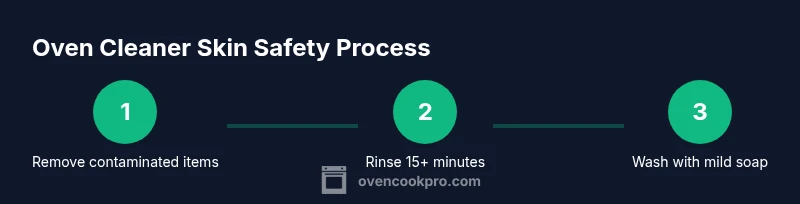
Rinse the affected area with cool to lukewarm running water for at least 15 minutes. Do not use hot water, which can worsen irritation. Keep the skin under the stream, gently moving it to remove residue without scrubbing. If available, use a gentle stream to avoid further abrasion of damaged skin. Document symptoms and time since exposure, as this information helps when seeking medical advice. According to Oven Cook Pro analysis, prolonged rinsing substantially reduces the risk of deeper tissue injury after caustic exposure.
Washing with mild soap: remove residues without irritants
After rinsing, wash the area with a mild, fragrance-free dish soap for 1–2 minutes to help remove any remaining chemical residues. Rinse again under clean running water. Avoid abrasive scrubs, scented soaps, or harsh detergents that can aggravate irritated skin. Pat the skin dry with a clean towel rather than rubbing, which can worsen microabrasions. This step complements the rinsing by ensuring soap-based cleansing that is gentle on sensitive skin.
Drying and skin care after exposure: protect and restore the barrier
Gently pat skin dry and apply a fragrance-free moisturizer or barrier cream to help restore the natural protective layer. Do not apply petroleum jelly if you’re unsure about residue compatibility; opt for a non-scented, hypoallergenic product. If the skin shows signs of ongoing redness, tightness, or pain, monitor closely and consider a medical consultation. Keeping the area moisturized supports healing and reduces the risk of cracking, which can invite infection.
Eye exposure or contact with other areas: extra steps needed
If the cleaner gets into the eyes, flush with clean running water for at least 15 minutes and seek immediate medical attention. Do not rub the eyes, which can spread the chemical. If skin exposure occurred near the eyes, ensure the eye area is thoroughly rinsed and monitored for irritation. Inhalation of fumes should be addressed by moving to fresh air and seeking medical advice if symptoms persist. These cautions align with standard first aid for chemical exposures in kitchen environments.
When to seek medical help: red flags to watch for
Seek professional medical advice if you experience increased pain, blistering, swelling, fever, or signs of a chemical burn extending beyond the initial contact site. If irritation persists beyond 24–48 hours, or if you have a history of skin conditions, consult a clinician promptly. For severe reactions or if large areas are involved, call your local poison control center or emergency services. Early medical assessment can prevent complications and guide appropriate wound care.
AUTHORITY SOURCES
This guide references established safety resources and emphasizes evidence-based first aid for caustic cleaners. For more in-depth information on chemical exposures and first aid, refer to official guidance from public health and safety organizations.
Tools & Materials
- Chemical-resistant gloves(Nitrile gloves, 5–9 mil thickness; choose size that gives full hand coverage)
- Protective eyewear(Goggles or safety glasses with side shields)
- Running water source(Access to a faucet or basin for a continuous rinse)
- Mild dish soap(Fragrance-free, gentle formula; avoid strong cleaners)
- Clean towels or absorbent cloth(100% cotton or microfiber; for gentle drying)
- Plastic bag or sealable container(For placing contaminated clothing and items)
- Barrier cream or fragrance-free moisturizer(Optional aftercare to support skin barrier)
- First aid information or poison control contact(Keep numbers handy for emergencies)
Steps
Estimated time: 25-40 minutes
- 1
Remove contaminated clothing and jewelry
As soon as exposure is noticed, remove any clothing or jewelry that contacted the cleaner to stop ongoing exposure. If items are stuck, cut around them rather than pulling on skin to avoid tearing or extending contact. Place contaminated items in a sealable bag to prevent spread.
Tip: If clothing is heavily soiled, seal it in a bag before disposal and use a fresh gown or apron when continuing cleanup. - 2
Rinse with running water (min 15 minutes)
Begin flushing the affected skin under a steady stream of cool to lukewarm water for at least 15 minutes. Keep the skin under water and move it gently to remove residues. Do not use hot water or scrub aggressively.
Tip: If you can’t run water continuously, alternate between rinsing and gentle wiping with clean water until the 15-minute mark is reached. - 3
Wash with mild soap
After rinsing, wash the area with a mild, fragrance-free dish soap for 1–2 minutes to remove any remaining chemical traces. Rinse thoroughly again with clean water. Avoid abrasive scrubbing and scented products.
Tip: Use a soft washcloth to aid cleansing without irritating the skin. - 4
Dry and apply moisturizer
Gently pat the skin dry with a clean towel and apply a fragrance-free moisturizer to support the skin barrier. Avoid applying any irritant creams or perfumes on freshly exposed skin. If irritation persists, seek medical advice.
Tip: Apply moisturizer within 3–5 minutes after drying to lock in moisture. - 5
Monitor for symptoms
Watch the exposed area for redness, swelling, blistering, or increasing pain over the next 24–48 hours. If symptoms worsen or fail to improve, contact a healthcare professional. Keep notes of time of exposure and actions taken to share with a clinician.
Tip: Taking a photo of the affected area can help document progression. - 6
Eye exposure or inhalation
If the cleaner contacts the eyes, flush with running water for at least 15 minutes and seek urgent medical care. If fumes were inhaled or you feel lightheaded, move to fresh air and consult a clinician promptly.
Tip: Never rub eyes; contact medical professionals if irritation persists.
Questions & Answers
Is baking soda a reliable neutralizer for oven cleaner?
No reliable neutralizer exists for all oven cleaners. Thorough rinsing with water and mild soap is safer. If irritation occurs, seek medical advice.
There is no universal neutralizer. Rinse and wash, then seek medical help if irritated.
Can I just wash with water or do I need soap too?
Water alone may not remove all chemical residues. Use mild dish soap after rinsing to help remove residue, then rinse again.
Water plus mild soap is recommended after rinsing.
What if I have sensitive skin or eczema?
Sensitivity increases risk of irritation. Use fragrance-free products, rinse thoroughly, and seek medical advice if irritation persists.
People with sensitive skin should be extra cautious and consult a clinician if irritation occurs.
When should I see a doctor after exposure?
Seek medical care if there is blistering, severe redness, swelling, or pain that doesn’t improve within 24–48 hours.
See a doctor if symptoms worsen or linger beyond a day or two.
Should I throw away contaminated clothing?
Yes, seal contaminated clothing in a plastic bag before washing or disposing. Do not wear it again until cleaned or discarded.
Seal and properly dispose of contaminated clothing until it’s deemed safe.
Is it safe to reuse the oven after exposure?
If residues remain on skin or surfaces, clean thoroughly with soap and water and ensure no chemical smell remains before using again.
Make sure all residues are removed and the area is clean before the oven is used again.
Watch Video
Main Points
- Flush immediately after contact
- Rinse with running water for at least 15 minutes
- Wash with mild soap and dry gently
- Monitor for symptoms and seek medical help if needed