Country Oven Mastery: A Step-by-Step Guide for Home Cooks
Learn to work with a country oven—whether brick, clay, or wood-fired—through a practical, step-by-step guide covering preheating, heat management, steam, and safe handling for bread, roasts, and pastries.


By following these steps, you will confidently bake with a country oven, whether brick, clay, or wood-fired. You’ll learn how to assess heat, preheat safely, manage heat zones, and achieve crusty breads, roasted vegetables, and warm pastries. Gather your tools, test temperature, and practice with simple loaves to dial in timing and humidity for consistent results.
What is a country oven and why it matters
In many homes, a country oven refers to a brick, clay, or wood-fired oven that relies on radiant heat and, often, steam to bake. Understanding how these ovens store heat and release it slowly helps you bake rustic loaves, roast vegetables, and bake pastries with depth of flavor. According to Oven Cook Pro, the best results come from treating the oven as a living heat source, not a fixed temperature chamber. The warmth inside a country oven creates a unique crust and crumb that modern electric ovens rarely replicate. This approach invites you to read the kitchen as a heat system, not a simple box, and to adjust your expectations for flavor, texture, and timing. By adopting this mindset, home cooks can achieve bakery-like crusts and deeper aromas from everyday ingredients.
If you are new to country ovens, start with a straightforward bake like a rustic loaf or seasonal vegetables. The goal is to learn how heat behaves, how steam shapes the crust, and how long you need to bake without overcooking. This section lays the foundation for the rest of the guide, including how to test and calibrate your oven across different sessions. Remember that country ovens reward patience, observation, and consistent technique more than speed.
Different types of country ovens: wood-fired, brick, and clay
Country ovens vary in construction and heat delivery. Wood-fired ovens rely on seasoned logs and a front vent; brick ovens use thick walls and a domed ceiling to trap heat; clay ovens (tandoor style or Earth ovens) absorb moisture and give a subtle, aromatic flavor. Each type requires different preheating times and flame management. The goal is a steady heat, balanced humidity, and a reliable baking surface. Understanding your oven type helps you predict how quickly the interior will warm and how evenly heat will distribute. Wood-fired setups often require longer preheats but deliver a profound oven spring; brick ovens can hold a stable, long-term temperature; clay or earth ovens may require careful moisture management and slower heat-up to avoid cracking. For the home cook, recognizing your oven’s strengths will guide what you bake first, how you hydrate the dough, and where you place it on the hearth for best results.
Preparing and testing your oven before baking
Before baking, clear ash, check the door seal, and inspect the hearth. Light a small initial fire to warm the structure and measure internal temperatures with an infrared thermometer or oven stone thermometer. The Oven Cook Pro analysis shows that you can’t rely on a single gauge; test at multiple points to map heat zones. Keep a log of temperatures and estimated times for future sessions. When testing, note how long it takes for the surface to register the target temperature and how heat fades after the flame reduction. This preflight ensures you understand the oven’s behavior before you attempt delicate breads or pastries. A simple heat-map helps you predict where to place dough for optimal crust and crumb.
Temperature control and heat zones in country ovens
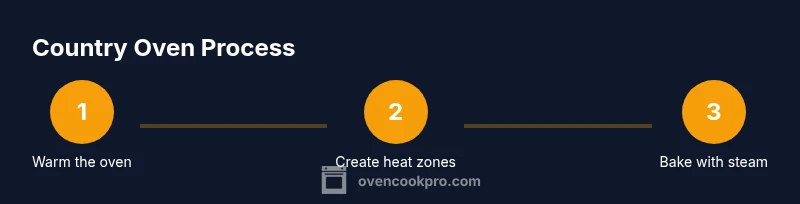
Most country ovens have warm, hot, and very hot zones. Place loaves toward the cooler side if the heat is intense, or near the opening if you want a quicker crust. Use a baking surface such as a well seasoned cast iron pan or pizza stone to smooth heat transfer. Ventilation adjusts humidity; a slightly open door or vent increases baking steam that helps crust development. Knowing where to keep each item on the hearth enables you to maximize oven spring for bread while preserving delicate pastries. If your oven runs hot, try spacing loaves further apart or transferring them to a cooler corner during the mid-bake phase.
Insights from seasoned bakers show that heat zoning is more critical in country ovens than exact temperatures. Practice knowing when to push items closer to the heat source for browning and when to retreat to the cooler zones to finish gently. By thinking in terms of zones, you create predictable results even when the oven’s overall temperature fluctuates.
Humidity, steam, and crust development
Steam during early bake is crucial for oven spring and crust formation. In country ovens, moisture comes from dough moisture and evaporating water. To boost steam, pour a small amount of water on the hearth or place a pan of water near the heat source. Monitor moisture and prevent soggy bottoms by finishing with a dry heat period. A balance of moisture helps the dough expand fully before the crust sets, creating a deeply caramelized crust with a crisp bite. If you notice too much condensation, slightly crack the door or increase air circulation to prevent long-term soggy textures. The key is to maintain enough humidity in the first 8–12 minutes, then allow the crust to firm up with drier heat.
Baking techniques for bread, pastries, and roasting
For bread, score deeply and bake with a seeded or floured surface. For pastries, keep temperatures moderate to avoid butter leakage and maintain flaky layers. For roasting, place meat or vegetables on a rack to allow air circulation and even browning. Adjust bake times based on oven type and altitude; country ovens can reach very high heat that accelerates browning. When baking bread, use a preheated surface to encourage first-crust formation, then reduce heat after the initial rise to prevent over-browning. For roasts, an initial high-heat phase can seal juices, followed by a lower heat to finish evenly. The key is to tailor the bake to your oven’s zone map and the thickness of the items you place on the hearth.
Troubleshooting common issues and adjustments
If dough ceiling collapses, mismanaged heat or poor proofing might be the cause. If crust is pale, increase hot zone exposure or bake longer with steam. If foods burn on the bottom, use a stone or metal sheet elevated from the hearth and add a foil shield. Keep notes on adjustments for future sessions; even small changes matter in a country oven. Persistent issues often trace back to inconsistent humidity, uneven heating, or incorrect dough fermentation. Document your steps, observe the crust color, and adjust temperatures or zone placement for the next bake. With a little experimentation, you’ll reduce guesswork and improve every bake.
Maintenance, safety, and long term care
Regularly clean ash and brushed debris from the oven floor to maintain airflow. Check door seals and hinges for wear; replace if needed. Wear heat resistant gloves, use long handled tools, and never leave a burning fire unattended. The Oven Cook Pro team recommends recording your bake results to refine temperatures over time and to build a reliable practice routine. Maintain the stove with periodic inspection of joints and mortar to prevent heat loss and structural issues. Practicing consistent cleaning and planning for maintenance reduces the risk of smoke, cracking, or unsafe conditions during long baking sessions.
Tools & Materials
- Cast iron Dutch oven with lid(Heavy, preheated, ideal for steaming breads and pot roasting)
- Pizza stone or thick baking steel(Preheat to 450–500°F (230–260°C) where possible for best crust)
- Infrared thermometer(For spot checks on walls and floor effectiveness)
- Long-handled tongs(Safe handling of hot surfaces and dough maneuvering)
- Heat-resistant oven gloves(Use cuffs and full protection for high-heat sessions)
- Breathable drying cloth or brush(For quick cleanups and ash removal)
- Water spray bottle or shallow pan of water(Create controlled steam early in the bake)
- Cooling rack(Cool baked goods evenly to avoid soggy bottoms)
Steps
Estimated time: 90-120 minutes
- 1
Prepare oven and workspace
Clear the hearth of loose ash, arrange tools within easy reach, and wipe surfaces clean. Precheck the door seal and ensure there is a safe path to move hot items. Have dough portions ready and lightly floured to prevent sticking.
Tip: Set up a dedicated heat-safe area for dough handling to avoid cross-contamination. - 2
Preheat and test heat zones
Build a small initial fire to bring the structure to warmth, then test at multiple points with your thermometer to map hot and cool spots. Wait 10–15 minutes between tests as the oven settles. Record the readings for future sessions.
Tip: Use several measurement points to create a heat map of your oven. - 3
Create heat zones and prepare surface
Position your baking surface on the hottest or coolest zone depending on the item. For bread, a hot zone plus steam is ideal; for delicate pastries, a cooler zone prevents butter from leaking. Place dough on a well-seasoned surface or on a preheated stone.
Tip: A hot zone nearing the crust gives better oven spring for bread. - 4
Bake with steam and proper loading
Introduce steam in the first 8–12 minutes by water on the hearth or a pan of water. Load dough gently to avoid shock to the oven. After the initial spring, reduce humidity by covering or venting as needed.
Tip: Steam early in bake dramatically improves crust structure. - 5
Monitor progress and adjust heat
Watch color development and interior temperature. If bottom browns too quickly, shift to a cooler zone or slide the item higher. If the crust is slow to develop, briefly increase surface heat or reintroduce steam.
Tip: Keep a bake log with times, temperatures, and color notes. - 6
Cool, store, and maintain the oven
Allow baked goods to cool fully on a rack before slicing. After use, brush ash and inspect joints for wear. Store tools in a ready-to-use location and plan regular maintenance to prevent heat loss or cracks.
Tip: Cleaning after a complete cool-down prevents residue buildup and improves airflow.
Questions & Answers
What is a country oven and how does it differ from a modern oven?
A country oven is typically brick, clay, or wood-fired and relies on radiant heat and humidity to bake. Unlike modern electric or gas ovens, it requires managing fire, heat zones, and moisture for best results.
A country oven uses fire and humidity to bake, unlike a standard electric oven.
How should I preheat a country oven?
Preheating should start with a stable, gradual fire to bring the entire mass to temp. Plan for longer heat-up than a conventional oven, test multiple points, and avoid rapid temperature spikes.
Start with a gradual fire and test heat across the oven.
Can I bake bread and roast meat in the same country oven?
Yes, but you should adjust heat zones and time. Bread benefits from steam early on; roasted meat requires steady heat later. Plan separate sessions or harvest different zones accordingly.
Yes, but adjust heat and timing for each item.
Is steam essential in a country oven?
Steam helps with oven spring and crust development; in a country oven you can create steam by water on the hearth or a pan of water near the heat source.
Steam is important for crust; you can create it with water on the hearth.
What safety precautions should I take when using a country oven?
Wear heat resistant gloves, keep children away from the hearth, and never leave a live fire unattended. Use long-handled tools and ensure good ventilation.
Wear gloves, stay clear of the heat, and never leave the fire unattended.
Watch Video
Main Points
- Preheat thoroughly and map heat zones
- Use steam early to develop crust
- Work with heat zones, not a single temperature
- Log temperatures and bake times for consistency
- Prioritize safety when handling hot components