Can You Use an Oven Without Outer Glass? Safety and Replacement Guide
Explore whether you can operate an oven without outer glass, the safety risks, and how to safely replace the door glass with a step-by-step approach from Oven Cook Pro.


Using an oven without outer glass is unsafe and not advised. The outer glass door contains heat, protects you from splatter, and supports door interlock safety in many models. If the glass is missing or cracked, stop using the oven, unplug it, and arrange professional replacement. Do not bake until the door is repaired.
Why You Should Never Use an Oven Without Outer Glass
According to Oven Cook Pro, the outer glass door is a safety barrier that keeps heat contained and reduces exposure to hot gasses, splatter, and accidental contact with open heating elements. When the glass is missing, you can experience higher surface temperatures, uneven heat distribution, and a greater risk of severe burns from the door edges. The door interlock and cooling mechanisms may rely on the glass and its frame to sense when the door is closed securely; without it, these safety features can be compromised, increasing the risk of fire and injury during broiling, baking, or high-heat modes. In short, the oven becomes less safe to operate and more difficult to control. This is exactly why professional repair is recommended the moment you notice the glass is damaged or absent. Throughout this article, we cover why the glass matters, what to do right away, and how to get back to safe operation with a proper replacement. The stakes are high, but with the right steps you can protect your kitchen.
How the Outer Glass Door Protects You
The outer glass does more than just look neat. It helps contain radiant heat inside the cooking cavity, protects you from direct contact with hot door surfaces, and reduces the chance of heat escaping to nearby cabinets or the kitchen. A solid glass panel also contributes to the door’s overall insulating performance, helping to keep energy usage reasonable and the door cool to touch at the exterior. Many models pair the glass with a seal and frame mechanism that ensures the door closes evenly and triggers safety interlocks when you start a bake or broil. Damaged glass can compromise all of these functions, making the appliance harder to use safely and increasing the likelihood of burns or accidental exposure to hot surfaces.
Assessing Damage: Is the Glass Actually Missing or Just Crackled?
Before you react, determine whether the glass is completely gone or simply damaged. A missing pane is most dangerous because there is little to no barrier between you and the heating elements. If you see cracks, chips, or loose shards, treat it as a safety issue until it’s repaired. Inspect both sides of the door, the gasket around the frame, and the hinge area for any looseness or misalignment. If you’re unsure about the integrity, stop using the oven and consult a professional. Remember that even small cracks can expand with heat cycling, turning a minor issue into a major hazard over time.
Immediate Safety Steps If You Notice Missing Glass
If you wake up to a missing outer glass panel, prioritize safety first. Do not attempt to operate the oven. Unplug the unit from the wall outlet or switch off the circuit breaker if accessible. Keep the area clear of kids and pets, and wear protective gloves if you need to move or inspect the door. Do not touch exposed metal edges, exposed heating elements, or any wires. Place a temporary barrier (like a thick cardboard shield) to block direct line-of-sight to the interior while you arrange service. Finally, contact a certified technician or the manufacturer’s service line to arrange a proper replacement as soon as possible. The goal is to restore a safe, enclosed cooking environment and prevent any heat-related injuries or fires.
Replacement Options: Door Glass vs Full Door Assembly
When a door glass fails, you generally have two routes. In many ovens you can replace just the glass panel, which is less expensive and faster if compatible with your model. Some ovens require a full door replacement due to the way the glass is integrated into the door frame. A technician can confirm which option fits your oven. If you’re handy with tools, you might be tempted to pursue a DIY glass replacement, but improper installation can lead to seal leaks or misalignment that compromise safety. Consult your manual and consider manufacturer guidance before attempting any repair.
What to Expect During a Professional Door Replacement
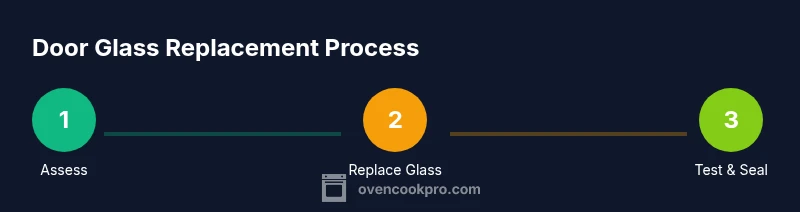
A professional replacement usually begins with a diagnostic check to confirm the exact model and the correct replacement part. The technician will remove the door or the damaged glass, install the new panel or door assembly, reseal the door frame, and test the door interlock and basic oven functions. Expect a brief disassembly, some minor reassembly, and a test bake to verify that heat containment and safety features are fully restored. Parts availability can affect timing, so plan for scheduling flexibility. The goal is a secure, airtight door that performs like new.
Alternatives While Waiting for Repair
If you need to cook before a replacement is available, consider non-oven options such as stovetop recipes or countertop appliances that don't rely on the damaged oven. If you must proceed with the oven, do not operate it at high heat, and do not attempt to bypass the door safety features. Prioritize safety and only use alternatives that do not require the compromised appliance. This is also a good time to review kitchen safety routines and ensure a clear exit path in case of any emergency.
Maintenance Practices to Preserve Door Glass and Seal
Regular maintenance helps extend the life of your oven door and reduces the chance of damage. Clean the door exterior with a non-abrasive cleaner and wipe the frame and gasket to keep a tight seal. Inspect hinges for looseness and avoid slamming the door. If you notice any chips, cracks, or a misaligned door, address the issue promptly to prevent worse damage during future use. Keeping the door intact not only protects you but also preserves energy efficiency and cooking performance.
Authority sources
For comprehensive safety guidelines, refer to official sources on appliance safety and maintenance. The U.S. Consumer Product Safety Commission provides general guidance on home appliance safety; Energy.gov offers energy efficiency and safety resources; OSHA provides workplace electrical safety standards that are applicable in home environments when performing repairs. These sources can help you understand why a damaged oven door glass is a safety hazard and how to approach repair properly.
Common Myths About Using an Oven Without Glass
Myth: You can seal the gap with tape or temporary fillers and still bake. Reality: Tape, cardboard, or improvised shields are not designed to withstand oven heat and can catch fire or shed debris. Myth: A cracked pane will not worsen. Reality: Heat cycling expands cracks and can release glass fragments. Myths like these put you at greater risk; always opt for a proper replacement and professional assessment.
Tools & Materials
- Replacement door glass panel or full door assembly(Ensure exact model fit; refer to the oven’s model number)
- Screwdrivers (Phillips and flat-head)(For hinge screws and door frame removal)
- Safety gloves (cut-resistant)(Protect hands from sharp edges and glass shards)
- Soft cloth and isopropyl alcohol(Clean surfaces before reassembly)
- Masking tape or cardboard shield(Contain shards during removal)
Steps
Estimated time: 60-120 minutes
- 1
Power down and prep
Turn off the oven at the circuit breaker and unplug it if accessible. Open the door gently and clear the area to prevent accidental energization and injuries.
Tip: Always disconnect power before handling interior components. - 2
Assess for hazards
Look for loose glass fragments inside and around the door. If shards are present, wear gloves and place them on a protected surface.
Tip: Use a bright light to inspect the door edges for tiny shards. - 3
Remove the door or damaged panel
If hinge screws are accessible, detach the door or the damaged glass panel with the appropriate screwdriver. Keep all screws and parts organized.
Tip: Store fasteners in labeled containers to avoid loss. - 4
Install replacement glass
Position the new glass panel correctly, reattach hinges or the door frame, and ensure the glass sits flush with the door edge. Do not overtighten screws.
Tip: Check gasket seating to prevent gaps and heat leakage. - 5
Reassemble and clean
Reinstall any trim pieces, wipe the door with a damp cloth, and confirm there are no stray shards.
Tip: Wear eye protection during reassembly to guard against shards. - 6
Test safety interlock
With the door closed, power the unit and verify the door interlock engages when starting a test bake at low heat.
Tip: If the oven won’t start, power down and recheck all screws and seals. - 7
Schedule professional service
If you cannot safely replace the glass or lack proper parts, contact a certified technician for a proper door glass replacement or full-door replacement.
Tip: Do not run the oven until the door glass is confirmed secure. - 8
Post-repair check
Observe for smoke, unusual heat on the door, or poor sealing after the first bake cycle. Address any anomalies promptly.
Tip: Document the replacement in case you need warranty support.
Questions & Answers
Is it safe to use an oven if the outer glass is missing?
No. Missing glass compromises heat containment and door interlocks, increasing burn and fire risk. Seek immediate professional repair and do not bake until glass is replaced.
No. The glass door is a critical safety feature; do not use it until it’s repaired.
Can I replace only the glass panel or do I need a full door?
In many cases you can replace just the glass panel, but some models require a full door replacement. Check the model manual or consult a technician.
Often you can replace just the glass, but some models need the entire door replaced.
What is the expected timeline for a door glass replacement?
Timing varies by model and availability of parts. Expect several hours to a few days depending on scheduling with a technician.
It depends on parts availability; a technician can usually schedule within a few days.
Will the oven perform as before after replacement?
Yes, a proper replacement should restore heat containment and door safety features. If you notice gaps or poor sealing after replacement, contact the pro.
A correct replacement should restore safety and performance.
Is DIY replacement safe for beginners?
DIY door glass replacement can be risky due to glass shards and electrical components. If you’re not confident, hire a professional.
DIY can be risky; it's best to hire a professional if you're unsure.
What are signs the door glass is failing again?
Cracks, loosening, or pressure on the door handle after replacement indicate a seal issue and should be rechecked by a technician.
Watch for cracks or door misalignment; fix promptly.
Watch Video
Main Points
- Do not operate an oven without outer glass.
- Replace glass or entire door to restore safety.
- Call a professional if you’re unsure or parts are not readily available.
- Inspect for damage regularly to prevent hazards.
- Always power down before inspecting or repairing the door.