Repair Oven Glass Door: A Practical Step-by-Step Guide
A comprehensive, safety-first guide to diagnosing, replacing, and resealing a cracked oven glass door. Learn tips from Oven Cook Pro on when to repair, how to source parts, and how to test the door for a secure seal.


By following this guide, you will learn how to diagnose, safely remove, replace, and reattach a damaged oven glass door. You’ll identify common failure modes, measure for a correct replacement, and test the door for proper sealing and operation. Remember to prioritize safety: unplug the oven, wear protective gear, and replace cracked glass only with heat-resistant, oven-rated panels.
What you will accomplish and safety first
This guide helps homeowners and hobby cooks understand how to diagnose issues with an oven glass door, determine if repair is feasible, and complete a safe replacement workflow. According to Oven Cook Pro, most problems stem from impact or thermal stress rather than faulty manufacturing. You will learn how to assess the door, obtain the correct glass panel, and verify that the seal and hinges function properly after reassembly. The goal is a door that closes evenly, prevents heat leakage, and remains safe to operate in a busy kitchen. Expect to invest time for careful inspection, accurate measurements, and deliberate reassembly. The process prioritizes safety, precision, and durable results over speed.
Understanding oven glass door designs and common failures
Oven doors come in variations with outer frames and inner glazing that may use tempered glass or heat resistant ceramic panels. The most common failures include cracks from impact, chips around the edge, or gasket failures that cause poor sealing. Understanding the door type helps you determine whether you need a full door replacement or a glass panel replacement only. OEM specifications will guide the exact glass thickness and dimensions. For DIY repairs, ensure you purchase a panel that is rated for high heat and compatible with your oven model. Mismatched glass can shatter under heat or fail to seal, creating safety risks in the kitchen.
Safety prerequisites before you start any work
Always unplug the oven and allow the cavity to cool completely before handling any components. Wear cut resistant gloves and safety glasses to protect hands and eyes from sharp edges or glass shards. Work on a non slip surface with ample lighting. Keep a small container nearby for screws and small parts to avoid losing them. If you notice a persistent odor, unusual smoke, or signs of electrical damage, stop and consult a professional rather than continuing an at home repair. The safest approach is to treat cracked glass as a potential breach in the oven cavity and take precautionary steps to prevent injury.
When repair is feasible versus when to replace the entire door
If the crack is confined to a single pane and the door frame and hinges are intact, panel replacement is often feasible. Large cracks, multiple shattered fragments, or deformation of the door suggests you may need a full door replacement. Replacing the glass pane is typically less expensive and faster than replacing the entire door, but it requires precise sizing. Consider the age and condition of the oven, the reliability of the hinges, and the seal integrity. If the door has signs of warping or the seal has deteriorated beyond repair, replacement is the safer choice. Always verify compatibility with the oven manufacturer before purchasing any parts.
Sourcing replacement glass and compatible parts
Locate an authentic heat resistant glass panel designed for your oven model. If an OEM replacement is not available, seek a compatible alternative from reputable retailers that specify heat and thermal shock resistance. Avoid glazing glass not rated for oven temperatures as it can crack or shatter under heat. You will also need gasket seals, mounting hardware, and any brackets required to secure the new pane. Take careful measurements of the glass area, the thickness, and the edge profile. Where possible, request a parts diagram from the manufacturer or retailer to confirm the exact part numbers before purchasing.
Preparing your workspace and laying out parts
Clear the area around the oven and protect the floor with a soft mat to catch any debris. Gather all required tools and parts in one dedicated tray, including the replacement glass, sealant or gasket, screwdrivers, a utility knife, and a soft cloth for cleaning. Label screws and small hardware to ease reassembly. Have a camera or notebook to document the current door configuration before you disassemble anything. A clean workspace reduces the risk of losing small parts and helps ensure accurate reassembly.
How to remove the door and access the damaged pane
Most ovens allow door removal by opening the door slightly, lifting it off the hinges, and placing it on a padded surface. Once removed, locate the screws holding the door frame and carefully detach the outer panel to access the inner glass. Inspect the glass for cracks, chips, and edge damage. If you see signs of delamination or a compromised edge seal, plan to replace both the panel and the seal to restore full performance. Avoid forcing components as misalignment can damage the door further.
Replacing the glass pane and reinstalling the seal
Install the new heat resistant glass into the door frame, ensuring the edge sits evenly and the panel is fully seated. Reattach any gaskets or seals in the correct orientation to ensure a tight seal against heat escape. Tighten screws gradually and in a crisscross pattern to prevent warping. Clean the glass both sides to remove fingerprints and debris before reassembly. Check for any gaps around the pane and reseal as needed to maintain the oven's energy efficiency and safety.
Reassembling the door and confirming operation
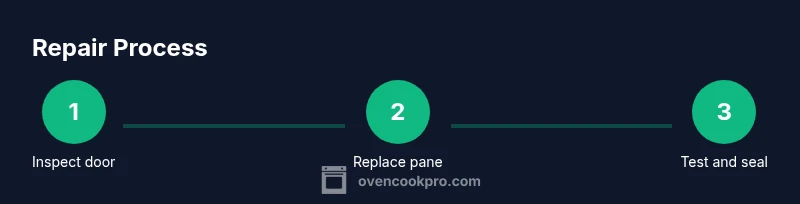
With the pane in place, reattach the door assembly to the hinges and test movement. Open and close the door slowly to listen for unusual sounds and to ensure there is even resistance across the swing. Wipe away any remaining debris from the interior and exterior surfaces. If the door seals properly, you should not notice heat escaping when the oven is in operation. If you detect misalignment, adjust the hinge screws per the manufacturer guidance and retest.
Cleaning, testing, and maintenance tips for longevity
After a repair, perform a cautious test run at a low temperature to check seal integrity before using the oven for cooking. Clean the gasket areas with a gentle cleaner, avoiding abrasive materials that could damage seals. Regular inspection of the door, hinges, gasket, and glass helps prevent future failures. Store spare fasteners and replacement parts in a labeled container and keep a quick reference of the model number for future repairs. Proper maintenance extends the life of your oven door and minimizes risk.
Authority sources and safety guidance for professional decisions
For safety and accuracy, consult reputable sources andManufacturer guidelines. See resources from official safety and consumer protection sites for general guidance on appliance repair and glass handling. While not model specific, the information supports responsible DIY practice and emphasizes when to seek professional help. If in doubt, contact a certified technician to avoid personal injury or damage to your appliance.
Tools & Materials
- Screwdriver set (Phillips and flat head)(Phillips #2 and flat head for typical oven screws)
- Work gloves with cut resistance(Prevent cuts from sharp edges and glass shards)
- Safety glasses(Eye protection during disassembly and handling glass)
- Replacement oven glass panel(Heat rated, OEM or compatible with your model; measure precisely)
- Gasket or edge seal(Replace worn seals to maintain heat retention)
- Putty knife or plastic spudger(Careful pry tool to avoid scratching finishes)
- Isopropyl alcohol and lint-free cloth(Clean surfaces before sealing and reassembly)
- Measuring tape or calipers(Accurate measurement of pane and edge profile)
- Marker or tape(Label parts and screws for reassembly)
Steps
Estimated time: 60-90 minutes
- 1
Power down and prepare the workspace
Unplug the oven and allow it to cool completely. Clear the area, lay a soft mat on the floor, and arrange tools and replacement parts within easy reach.
Tip: Cooling time is essential; never work on a hot oven or touch hot glass. - 2
Remove the door from the oven
Open the door just enough to access the hinge pins, then lift the door off the hinges and place it on a padded surface.
Tip: Support the door carefully to avoid dropping or bending hinges. - 3
Access the damaged glass pane
Remove the outer frame screws and gently pry apart layers to expose the glass pane. Inspect for cracks, chips, or edge damage.
Tip: Note the orientation of seals and spacers for accurate reassembly. - 4
Measure and source the correct replacement
Measure the pane thickness, width, and height; confirm the exact part with the model number and manufacturer guidelines before purchasing.
Tip: Do not substitute non-oven rated glass. - 5
Install the new pane and seals
Place the new glass into the frame, reattach seals, and secure with screws in a cross pattern to prevent warping.
Tip: Ensure a uniform edge gap and no pinched seals. - 6
Reassemble the door assembly
Reassemble the door layers in the correct order and reseat onto the hinges. Tighten screws evenly.
Tip: Check hinge tension to avoid door sag. - 7
Test the door and seal
Close the door and perform a basic heat test on a low setting to verify sealing and avoid smoke or heat leaks.
Tip: If you see gaps or leaks, recheck seal seating. - 8
Final cleaning and safety check
Wipe surfaces, recheck all fasteners, and store parts safely. Confirm the door operates smoothly and aligns with the gasket.
Tip: Keep a record of parts replaced for future maintenance.
Questions & Answers
Is it safe to repair an oven glass door myself?
DIY repair can be safe if you follow strict safety steps and use heat rated parts. Unplug the oven, allow it to cool, and wear protective gear. If the door is severely damaged or you lack the proper tools, seek a professional.
DIY repair is safer when you unplug and wear protection; otherwise consult a professional.
Can I replace only the glass panel instead of the whole door?
Yes, in many cases you can replace just the glass pane if the frame and hinges are intact and the pane is compatible with your model. Ensure you source a pane rated for oven temperatures and match thickness and size.
You can replace just the pane if the door frame is undamaged and you find a compatible pane.
How do I know I bought the correct glass pane?
Check the oven model number and consult the parts diagram from the manufacturer. Compare pane thickness, width, height, and edge cut to ensure a perfect fit.
Match the model number and pane dimensions to ensure a proper fit.
What signs indicate the door needs replacement instead of a pane?
Large cracks, warping, or a distorted frame that prevents a proper seal indicate door replacement is safer and more reliable than pane replacement.
If the frame is damaged or the seal won t stay intact, replace the door.
Will replacing the glass affect the oven warranty?
Replacing a pane with an OEM part generally preserves warranty if performed correctly. Always check your manufacturer’s warranty terms before proceeding.
Check the warranty terms; OEM parts and correct installation usually preserve coverage.
How long does a typical repair take?
A typical pane replacement with reassembly takes about an hour or two, depending on the oven model and how easily the door can be disassembled.
Most repairs take around one to two hours, depending on model and accessibility.
Watch Video
Main Points
- Inspect door integrity before attempting repair
- Use heat rated replacement glass
- Follow OEM guidance for parts and reassembly
- Test seal after reassembly before cooking
- Keep spare fasteners organized and labeled