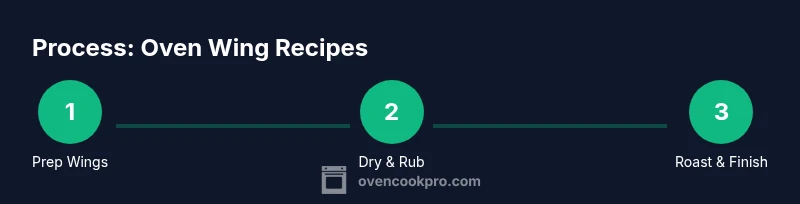
Oven Wing Recipes: A Complete How-To Guide for Crispy Wings
Learn how to make perfect oven wings with step-by-step guidance, from prep and drying to high-heat roasting and saucing. This expert guide from Oven Cook Pro covers technique, flavor ideas, troubleshooting, and storage for reliable results.


You will master crispy, reliable oven wing recipes using a simple, repeatable method. The guide covers wing selection, prepping and drying, seasoning, high-heat roasting, and finishing with sauce or glaze. Essentials include wings, neutral oil, salt, pepper, a rimmed baking sheet, and a wire rack; preheat the oven and roast until crisp.
Why Oven Wing Recipes Matter for Home Cooks
Wing recipes baked in the oven offer a balance of flavor, texture, and convenience that home cooks crave. They’re more predictable than frying, and they scale easily for family dinners or gatherings. When you choose to bake wings, you gain control over ingredients and cooking time, which helps you hit every note—crisp skin, juicy meat, and a well-balanced finish. This is where Oven Cook Pro’s guidance shines: our team has analyzed common pitfalls and provides practical steps you can trust. The result is a go-to approach for oven wing recipes that consistently deliver restaurant-style results at home, with plenty of room for your favorite rubs and sauces. Whether you’re cooking for a weeknight or game-day, oven wings fit into flexible menus and quick prep windows, and they pair well with sides like celery sticks, blue cheese, or a bright squeeze of lime. The key is a repeatable workflow you can repeat with confidence, week after week.
Essential Tools and Prep for Oven Wings
Having the right setup makes all the difference in oven wing recipes. Start with a rimmed baking sheet and a wire rack to lift the wings off the pan so air can circulate and the bottom stays crisp. A few towels or a clean towel keeps your workspace tidy as you pat wings dry and season. Keep a couple of bowls handy for dry rub mixtures and a pair of tongs for turning. For best results, have parchment paper or aluminum foil for easier cleanup, and keep a timer nearby to track each stage of roasting. The Oven Cook Pro approach emphasizes clean tools and a cooled surface for finished wings that hold their texture after resting. Use fresh wings if possible; if you must thaw, plan extra time. Patience during prep translates to consistently crisp outcomes across all oven wing recipes.
Prep Details and Drying Are Critical
Drying the wings thoroughly before applying oil and rub is a subtle but crucial step in oven wing recipes. Moisture on the surface creates steam, which prevents browning and results in softer skin. After patting dry, you can optionally air-dry the wings on a rack for 15–20 minutes. This reduces surface moisture further and sets you up for more even browning. A light coating of neutral oil (like canola or grapeseed) helps promote browning and helps the rub adhere. Too much oil, however, will pool and soft-brown the skin instead of crisping it. The right balance gives you that coveted crispy finish while keeping the meat juicy.
Dry Rubs, Salts, and Seasoning Balance
Seasoning is the backbone of oven wing recipes. A simple mix of salt, pepper, and garlic powder can be elevated with paprika, cayenne, or dried herbs for complexity. For milder heat, keep cayenne optional or adjust to taste. The rub should coat every wing evenly with a light hand so you don’t overpower the natural chicken flavor. If you prefer a glaze, plan to add it at the end, so the coating doesn’t burn during roasting. Remember: the goal is flavor that complements, not overwhelms, the chicken. This balance helps your oven wing recipes shine in any kitchen, whether you’re aiming for family-friendly flavors or bolder profiles.
The High-Heat Bake: Temperature, Timing, and Rack Position
Crisp skin and juicy meat come from the right temperature and a proper setup. Roasting wings at a high oven temperature promotes browning and texture development. Position the rack in the middle or upper-middle of the oven to allow heat to reach the wings directly while avoiding scorching. Space wings evenly on the rack so air can circulate around each piece. For most oven wing recipes, a bake at a high heat for a moderate time, followed by a quick finish with sauce, yields the best texture. If you notice soggy skin, check for overcrowding and moisture on the surface. Adjust the time slightly to accommodate your particular oven.
Flavor Builders: Rubs, Sauces, and Finishes
Rubs create a foundation for oven wing recipes, while sauces add a finishing layer that can caramelize in the oven. Popular combos include a paprika-garlic rub with a buffalo or honey-glaze finish, or a smoky chipotle rub with a tangy barbecue sauce. If you prefer a crisp glaze, apply it during the last 5–7 minutes of roasting so it adheres and caramelizes without burning. For extra texture, consider finishing with a quick broil for 1–2 minutes, watching closely to prevent burning. The key is choosing a finish that complements the rub and your preferred heat level.
Troubleshooting Common Issues in Oven Wing Recipes
If wings seem pale or soggy, there’s usually moisture or overcrowding somewhere in the process. Ensure wings are fully dry before applying oil and rub, and avoid stacking wings on top of one another. Uneven browning often comes from inconsistent spacing—use a wire rack and rotate the tray halfway through roasting. A lack of crispness can also come from using too much wet glaze or insufficient air circulation; keep the surface drier at the start and apply glaze in the final stage. These adjustments improve outcomes across your oven wing recipes.
Serving, Storage, and Leftovers
Serve wings hot with dips and celery for contrast. If you have leftovers, cool them quickly and refrigerate in shallow containers to preserve texture; reheat in the oven or toaster oven to maintain crispness, not in a microwave where moisture steams the skin. For longer storage, wings can be frozen raw before cooking or reheated after cooking. When reheating, give them a brief re-crisp on a rack to reestablish the texture you achieved the first time around.
Quick-Reference Tips for Consistency
Practice makes perfect with oven wing recipes. Keep a habit of drying wings well, using a wire rack, and spacing pieces evenly. Track your oven temperature and fan behavior if using a convection setting, as it can affect browning. By keeping notes on rubs and glaze timing, you’ll refine your technique over time and produce reliable results across multiple batches.
Tools & Materials
- Chicken wings (drumettes and flats)(Fresh or thawed; 2–3 pounds for a family meal)
- Neutral oil (canola, grapeseed)(Lightly coat wings for browning)
- Salt and black pepper(Season generously but evenly)
- Baking sheet with rim(20x13 inches or similar)
- Wire rack(Lifts wings for air circulation)
- Parchment paper or aluminum foil(Optional for easier cleanup)
- Tongs(For turning wings)
- Mixing bowls (2)(One for rubs, one for tossing)
- Measuring spoons(Accurate seasoning)
- Timer or clock(Track bake and rest times)
Steps
Estimated time: Total: 30-45 minutes
- 1
Preheat and prep
Preheat your oven to 425°F (220°C). While it heats, pat the wings dry with paper towels to remove surface moisture that can hinder browning. This step is foundational for crisp skin in oven wing recipes.
Tip: Dry surfaces lead to better browning; moisture is the enemy of crispness. - 2
Pat dry and measure oil
Thoroughly pat wings dry again if needed, then toss with a light coating of neutral oil to help the rub adhere and promote even browning.
Tip: Too much oil can pool and soften the skin; a light coat works best. - 3
Apply rub evenly
Combine your chosen dry rub with a pinch of salt and pepper in a bowl. Toss the wings until they are evenly coated, then arrange them on the wire rack with space between pieces.
Tip: Even coating ensures consistent flavor across all wings. - 4
Space and position wings
Place the rack on a rimmed baking sheet and slide it into the oven. Ensure wings are not touching to maximize airflow and browning.
Tip: Airflow is crucial; overcrowding stalls browning. - 5
Roast and flip
Roast for 20–25 minutes, then flip wings with tongs and rotate the pan for even heat exposure. Return to the oven for another 8–12 minutes until the skin is deeply browned and crisp.
Tip: Flipping halfway helps achieve uniform crispness on all sides. - 6
Finish with glaze or serve
If using a glaze, brush on in the last 5 minutes of roasting and let it caramelize without burning. Remove wings and let rest 5 minutes before serving.
Tip: Resting helps juices redistribute for juicier meat.
Questions & Answers
What temperature is best for oven wings?
Most oven wing recipes benefit from a high heat to brown the skin, typically around 425°F (220°C). Adjust based on your oven performance and desired level of crispness.
Most ovens bake wings best at about 425 degrees, which browns the skin quickly. If your oven runs hot or cold, adjust by ±25 degrees and check early.
Should I use a wire rack for crispy wings?
Yes. A wire rack keeps wings elevated so hot air circulates all around, producing crisper skin. It also prevents soggy bottoms by avoiding direct contact with melted fat.
Absolutely—use a wire rack to ensure air can reach every wing.
Do I need to preheat the oven?
Preheating helps you achieve immediate browning and consistent results. Skipping it can lead to uneven cooking and less crisp skin.
Yes, preheat the oven for even cooking and crisp skin.
How can I make wings crispy without deep-frying?
The key is high heat, dry surface, and proper air circulation. Avoid overcrowding and use a light oil coat plus a wire rack to maximize browning.
Crispy wings come from high heat, dryness, and airflow—not oil depth.
Can I prepare wings ahead of time?
You can rub and dry wings up to a day in advance and refrigerate to enhance flavor. Bring to room temperature before roasting for even cooking.
Yes, you can prep ahead and refrigerate before roasting.
How should I reheat wings without losing crispness?
Reheat in a hot oven or air fryer to restore crispness. Avoid microwaving, which softens the skin.
Reheat in a hot oven or air fryer to keep them crispy.
Watch Video
Main Points
- Dry wings well to maximize browning
- Space wings for even airflow
- Flip halfway for uniform crispness
- Finish with glaze only in last minutes