How to Make Wings in the Oven: A Step-by-Step Guide
Learn how to bake crispy, flavorful wings in the oven with expert tips from Oven Cook Pro. This guide covers prep, seasoning, baking temps, finishing techniques, and serving ideas for consistently crispy results.


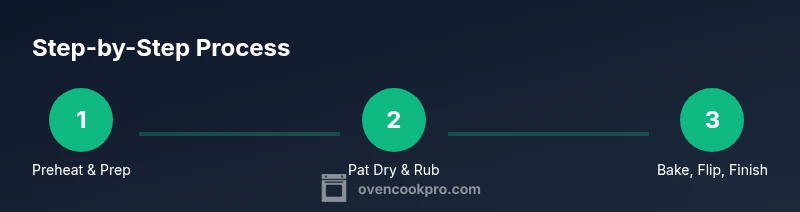
Goal: bake crispy, restaurant-style wings in the oven with even browning and rich flavor. You’ll need a baking sheet with a rack, parchment, oil, and your favorite seasonings. Preheat to 425°F, pat wings dry, toss with oil and spices, and bake on a rack for 25–30 minutes, flipping halfway. For extra crunch, broil 1–2 minutes at the end.
Why Oven Temperature and Wing Prep Matter
Crispy wings start with how you prepare the wings and how hot your oven runs. Dry air and good airflow are essential for browning, while a steady, moderate-high temperature helps render fat and color the skin evenly. According to Oven Cook Pro, drying wings thoroughly and using a wire rack elevates the surface so the heat reaches all sides, yielding a consistent, crackly skin. Start with a clean workspace, pat wings dry with paper towels, and set up a wire rack over a parchment-lined sheet for best results. The result is less soggy skin and more biteable texture across every wing.
1. Tools, Materials, and Safety Basics
Before you start, gather your tools: a rimmed baking sheet, a metal or silicone wire rack, parchment paper or aluminum foil, a mixing bowl, tongs, and a clean dish for coated wings. You’ll also want a digital thermometer to verify doneness and an oven-safe timer. Safety note: hot pans and racks can cause severe burns, so use oven mitts and place the rack before you start handling wings. Oven Cook Pro emphasizes organization—having everything ready helps you stay focused and prevents overcooking.
2. Step-by-Step Overview
This guide walks you through eight concrete steps from preheating to serving. The core idea is to keep air circulating around every wing and to finish with a quick high-heat blast for extra crispness. We’ll cover dry patting, oiling, seasoning, rack setup, bake times, flipping, optional broiling, and resting time. You’ll also find flavor variations and safety tips that adapt to different wing sizes and your oven’s quirks. The plan remains the same: hot oven, dry skin, and even exposure to heat on all surfaces.
3. Flavor Profiles and Rubs: Simple, Bold, or Sweet Heat
Wings thrive on a short, bold rub. A basic mix of baking powder (helps with crisping), salt, pepper, paprika, garlic powder, and a touch of cayenne creates a clean base. You can switch to a smoky paprika blend, lemon pepper for brightness, or a sweet-spicy honey-garlic glaze. If you prefer dairy-free options, use olive oil as the binding fat and keep the rub dry to maximize browning. For extra depth, add a splash of acid (lemon juice or a light vinaigrette) just before baking to brighten the flavor without watering down the crust.
4. Achieving Crisp Texture: Temp, Time, and Finishing Techniques
Crispiness comes from heat and air. Preheat the oven to 425°F and position the wings on a rack above parchment. Bake for 25–30 minutes, flipping once around halfway. If your wings aren’t as crisp as you’d like, move to the top rack and broil for 1–2 minutes, watching closely to prevent burning. If you have a convection setting, use it; the circulating air improves browning. Remember to remove any excess moisture and avoid overcrowding the pan so heat can reach every wing.
5. Sauces, Dips, and Serving Ideas
Wings pair well with classic buffalo or tangy BBQ sauce, but you can also aim for a lighter finish with a garlic-herb drizzle or a zesty blue cheese dip. If you want to keep them dairy-free, a vinaigrette-style dipping sauce or a dairy-free ranch works well. For a more restaurant-like finish, toss the hot wings with a small amount of sauce and a pinch of salt, then plate immediately with celery sticks and perforated napkins to absorb excess oil. The key is to balance heat, salt, and acidity so the coating remains crisp.
6. Common Pitfalls and How to Fix Them
Overcrowding the sheet leads to steaming rather than browning. Wings that aren’t patted dry won’t crisp properly, and uneven heat can leave some pieces undercooked. If your oven runs cool, extend bake time by 5–10 minutes, but monitor interior temperatures with a thermometer. Size variation matters; larger wings take longer to crisp. Using a rack over parchment helps air circulate and reduces sogginess. Oven Cook Pro notes that consistent wing size and a steady preheat are your allies for reproducible results.
7. Authoritative Sources and Safety Guidance
For safety and best practices around poultry and oven use, consult government and educational resources such as the USDA Food Safety and Inspection Service and nutrition education sites. Cooking wings to an internal temperature of 165°F minimizes risk of foodborne illness. Always wash your hands and sanitize surfaces after handling raw poultry, and keep raw wings separate from ready-to-eat foods. See the sources section for direct URLs and recommendations.
8. Nutrition, Storage, and Reheating Tips
Wings are flavorful but can be higher in fat; balance your meal with a light side and plenty of vegetables. Store any leftovers in an airtight container in the fridge for up to 3–4 days. Reheating in a 375–400°F oven for 5–10 minutes helps maintain crispiness better than microwaving. If you’re meal-prepping, consider cooking fresh wings in small batches to keep texture, or re-crisp in the oven after reheating.
9. Final Checklist and Confidence Boost
Before you bake, confirm you have the rack elevated, parchment ready, wings patted dry, and spices mixed. Preheat the oven to 425°F and set a timer for the initial bake. As you finish, check for an internal temperature of 165°F and a crisp exterior. With practice, you’ll tune times for your oven and wing size, achieving reliable, restaurant-grade wings every time.
Tools & Materials
- rimmed baking sheet(Line with parchment or foil for easy cleanup)
- oven-safe wire rack(Elevates wings for even air circulation)
- parchment paper or aluminum foil(Prevents sticking and helps with cleanup)
- large mixing bowl(Mix seasonings and oil evenly)
- tongs(Turn wings halfway through baking)
- measuring spoons(Accurate rub and sauce quantities)
- digital thermometer(Verify internal temp at 165°F)
- silicone brush or spatula(Apply glaze if desired)
Steps
Estimated time: 40-60 minutes
- 1
Preheat and prepare
Preheat the oven to 425°F (220°C). Line a baking sheet with parchment and place a wire rack on top. This setup ensures air can circulate around each wing for even browning.
Tip: Preheating first ensures the wings start cooking as soon as they hit the rack. - 2
Pat wings dry
Pat the wings dry with paper towels to remove surface moisture. Excess moisture steams the skin instead of browning it, reducing crispiness.
Tip: A towel dry helps achieve a much crisper crust. - 3
Toss with oil and rub
In a bowl, toss wings with a light coating of neutral oil and your chosen rub (salt, pepper, paprika, garlic powder, and a pinch of baking powder optional for extra crisp).
Tip: Baking powder helps crisp the skin by promoting browning and drying out the surface. - 4
Arrange on rack
Spread wings in a single layer on the rack, leaving space between each piece. Crowded wings steam rather than crisp.
Tip: Leave about 1/2 inch of space between wings for best air circulation. - 5
Bake and flip
Bake 25–30 minutes, then flip the wings with tongs to ensure even browning. Return to the oven for another 8–12 minutes.
Tip: If you prefer super crispy skin, switch to broil for 1–2 minutes at the end while watching closely. - 6
Check doneness
Wings should reach an internal temperature of 165°F (74°C) and have a deep golden color. Remove from oven when done.
Tip: Carry a thermometer to confirm doneness rather than guessing. - 7
Sauce or glaze
Toss hot wings with your sauce or glaze in a clean bowl, or serve on the side for dipping.
Tip: Light sauces cling better if wings are hot but not dripping with fat. - 8
Rest and serve
Let wings rest for a couple minutes to reabsorb juices before serving with celery, carrot sticks and dipping sauces.
Tip: Resting helps the crust set and improves texture.
Questions & Answers
Can I bake wings without a rack?
Wings can be baked without a rack, but they may not crisp evenly as angles of contact trap moisture. If you must, elevate wings on crumpled parchment to allow some air circulation and rotate them midway.
Yes, you can bake without a rack, but expect less even browning. Elevate wings on parchment and rotate halfway.
What temperature yields the crispiest wings?
A high oven temperature around 425°F (220°C) is ideal for crispy skin. If your oven runs hot, you may adjust to 400°F and monitor closely for browning.
Aim for about 425°F for crisp skin and adjust if your oven is hotter or cooler.
How long should wings bake per side?
Bake the first side 12–15 minutes, flip, then bake the second side 8–12 minutes. Times depend on wing size and oven performance.
Bake 12–15 minutes one side, 8–12 minutes the other, then check for 165°F.
Do I need to thaw wings before baking?
Yes, thaw frozen wings completely and pat dry. Cooking from frozen can lead to uneven doneness and soggy skin.
It's best to thaw wings fully before baking for even cooking.
Which sauces pair best with oven wings?
Classic buffalo, honey-garlic, and smoky BBQ are reliable pairings. For a lighter finish, serve with dairy-free dips or vinaigrettes.
Buffalo, honey-garlic, or BBQ sauces pair well; dairy-free dips work too.
Can I reheat wings without losing crispiness?
Reheat in a hot oven (375–400°F) for 5–10 minutes to restore crispiness better than microwaving. Avoid stacking wings during reheating.
Reheat in a hot oven for best texture, not the microwave.
Watch Video
Main Points
- Preheat to a high temp for browning.
- Dry skin and air circulation are essential.
- Flip halfway for even crispness.
- Finish with a brief high-heat blast if needed.