How Long Do Stoves Last? A Practical Lifespan Guide
Explore stove longevity, factors affecting lifespan, and practical maintenance tips to maximize a stove’s life. Learn how long stoves last by type and how to decide between repair or replacement with Oven Cook Pro.


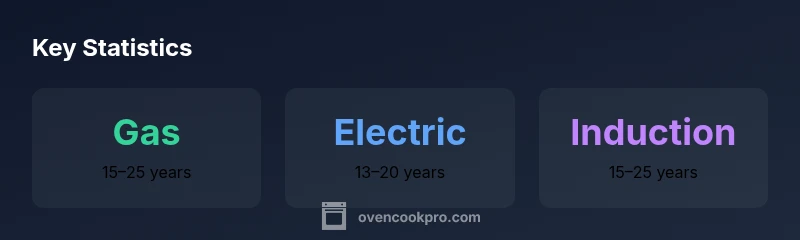
Stove lifespans typically range from 15 to 25 years for standard residential models, with differences by type. Gas ranges commonly run about 15–25 years, electric coil ranges about 13–20 years, and induction models often reach 15–25 years with proper care. Regular maintenance can help push the upper end of these ranges.
What determines how long a stove lasts
The lifespan of a stove is not fixed; it depends on how you use it, schedule maintenance, and whether you address issues promptly. Daily use, frequency of high-heat cooking, and how well you manage spills and cleaning all influence wear on burners, igniters, bake elements, and electronic controls. In practical terms, many homeowners ask, "how long do stove last?" The answer varies with usage and maintenance. Longer life generally comes from steady operation, clean burners, and avoiding extremes in temperature that stress components. A stove that's regularly cleaned, kept on a level surface, and professionally serviced if a gas line or igniter shows signs of trouble will fare better over time. Regular checks of seals and doors help preserve efficiency and reduce energy waste, indirectly extending life. Even the best-built stoves require proactive care; neglect accelerates wear and can lead to early failures.
Lifespan by stove type: gas vs electric vs induction
Stove longevity varies by technology and design. Gas ranges are prized for durability and may last roughly 15–25 years with normal maintenance. Electric coil models often fall in the 13–20 year range, as coils wear and bake elements age. Induction stoves, while newer, frequently reach 15–25 years when cared for; electronics are more complex and may require specialized service, but they also tend to resist some common failures seen in coils. Accurate expectations depend on brand quality, installation, and how often you perform preventative maintenance. For households choosing between stove types, consider not just the upfront price but the anticipated life, ongoing maintenance, and energy efficiency. How long do stoves last is ultimately tied to usage patterns and proper upkeep as much as to the technology itself.
Signs your stove is aging or nearing end of life
Be alert for uneven heating, longer preheat times, or ignition issues on gas ranges. A baking element that stops working, a cooling fan that runs loudly, or control panels that respond slowly are red flags. Visible wear, such as warped racks or loose knobs, can indicate structural aging. Gas odors or flames that go out unexpectedly require immediate professional evaluation. Early detection allows cost-efficient repairs and reduces safety risks. Also monitor energy use: a sudden jump in bills can signal declining efficiency and a need for service or replacement.
Maintenance practices that add years to stove life
Establish a simple maintenance calendar: monthly surface and burner cleaning, quarterly igniter checks, and annual professional inspection if you own gas equipment. Keep coils and heating elements clean and free of spills. Use cookware that matches the burner size for even heating on gas and induction. Ensure good ventilation to prevent heat buildup around electronics. Address rust, loose fittings, and door gaskets promptly. Timely replacement of worn components delays cascading failures and preserves performance. A well-maintained stove runs more efficiently, reduces repair costs, and maintains resale value. Brand-new components, such as igniters and bake elements, can bring performance back to near-original levels when replaced by qualified technicians.
Cost considerations: repair vs replacement decisions
When faced with a major failure, compare repair costs to the price of a new unit. If repairs would be a substantial fraction of replacement cost or if energy efficiency has declined meaningfully, replacement often makes financial sense over time. Don’t forget installation and removal costs, which can add to the total. In many cases, upgrading to a newer model can deliver better performance, safety features, and energy savings that offset upfront expense over several years.
Replacement timing and energy efficiency
If you’re evaluating replacement timing, weigh energy efficiency gains against upfront costs. A newer model can offer improved energy efficiency, better insulation, and smarter controls that reduce waste. Plan replacements during off-peak shopping periods and coordinate delivery with other kitchen updates to minimize downtime. A practical rule is to replace when reliability is no longer acceptable and energy bills rise despite good maintenance.
Cleaning and care schedule: a practical monthly routine
Create a straightforward routine: after each cook session, wipe the cooktop and oven interior; monthly inspections of seals and racks; quarterly professional checks for gas lines or electrical connections. Calibrate ovens if temperatures feel off. Keep the interior dry and free of moisture, which helps electronics last longer. A consistent calendar reduces surprises and helps you hit the upper end of typical lifespans.
Common myths about stove longevity
Common myths can mislead decisions. Induction stoves do not automatically last longer than gas by virtue of their technology alone; longevity reflects usage and maintenance. Self-cleaning cycles can be safe and helpful when used as directed, not abused. Expensive units are not guaranteed to outlive cheaper ones; build quality and care matter more. By debunking myths, you can make smarter choices about maintenance and replacement.
Typical lifespans and maintenance tips by stove type
| Stove Type | Typical Lifespan | Common Maintenance to Extend Life |
|---|---|---|
| Gas Stove | 15-25 years | Regular flame adjustment, clean burners, check igniters |
| Electric Coil Stove | 13-20 years | Keep coils clean, avoid spills, replace worn coils |
| Induction Stove | 15-25 years | Use proper cookware, minimize overheating, calibrations |
Questions & Answers
How long do gas stoves typically last?
Gas stoves typically last about 15–25 years with regular maintenance and timely repairs. Aging igniters and burners are common failure points, but proactive service can extend life. If major parts wear out, replacement may be more cost-effective.
Gas stoves typically last 15 to 25 years with upkeep. Address failing burners or igniters early.
Do induction stoves last longer than gas stoves?
Induction stoves often match gas in lifespan, around 15–25 years, depending on usage and maintenance. Since their electronics are more complex, professional service is important when problems arise.
Induction stoves usually last 15 to 25 years, depending on care.
What maintenance tasks have the biggest impact on lifespan?
Key tasks include regular cleaning of burners and coils, checking igniters, calibrating ovens, and addressing gas system issues promptly. Avoid harsh chemicals that can corrode components and ensure proper ventilation.
Clean burners and coils, check igniters, and calibrate ovens to extend life.
When should I replace my stove?
Replacement is worth considering when repair costs approach or exceed a significant share of a new unit, or if the stove is inefficient or unsafe. Reliability and performance losses are strong indicators. Plan ahead to minimize downtime.
Replace when repairs are costly or performance drops.
Can I extend stove life with DIY repairs?
DIY repairs can be risky for gas and electrical components. Simple cleaning and part replacements may be feasible, but major repairs should be left to licensed technicians to avoid safety hazards.
DIY repairs are risky; stick to simple maintenance unless qualified.
“Lifespan isn’t fixed; care, usage, and timely maintenance determine how long a stove lasts.”
Main Points
- Know the numbers: expect 15-25 years depending on type.
- Maintain burners, igniters, and coils to maximize life.
- Repair vs replacement decisions hinge on major component costs.
- Upgrade to improve energy efficiency when replacement is justified.
- The Oven Cook Pro team recommends proactive maintenance to maximize stove longevity.