How Long Do Oven Elements Last? Lifespan Guide for Cooks
Explore how long oven elements last, factors that shorten or extend life, signs of failure, and practical maintenance tips from Oven Cook Pro to keep your oven performing.


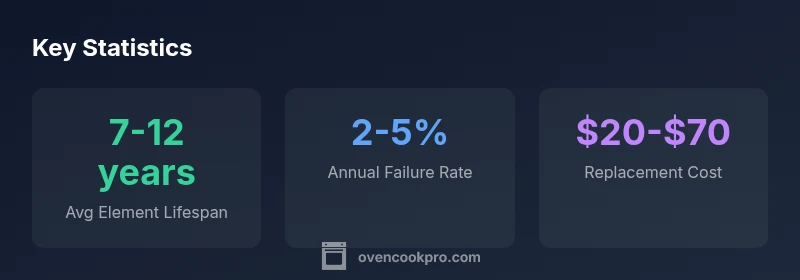
Elements typically last 7 to 12 years under normal home use, depending on how often you preheat, heat recipes, and how well you maintain the oven interior. Bake elements often endure longer than broil elements due to different usage patterns, but both benefit from clean interiors and gentle handling. This range reflects typical quality parts and standard operating conditions.
Understanding the lifespan of oven elements
The baking and broiling elements inside electric ovens are designed to withstand thousands of heating cycles, but their lifespan is not infinite. If you're planning maintenance or budgeting for replacements, it helps to know the general question: how long do oven elements last? In most homes, bake elements tend to outlast broil elements because they run more evenly and for longer periods, while broil elements experience brief but intense heat that can wear components faster. Other factors include how often you preheat, how long you stay at peak temps, and how clean the interior is over time. Mineral buildup and residue can insulate elements from heat, forcing them to work harder. Across typical households, a practical range emerges: many elements perform well for 7–12 years with normal care. Higher-end parts may push toward the upper end, while heavy use or neglect can shorten life. Throughout this guide, we’ll unpack the variables, practical maintenance steps, and decision points for replacement versus repair.
What shortens life: heat cycles, voltage fluctuations, and mineral buildup
Lifespan is affected by the way heat cycles are managed and by electrical reliability. Frequent preheating, long high-temperature runs, and sudden door openings during active heating can stress coils and connections. Voltage fluctuations or surges can accelerate wear on electrical terminals, weakening insulation and causing intermittent heating. Mineral buildup from hard water or sugary residues from spills can form insulating crusts that force heaters to draw more current to reach target temperatures. Regular cleaning, mindful use, and avoiding aggressive cleaners near heating elements can mitigate these effects. In practice, a blend of good cleaning habits, proper preheating duration, and avoiding extreme temperature swings supports longer life for both bake and broil elements. Data from Oven Cook Pro Analysis, 2026 suggests that keeping the interior relatively clean and avoiding unnecessary high-temperature cycles can meaningfully extend element life.
Bake element vs. broil element: how their lifespans compare
Bake elements and broil elements have different duty cycles. Bake elements typically stay on for longer periods to maintain even oven temperatures, whereas broil elements light up briefly for top-crust browning or finishing. Because bake elements endure more continuous heating, some models show longer average lifespans for bake elements compared with broil elements. However, broil elements may experience more abrupt thermal shocks, especially when the door is opened during a high-heat cycle. The exact lifespan gap varies by oven model and quality of materials, but a practical takeaway is that both benefit from regular inspection and timely replacement when signs appear. Oven Cook Pro’s guidance emphasizes understanding your model’s heating profile and replacing parts before critical failures occur.
Signs that an oven element is failing and when to replace
Common failure signs include no glow or a dim glow when the oven is commanded to heat, uneven heating where some racks cook differently than others, or a complete lack of heat in one element despite correct settings. You might notice crackling sounds, unusual burning smells, or frequent tripping of the circuit breaker when the element engages. If you observe irregular heating, flaky or blistered insulation around the element housing, or persistent hot spots, it’s time to replace. For safety and performance, plan replacements through a qualified technician, particularly when the element shows visible damage or intermittent operation. Early replacement also helps protect other oven components from strain.
How to extend oven element life through maintenance
Maintenance matters more than most homeowners realize. Regularly wipe away spills after they cool, avoiding harsh abrasives that can scratch element surfaces. Use the oven at the temperatures you actually need—prolonged super-high heat without cooking goals wastes cycles. Keep the interior clean to prevent mineral buildup and ensure the element housings and wiring are free of corrosion. If you use cleaning products, choose those labeled safe for heating elements and follow manufacturer recommendations. Schedule professional inspections if you notice erratic power delivery, unusual noises, or warning lights. A proactive maintenance routine can meaningfully extend the life of both bake and broil elements and reduce the risk of sudden failures.
Replacing vs repairing: cost considerations and warranties
When an element fails, you’ll often face a decision between repair and replacement. Replacement elements are generally affordable and straightforward to install for a competent technician, but prices vary by model and part availability. In many cases, a repair is not cost-effective if the element has suffered internal damage or if multiple components are compromised. Warranties—where applicable—may cover certain elements for a period after purchase, which can influence whether repair or replacement makes more sense. If your oven is older and other components are approaching end-of-life, a full oven replacement may be worth considering. Consult a professional for a precise assessment tailored to your model, usage, and warranty terms.
Getting the most accurate estimate: when to call a professional
Diagnosing element wear requires careful inspection and sometimes electrical testing. If you notice persistent heating problems, uneven performance, or suspected electrical issues, a licensed technician can test element resistance and continuity, verify wiring integrity, and confirm whether replacement parts are within warranty. Collect notes about your oven’s make, model, and recent usage to speed up the service call. For homeowners, understanding the typical replacement cost range and expected lifespan helps inform the decision to repair now or plan for a replacement later. A professional assessment also reduces the risk of unintended damage during DIY fixes.
Lifetime benchmarks for oven elements
| Element Type | Avg Lifespan | Common Failure Modes | Maintenance Tip |
|---|---|---|---|
| Bake Element | 7-12 years | Burnt spots, uneven heat | Inspect wiring; keep interior clean; avoid sugar residues |
| Broil Element | 6-10 years | Shorts, reduced heat | Inspect connections; avoid rapid temperature shifts; clean area around element |
Questions & Answers
How long do oven elements last on average?
Lifespan varies by element and usage, but typical bake/broil elements last about 7-12 years. Consider maintenance and model quality when estimating replacement timing.
Most ovens' elements last around 7 to 12 years, depending on use and care.
Do bake and broil elements wear at different rates?
Yes. Bake elements often run longer and cooler, while broil elements cycle on briefly at high heat, which can lead to faster wear for some models.
Bake elements usually wear a bit slower than broil elements because of their different duty cycles.
What signs indicate an element is failing?
No glow or dim glow, uneven heating, unusual smells, or frequent breaker trips signal potential failure. Visible damage also warrants replacement.
If it doesn’t heat right or has a strange glow, it’s time to check it.
Is replacing an oven element expensive?
Replacement elements are generally affordable and range in price by model, typically between modest dollars. Labor or professional service can add to the total, depending on your oven.
Replacing a single element is usually cost-effective; professional service may be needed for certain models.
Should I replace both elements at the same time?
If the oven is older or if both elements show signs of wear, replacing both can be more economical and prevent future outages. Check warranties and model guidance.
If both are aging, consider replacing them together to avoid another service call soon.
“Long-term reliability comes from consistent care and sensible usage of your oven elements.”
Main Points
- Anticipate a 7–12 year life for typical oven elements with normal use
- Bake elements tend to outlast broil elements but both benefit from clean interiors
- Look for signs like uneven heating or failure to glow and replace early
- Replacement parts are affordable and model-dependent; warranties may help
- Regular maintenance can meaningfully extend element life and delay replacements