How to Clean Oven Grates: A Home Cooks' Guide
Learn how to clean oven grates with proven methods. This comprehensive guide covers soaking, scrubbing, drying, and maintenance to keep racks pristine and cooking even.


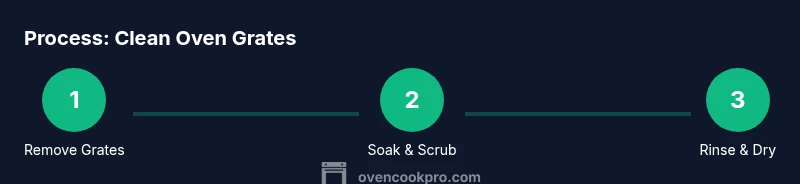
To clean oven grates, remove them from the oven and soak in hot, soapy water. Scrub with a non-scratch brush to lift grease, then apply a baking-soda paste on stubborn spots. Rinse, dry thoroughly, and reassemble. For best results, repeat monthly or after heavy use. According to Oven Cook Pro, a regular cleaning routine keeps heat even and reduces odors.
Why Cleaning Oven Grates Matters
Regularly cleaning oven grates matters because buildup from oils and drippings can insulate heat, create uneven cooking, and produce smoky odors. When grease sits, it bakes onto surfaces and can transfer to food. Clean grates improve airflow inside the oven, helping baking and roasting become more consistent. A clean rack also reduces the risk of flare-ups when fats ignite. From a maintenance perspective, rust is less likely on dry grates and the metal ages more gracefully. The Oven Cook Pro team notes that neglect accelerates wear and can require early replacement. By investing a modest amount of time every few weeks, you extend the life of your oven and ensure safer, more predictable cooking results. If you have a self-cleaning feature, understand its limits and follow the manual; hot, enclosed cleaning cycles don’t always reach every corner of wire racks. Keep a dedicated space for soaking and drying to avoid cross-contamination with food prep.
Safety First: Prep and Precautions
Before you touch hot racks, unplug the oven or switch off the power to ensure no heat source is active. Wear rubber gloves to protect your hands from sharp wires and hot water. Work in a well-ventilated area because cleaning products can release fumes; open a window or run a fan if your kitchen is tight. Remove the grates carefully, placing them on a mat or large towel to protect countertops. If your oven has a warming drawer, keep it off to avoid drips or splashes. Never use harsh solvents on aluminum grates, as they can discolor or corrode metal. If you’re cleaning after high-heat cooking, let the racks cool for at least 15 minutes before handling. As Oven Cook Pro notes, safety creates cleaner results because you won’t rush or damage components.
Cleaning Methods Overview
There isn’t a single magic method; most homes benefit from a combination of soaking, scrubbing, and drying. For light buildup, hot water and dish soap with a nylon scrub brush is enough. For stubborn grime, a baking soda paste provides gentle abrasive action without scratching chrome or porcelain-coated racks. If you’re short on time, you can wipe grates with a damp cloth and then dry thoroughly, though a deeper clean yields better results and longer life. For rust spots, there are rust-edge remedies, but often, complete replacement is easier after multiple cycles of severe rust. The key is to avoid metal-on-metal scraping that can gouge protective coatings. Always rinse thoroughly to remove soap residues, which can bake onto food later. By following a consistent routine, you’ll keep the oven performance high and the interior looking like new.
Soaking and Degreasing: Practical Approach
Soaking is the foundation of an effective clean. Fill a basin with hot water and a few squirts of dish soap, then submerge the grates completely. Let them soak for 15–30 minutes; for very dirty grates, extend to 60 minutes. After soaking, drain the water, lightly agitate, and begin scrubbing with a nylon brush. The goal is to lift grease without scratching metal. If stubborn spots persist, sprinkle a small amount of baking soda on the grime and scrub gently in circular motions. Rinse thoroughly and set the grates on a clean towel to dry.
Scrubbing Techniques That Work
Choose a non-scratch brush for delicate finishes and a firmer brush for tough grime. Work in small circles to break up burnt-on residue, paying close attention to the corners where grease accumulates. For vertical supports and wire crevices, use an old toothbrush to reach tight areas. Rinse often to check progress, and switch to warm water as you go to prevent cool-down from re-greasing surfaces. If you notice rust starting, avoid aggressive chiseling; instead, re-sand lightly with a soft pad and apply light oil after drying to form a protective patina. A final rinse with clean water removes soap residues that could affect taste.
Handling Rust and Built-Up Grime
Small rust spots can be addressed with a mild acid like white vinegar applied with a cloth, then rinsed away. If rust persists after multiple cleans, consider replacing the grates to prevent flaking or metallic off-notes in foods. Built-up grime that refuses to come off with soaking may indicate surface wear; in that case, consider replacing affected sections rather than forcing a deep clean. Avoid abrasive metal scrubbers that gouge protective coatings. For coated racks, stick to gentle scrubs to preserve the glaze and extend life.
Drying, Reassembly, and Rust Prevention
Drying thoroughly is critical to prevent rust. After washing, shake off excess water and pat dry with a clean towel, then air-dry on a rack or towel for at least an hour. Reassemble the oven grates once completely dry, ensuring correct orientation and stable seating to avoid drips onto hot surfaces. To further prevent rust, avoid leaving damp grates on metal surfaces and consider a light coating of food-safe oil on metal surfaces as a preventive step after drying. Regular inspection helps catch early wear before it becomes a problem.
Maintenance Schedule and Quick Fixes
For most households, a deep clean every 1–3 months suffices, with light wipe-downs after heavy roasting. If you use a lot of oil-rich foods, increase the frequency. After a deep clean, keep a routine quick wipe-down to prevent heavy buildup. A simple, quick fix is to spray a mild, non-toxic degreaser, wait a minute, and rinse, but be sure to dry thoroughly. Oven Cook Pro recommends documenting your cleaning cycle to track wear and plan replacements before they impact performance.
Tools & Materials
- Large basin or sink for soaking(Deep enough to submerge grates completely)
- Dish soap (degreasing)(Hot water aids grease emulsification)
- Non-scratch scrub brush(Nylon bristles work well on chrome and enamel)
- Old toothbrush(For tight crevices and corners)
- Baking soda(Use as a gentle abrasive paste for tough spots)
- White vinegar(Optional for rust spots; rinse well afterward)
- Rubber gloves(Protect hands from heat and cleaners)
- Soft cloth or drying towel(Dry thoroughly to prevent rust)
- Cooling rack or drying mat(Air-dry grates completely)
Steps
Estimated time: 45-60 minutes
- 1
Remove grates and prep
Power down the oven and carefully lift the racks out, placing them on a protected surface. This first step prevents heat exposure and protects countertops from draining grease. If any food is spilled on the floor of the oven, wipe it away to avoid transfer during cleaning.
Tip: Use a large tray underneath to catch debris and avoid mess on the floor. - 2
Soak in hot, soapy water
Fill a basin with hot water and a few squirts of dish soap. Submerge the grates completely and let them soak for 15–30 minutes; heavier grime may need up to 60 minutes. Soaking loosens fats and makes scrubbing easier.
Tip: For very greasy grates, add a splash of white vinegar to boost grease breakdown. - 3
Scrub with nylon brush
After soaking, scrub in sections using a non-scratch nylon brush. Work in circular motions, paying attention to corners and wire crevices where grime hides. For stubborn spots, sprinkle a small amount of baking soda on the brush and continue brushing.
Tip: Rinse your brush frequently to avoid re-depositing dirt. - 4
Rinse and inspect
Rinse the grates under warm running water and inspect for remaining grime. If any spots persist, repeat soaking and scrubbing as needed. Ensure all soap residues are washed away to prevent foaming while cooking.
Tip: Look for dull spots indicating a need for another round of cleaning. - 5
Dry completely and reassemble
Dry each grate thoroughly with a clean towel, then let them air-dry completely before placing back in the oven. Reassemble in the correct orientation to ensure proper airflow and fit. A dry rack minimizes rust risk and odor transfer.
Tip: A warm, dry area speeds up drying; never reinstall damp grates.
Questions & Answers
Can I clean oven grates without removing them?
Yes, you can wipe the grates while still in the oven if you’re careful, but removing them allows deeper cleaning and better access to all surfaces.
You can wipe them in place, but removing them gives you a deeper clean.
Is it safe to use oven cleaner on grates?
Most oven cleaners are too harsh for bare metal and coatings. Use dish soap, baking soda paste, or vinegar, and avoid spray cleaners unless the manufacturer approves.
Avoid harsh oven cleaners on grates; use soap or baking soda instead.
How often should I clean oven grates?
Clean grates every 1–3 months, depending on use. Heavy roasting or greasy dishes may require more frequent cleaning.
Clean every one to three months, more if you cook greasy foods often.
Can I put grates in the dishwasher?
Check the manufacturer’s guidance for your grates. Many metal grates are dishwasher safe, but enamel-coated or nonstick surfaces may be damaged.
Dishwasher safety depends on the material; consult your stove manual.
What should I do about rust spots?
Light rust can be treated with a vinegar rinse and thorough drying. If rust worsens or flaking occurs, consider replacing the grate.
Treat small rust spots with vinegar and dry well; replace if it worsens.
Are self-cleaning ovens effective for grates?
Self-cleaning cycles can help with walls and racks but are not reliable for all grates. Follow manufacturer guidance and avoid overheating coated parts.
Self-clean cycles may help some parts, but check the manual first.
Watch Video
Main Points
- Remove grates and soak to loosen grease.
- Scrub with non-scratch tools to protect finish.
- Rinse thoroughly and dry completely to prevent rust.
- Maintain a regular cleaning schedule for best results.