How to Clean Oven Grates: A Step-by-Step Guide
Learn how to clean oven grates safely and effectively with a proven, step-by-step method from Oven Cook Pro. Remove grime, restore airflow, and extend the life of your oven racks with simple tools.


You will learn a safe, effective method to clean oven grates using common kitchen tools, including soaking, scrubbing, and thorough drying. This guide covers prep, multiple cleaning approaches, and post-clean maintenance to keep your oven racks looking and performing like new.
Why Clean Oven Grates Matter
Clean oven grates are essential for consistent cooking, efficient heat transfer, and safer operation. Built-up grease and food particles can restrict airflow, cause uneven heating, and create smoke during preheats or baking. According to Oven Cook Pro, a regular grate-cleaning routine helps maintain performance and prolongs rack life by reducing corrosion and rust formation. A clean grate also makes it easier to spot stuck-on grime before it becomes burnt-on residue, which in turn minimizes the need for aggressive scrubbing later. In short, taking a few minutes to shine your grates pays off with better results, less smoke, and a longer-lasting oven assembly.
Understanding why you clean sets the stage for choosing the right approach. Grates range from porcelain-coated to enamel-coated to plain metal, each with different tolerances for soaking and scrubbing. For delicate coatings, gentler methods prevent scratching that could harbor bacteria or rust. If your oven is heavily used—think weekly roasts or multiple pizza nights—plan a monthly cleaning schedule. If you rarely cook at high heat, you may extend the interval. The key is to keep grime from hardening into baked-on layers that are difficult to remove later.
Tools and Methods at a Glance
There are several reliable methods to clean oven grates, depending on the material and your time budget. Soaking in hot, soapy water loosens stubborn grease; a baking-soda paste works wonders on tough spots; and a quick wipe-down with a scrub brush can handle light grime between big cleans. For stainless steel or heavy-duty metal grates, avoid harsh steel wool that can scratch the surface. Always dry the grates completely to prevent rust and store them in a dry area after cleaning. The following sections break down the steps, plus tips for stubborn stains.
Prep and Safety Essentials
Before you begin, ensure the oven is cool and unplugged if possible. Wear heat-resistant gloves to protect hands during handling, particularly when removing grates and when an oven has residual heat from a recent cook. Work in a well-ventilated area; if you’re sensitive to strong smells, consider opening a window or turning on the range hood. Keep children and pets away from the workspace to avoid accidental burns or spills. By setting up a clean, organized workspace, you’ll reduce the chance of dropping a grate or losing small parts down the drain.
Cleaning Methods: Soak, Scrub, Rinse
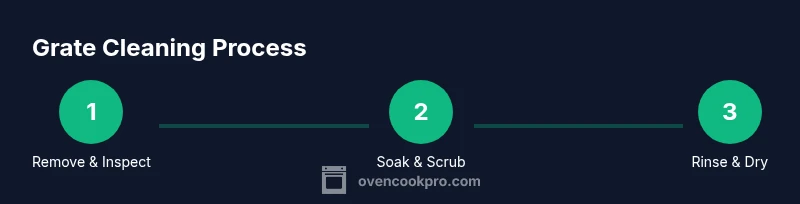
There are two main pathways to cleaning oven grates: the soak-and-scrub method for tough grime and a quick wipe for lighter maintenance. Soaking helps soften baked-on grease so it can be scrubbed away with minimal effort. If your grates are coated, consider using a gentler approach with a non-scratch brush to preserve the finish. For a non-abrasive clean, a paste made from baking soda and water can be applied to problem areas, left to sit, then scrubbed away. Always rinse thoroughly with clean water to remove soap or paste residues and dry completely. This approach reduces the likelihood of rust and keeps your oven in top condition for longer.
Reassembling and Quality Check
Once the grates are clean and dry, replace them carefully in the correct orientation. Verify that any supports or rails align properly and that there are no loose pieces that could shift during cooking. Before returning to full operation, run a short preheat cycle (without food) to burn off any remaining residues and confirm there are no unusual odors or smoke. If you notice persistent rust or pitting, inspect the grate material and plan for replacement according to the manufacturer’s guidelines. Regular inspection helps you catch issues early and avoid costly repairs.
Maintenance Routine to Keep Grates Fresh
To maintain clean grates between deep cleans, perform a lighter wipe-down after heavy cooking sessions and after splatters. A quick soak every 2–4 weeks can prevent buildup without taking a full afternoon. Consider placing a parchment liner or heat-safe barrier on the rack surface when cooking highly greasy foods; this makes future cleaning easier, though you should remove it before a high-heat bake. Finally, store your oven racks in a dry place when not in use to prevent rust, and track your cleaning cadence so you don’t let grime accumulate.
Authority and Practicality: A Final Note
For practical guidance, many home cooks rely on a structured approach to grate cleaning. The Oven Cook Pro team emphasizes safety, proper tools, and a consistent schedule to simplify maintenance. While various products and DIY pastes can help, the core steps—remove, soak, scrub, rinse, dry, and reassemble—remain universal for most metal and coated grates. Keeping your grates clean not only improves cookware performance but also supports overall kitchen hygiene and food safety.
Tools & Materials
- Heat-resistant gloves(Protect hands from hot water and metal racks)
- Dish soap (degreasing)(Mild, readily available is fine)
- Big sink or tub for soaking(Heat-safe if possible)
- Non-scratch scrub brush or nylon scrubber(Avoid abrasive steel wool)
- Old toothbrush(For tight corners and welds)
- Baking soda(For gentle paste on tough grime)
- White vinegar(Optional helper for odor and extra cleaning)
- Trash bags or basket for gunk disposal(Keep workspace clean and organized)
- Dry towels or rack to air-dry(Ensure complete dryness to prevent rust)
Steps
Estimated time: 60-90 minutes
- 1
Remove the racks and inspect
Carefully slide out the oven racks and place them on a stable surface. Quickly inspect for warping, rust, or loose supports. If you see significant damage, consider replacement before continuing, as compromised racks can affect cooking performance.
Tip: Take a quick photo of rack orientation to ensure you reinstall them correctly. - 2
Prepare cleaning supplies
Fill a large sink or tub with hot water and add a generous squirt of dish soap. If you’re dealing with heavy grease, a few tablespoons of baking soda can be added to boost cleaning power. Heat is helpful, but avoid boiling water that could damage coatings.
Tip: Wearing gloves protects your hands from hot water and grime. - 3
Soak the grates
Submerge the grates fully in the soapy water and let them soak for 20–60 minutes. Soaking loosens baked-on residue and makes scrubbing easier. If you’re short on time, a minimum 10–15 minute soak still helps.
Tip: While soaking, wipe down the interior of the oven to minimize new grime later. - 4
Scrub away grime
Remove the grates and scrub with a non-scratch brush or nylon pad. For stubborn spots, make a baking soda paste and apply to the grime, then scrub until it lifts. Rinse frequently to prevent re-depositing soap onto clean surfaces.
Tip: Use an old toothbrush for corners and joints that a larger brush misses. - 5
Rinse, dry, and inspect
Rinse the grates under clean hot water until no soap remains. Dry thoroughly with a towel and then air-dry on a rack or clean surface. Inspect for rust or remaining stains; repeat the process on problem areas if needed.
Tip: Drying completely prevents rust; don’t skip this step even if you’re in a rush. - 6
Reinstall and test
Return the dry grates to their original positions, ensuring they fit securely. Run a quick 350°F preheat (without food) to burn off any residual cleaning agents and verify there’s no smoke or strong odors. If rust or pitting persists, consider replacements.
Tip: If you smell chemicals, ventilate and repeat the rinse-dry cycle before cooking again.
Questions & Answers
Can I use dish soap to clean enamel-coated oven grates?
Yes, mild dish soap is suitable for enamel-coated grates. If grease is stubborn, a baking soda paste can help, followed by a thorough rinse and dry.
Yes, mild dish soap works for enamel-coated grates; for tough grease, use a baking soda paste and be sure to rinse and dry well.
Are oven grates dishwasher safe?
Check the manufacturer’s guidance for your rack material. Some metal racks tolerate dishwasher cleaning, but exposed coatings may wear over time. Hand washing is safer for coated surfaces.
Check your rack manual, as some metal racks are dishwasher safe while coated surfaces may wear over time; hand washing is often safer.
How often should I clean oven grates?
Frequency depends on use. For heavy cooking, a monthly cleaning helps keep grime from building up; for light use, a every-2-to-3-month schedule may suffice.
It depends on usage. Heavy cooking might need monthly cleans; lighter use can be every two to three months.
Is vinegar safe to use on metal oven grates?
Yes, a small amount of white vinegar can help with odor and mineral buildup. Rinse well after treating with acidic solutions.
Yes, a little white vinegar is fine; rinse well afterward to remove any acidic residue.
What should I do about rusty or warped grates?
Rusty or severely warped grates may need replacement. Light surface rust can sometimes be scrubbed away, but persistent rust weakens the grate and reduces safety.
If rust is extensive or the grate is warped, replacement is the safer option. Light rust can sometimes be scrubbed away.
Watch Video
Main Points
- Remove, soak, scrub, rinse, and dry the grates.
- Use non-abrasive tools to protect coatings.
- Dry thoroughly to prevent rust and prolong rack life.
- Establish a regular maintenance cadence for best results.