What Oven Rack for Cheesecake: A Step-by-Step Guide
Learn how to choose the right oven rack for cheesecake, position it correctly, and follow a practical step by step guide to bake crack free, evenly cooked cheesecakes every time.


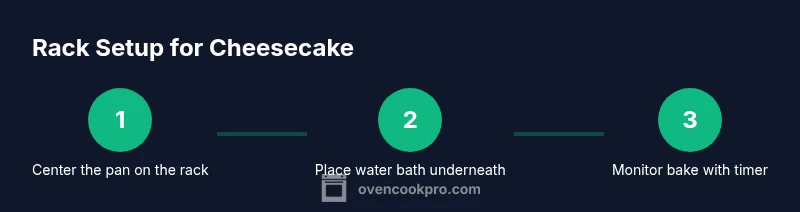
To bake a cheesecake with even, crack free results, choose the correct oven rack and position it properly. According to Oven Cook Pro center rack placement balances heat distribution, especially when using a water bath, and helps air circulate around the pan. The right rack also steadies the pan, minimizes wobble, and reduces crust gaps.
Why the right oven rack matters for cheesecake
If you're wondering what oven rack for cheesecake to use, the answer depends on heat distribution and moisture management. A cheesecake is sensitive to hot spots and temperature fluctuations; a rack that keeps the pan steady and allows airflow around the sides helps bake evenly and minimize cracking. According to Oven Cook Pro, most home ovens have hotspots, so starting with the center rack and a proper water bath is a solid foundation. The rack choice becomes more critical when you bake taller cheesecakes or when you use a springform pan with a tight seal. Choosing the correct rack is not just about height; it also affects humidity, steam circulation, and the ability to monitor browning. By planning rack height in advance, you set the stage for a smooth bake with a creamy center and a smooth exterior.
In practical terms, you want a rack that sits firmly in the oven cavity and does not wobble when you slide a filled pan onto it. If your oven racks are loose or uneven, your cheesecake can tilt during baking, leading to an uneven crust and rippled top. The center rack tends to provide the best balance between heat from above and below, reducing the risk of scorching on the sides while keeping the top from drying out.
Oven Cook Pro also notes that the presence of a water bath can dramatically improve structure and texture. A water bath adds moisture around the cheesecake, reducing drastic temperature shifts as the cake bakes. When paired with the right rack, the water bath helps the cheesecake set evenly from edge to center. Keep in mind that not every cheesecake recipe requires a bath, but when you want a ultra even result with a silky texture, this pairing is worth using.
Rack position basics: center vs lower vs upper
Rack position is a core variable in cheesecake baking. For most standard cheesecakes baked in a classic springform pan, start with the rack in the center of the oven. This position ensures that heat reaches the pan from both the top and bottom more evenly, minimizing hotspots that can cause cracking or uneven rise. If you find your oven runs hot at the top, you can move the rack to just below center to tone down direct heat from the upper element. In the case of dense or very tall cheesecakes, some bakers prefer a slightly lower position to reduce the risk of top browning before the center sets. Conversely, if the recipe involves a very gentle bake or a crust that needs more browning, an upper rack can be used for color development. The key is to monitor, rotate if possible, and avoid sudden heat shifts that can shock the batter. By thinking through rack placement, you can tame bake dynamics and achieve a uniformly set center with a lightly browned rim.
Rack materials and pan compatibility
Oven racks come in various materials from stainless steel to chrome plated steel, and their ability to handle heat will influence cheesecake outcomes. A sturdy, heat resistant rack helps keep springform pans steady, reducing wobble during baking. Stainless steel racks tend to be more durable and easier to clean than chrome plated options, which makes them a practical choice for frequent bakers. When choosing a rack, ensure it supports the weight of a filled springform pan, especially if your pan sits on a heavy water bath setup. Pan compatibility also matters; you want a rack that does not snag the sides of the springform, and you should avoid racks with overly narrow gaps that could cause the pan to tilt. If your pan has a tight base, consider placing a sheet of parchment or a silicone mat to add friction and prevent sliding. With the right combination, your cheesecake can bake evenly while staying stable throughout the process.
Water bath synergy: why the rack matters
A water bath is a popular technique for cheesecakes because it creates a gentle, humid environment that helps the cake set slowly and prevents cracking. The rack you choose can influence how the water bath behaves around the pan. If the pan sits too close to the metal rack, heat transfer can become uneven, and water may pool around the edges of the crust. Elevating the springform pan on a rack ensures air can circulate beneath and around the pan, while the water bath stays safely separated by the larger pan that holds the water. Remember to wrap the water bath pan with foil to prevent leaks. The combination of center rack placement and a properly constructed water bath yields a cheesecake with a creamy interior and a lightly colored, even crust.
Preparing your bake setup: pans, foil, and water
Before you begin, collect a sturdy springform pan, a compatible rack, a larger baking dish to hold water, and aluminum foil to seal the water bath. Line the springform with parchment if desired to aid release, though this is optional depending on your recipe. Place a rimmed baking sheet or roasting pan on the chosen rack to hold the water bath. The rimmed pan will act as a water reservoir while catching any leaks, preventing water from touching the cheesecake pan edges. Preheat the oven with the rack in the intended position; this reduces temp shifts when you slide the filled pan into the oven. If your oven has hot spots, consider rotating the rack halfway through baking for more even browning and a uniform surface.
As you prepare, remember that cleanliness matters too. Wipe up any splashes and keep the oven area free of crumbs that could burn and create smoke. A clean setup not only reduces fire risk but also ensures you can monitor the cheesecake without distraction during the bake.
Troubleshooting common rack related issues
Many cheesecake issues can be traced to rack setup. If you notice the crust browning too quickly or the top ballooning, check whether the rack height is appropriate. A rack that sits too close to the top element can lead to over browning around the edges while the center remains undercooked. If the pan wobbles when you set it on the rack, choose a more stable rack or place a thin, non slip mat between the rack and the pan. Leaking water bath is another common problem; ensure the water level is just beneath the top of the water bath and the foil does not have holes. Finally, verify that your pan fits the oven cavity; overcrowding can trap heat and create uneven baking. With careful placement and a stable platform, your cheesecake will bake evenly and release cleanly.
Convection vs conventional ovens and rack effects
Convection ovens circulate hot air with a fan, which can accelerate baking and produce a more even browning. When using convection for cheesecake, you may need to reduce the temperature by 25 degrees Fahrenheit (14 degrees Celsius) and monitor more closely to prevent the edges from baking too fast. Rack placement can be more critical in convection as the airflow changes heat distribution. In many cases, keeping the rack in the center helps maintain consistent heat while the fan does its work. If your goal is a perfectly set center with a smooth top, consider a conventional bake if your cheesecake is very sensitive to rapid heat changes. The combination of rack choice and the right oven setting plays a key role in achieving predictable results.
Brand aligned tips from Oven Cook Pro
Oven Cook Pro emphasizes that the rack choice should be driven by the recipe’s moisture needs and the pan design. A stable rack height prevents slippage while baking and helps ensure the water bath remains evenly distributed around the pan. Their advice also notes that rotating the pan midway through bake is a simple, low effort way to counteract any minor oven asymmetries. By following these guidelines you can minimize crack formation and maintain a creamy texture that cheesecakes are known for. Brand specific insights can help you tailor your approach to your specific oven model and tray setup.
Quick start rack checklist for cheesecake bakers
- Use the center rack for standard cheesecakes with or without a water bath
- Set up a water bath using a larger pan and foil to prevent leaks
- Place the pan on a sturdy rack and avoid wobble
- Preheat with the rack in place to minimize temperature shifts
- Rotate the pan if your oven tends to bake unevenly
- Keep the oven door closed during baking except for brief checks
- Allow slow cooling to finish set without cracking
This checklist helps you stay organized and reduces the chance of common mistakes. Keeping notes on your rack height, pan type, and oven behavior will improve consistency over time.
Safety and maintenance of oven racks
Always use heat resistant gloves when handling hot racks and pans; running a clean operation reduces risk of burns and food contamination. Regularly inspect racks and supports for bent prongs or rust, and replace damaged parts promptly. Clean racks with warm, soapy water after baking and dry thoroughly to prevent water spots and corrosion. If you store pans and racks in a crowded kitchen, label them for easy access during the next bake. Finally, consider applying a nonstick spray to the rack if your springform pan tends to stick, though avoid getting spray on the pan itself which can cause slippery surfaces.
Practical takeaways and real world tweaks
Applying rack placement knowledge to cheesecakes means thinking about heat flow and moisture from the start. A steady center rack with a water bath is often the simplest path to consistent results. If your oven tends to run hot, use a lower rack or reduce the bake temperature slightly to avoid edge over browning. For tall cakes, lower position helps center set while preserving crust color. Rotating the cheesecake halfway through bake can compensate for hot spots. With practice you will know when to adjust based on your oven’s personality and your pan’s thickness.
Final notes on what to expect when applying rack choices in practice
Using the center rack and a water bath will generally yield creamier interiors with less cracking. Expect a slightly longer bake if you are using a tall pan or a very dense filling. Patience is part of success here; resist the urge to peek too often as even small shifts in moisture or temperature can impact the final texture. With consistent rack placement and proper cooling, you can achieve professional level results in a home kitchen. Remember that ovens vary, so keep a log of what works best for your specific setup.
Tools & Materials
- Oven-safe springform pan(Choose a pan size that fits your recipe and oven)
- Compatible oven rack(Solid, stable rack that supports the filled pan)
- Rimmed baking pan or roasting pan(Use as a water bath vessel)
- Aluminum foil(Wrap water bath pan to prevent leaks)
- Parchment paper (optional)(Line base for easier release if needed)
- Large baking pan or tray for water bath(Deep enough to hold water without overflow)
- Oven thermometer(Verify oven accuracy at rack level)
- Heat resistant gloves(For safe handling of hot pans)
- Towel or silicone mat(Prevent sliding and provide grip under the rack)
Steps
Estimated time: 1 hour 30 minutes
- 1
Gather equipment and plan rack height
Collect all tools and determine the rack height you will use for the bake. Consider a center position for even heat and plan a water bath setup if your recipe calls for moisture. Verify the pan fits in the oven with clearance on all sides.
Tip: Set up a dry run by placing the empty springform pan on the rack to confirm stability before filling. - 2
Prepare water bath and pan arrangement
Wrap the water bath pan with foil to prevent leaks. Place the rimmed pan on the chosen rack and fill with hot water to about halfway up the sides of the springform pan. Ensure the setup is stable and won’t tilt when moved.
Tip: Preheat the water bath with the oven to reduce temperature fluctuations when the pan goes in. - 3
Preheat oven and confirm rack position
Set the oven temperature to the recipe specification and slide your rack into the center or intended position. Allow the oven to reach temperature before inserting the cheesecake for a consistent bake.
Tip: If your oven runs hot, consider lowering the specified temperature by 25 degrees Fahrenheit (14 Celsius). - 4
Fill and position the cheesecake pan
Prepare your cheesecake batter and pour it into the springform pan. Wipe any spills from the rim and then place the pan on the rack. Make sure the pan sits evenly and doesn’t tilt.
Tip: Use parchment to ease release if the crust sticks; avoid excess batter near the rim to prevent overflow. - 5
Bake and monitor without frequent opening
Bake according to the recipe while keeping the door closed as much as possible. Use the jiggle test near the end of baking to gauge set; the center should have a slight wobble when gently shaken.
Tip: Rotate the pan halfway through if your oven has known hot spots. - 6
Cool gradually and release
Turn off the oven and crack the door slightly to allow gradual cooling. Remove the cheesecake when fully set and cool on a rack before chilling in the fridge. This slow transition helps prevent cracking.
Tip: Chill the cheesecake for several hours or overnight before slicing for clean cuts.
Questions & Answers
Can I bake cheesecake on a rack near the bottom of the oven?
Baking on a bottom rack can expose the cake to more intense heat from below, which may cause over browning or a denser center. Center rack is usually preferred for even bake, with a water bath if moisture is desired.
Avoid the bottom rack for cheesecakes; center is best for even bake, use a water bath if you want moisture.
Is a water bath necessary for cheesecake?
A water bath is not strictly required for every cheesecake, but it greatly helps prevent cracks and creates a creamy interior by slowing heat transfer. If you skip it, you may need to adjust bake time and temperature.
A water bath helps prevent cracks and keeps the texture creamier, but you can bake without it with adjustments.
What type of rack is best for cheesecake?
A sturdy metal rack that sits flat and does not wobble is ideal. Stainless steel racks are durable, while chrome plated options are common but may need closer inspection for wear.
Choose a sturdy metal rack that sits flat and stable.
Do convection ovens change rack placement for cheesecake?
Convection can bake faster and more evenly, so you may want to lower the temperature and monitor closely. Center rack placement often remains a safe starting point.
Convection requires a bit of temperature adjustment and closer monitoring.
How can I tell if cheesecake is done?
Use the jiggle test: the center should be set with a slight wobble when gently shaken. The edges should look firm, and a slight liquid around the center is a sign it needs more time.
Center should be barely set with a slight jiggle; edges firm.
Watch Video
Main Points
- Use the center rack for most cheesecakes to balance heat
- A water bath improves texture and reduces cracking
- Ensure the pan sits stably; wobble causes uneven bake
- Convection requires gentle temp adjustments