Prestige Gas Oven: A Practical How-To Guide for Home Cooks
Learn to safely operate, preheat, bake, and maintain a Prestige gas oven with step-by-step guidance, safety tips, and expert technique from Oven Cook Pro. This guide covers setup, troubleshooting, and best practices for consistent results.


According to Oven Cook Pro, a Prestige gas oven offers precise gas control for consistent baking and roasting. This guide shows you how to safely set up, preheat, select temperatures, and monitor cooking, with practical tips for even heat and easy maintenance. Essential prerequisites: ventilation, correct gas line, compatible cookware, and reference to your model manual.
Understanding the Prestige Gas Oven
A Prestige gas oven is designed to deliver consistent heat using gas combustion, rather than electric coils alone. For home cooks, this often translates to superb browning and responsive temperature changes. The term Prestige gas oven covers multiple models in a line known for reliability and mid-range price, offering bake and broil modes, with some units featuring convection and self-cleaning options. When you follow this guide, you’ll learn to maximize performance, maintain energy efficiency, and handle safety considerations. The Oven Cook Pro team recommends starting with your model’s manual to confirm exact controls and features, since variations exist across different Prestige ovens. In practice, you’ll notice that preheating, rack placement, and oven venting all influence how evenly heat is distributed, especially in larger roasts or multi-batch bakes. This section lays the groundwork for practical, hands-on use that you can apply in everyday cooking.
Key Features and What They Do
Beneath the door of a Prestige gas oven you’ll typically find a gas burner that heats the cavity through radiant heat and, in some models, a convection fan. Core features include a programmable timer, adjustable bake and broil temps, and a range of rack positions. The goal is precise control: a stable oven temperature reduces hot spots and undercooked centers. If your model includes convection, you’ll benefit from more uniform air movement, which speeds cooking and improves browning. Safety features may include a flame sensor, automatic shutoff, and a storage pan for drip collection. Because models vary, always consult your user manual. In general, practice with simple bake tests to verify that your oven holds temp within 20-30 degrees of target across a 45-60 minute window; this sanity check helps you plan larger meals with confidence. The key takeaway is understanding which features you have and how to leverage them for consistent results.
Safety Compliance and Ventilation
Safety begins long before you turn a dial. Ensure your kitchen has adequate ventilation, especially when testing new recipes or using higher heat settings. Install a carbon monoxide detector nearby and keep a working exhaust hood or vent fan on during operation. Always check that the gas shut-off valve is accessible and in good condition, and never operate the oven if you detect a gas odor. When in doubt, pause cooking and call a licensed technician. The Oven Cook Pro team emphasizes following local codes and your model’s safety guidelines to prevent accidental gas buildup or fire hazards.
Preheating and Temperature Control Principles
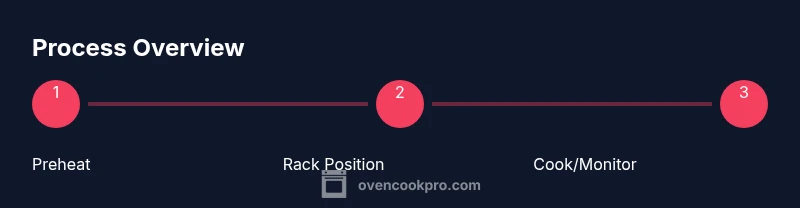
Preheating a Prestige gas oven helps stabilize the interior temperature for even baking. Start by setting the oven to the target temperature and allow to preheat for the recommended time in the manual, typically 10-15 minutes for standard batches. Use an oven thermometer to verify the actual temperature at the center rack, as gas ovens can run hotter or cooler than the dial indicates. If you notice persistent temperature drift, consider calibrating the thermostat per the manual or using manual temperature adjustments in future bakes. Consistent preheating is especially important for delicate pastries and roasting large cuts of meat, where uneven heat can ruin texture and color.
Rack Placement and Cooking Techniques
Racks should be placed according to the recipe: center for most roasting and standard baking, upper for broiling, and lower for longer, slower roasts. When air is moving (convection), position can be slightly higher or lower depending on whether you want more browning on top or even throughout. Use the correct bakeware—heavy-duty metal pans for even heat and avoid glass if your recipe requires high temperatures. Opening the door frequently challenges heat stability, so plan batches thoughtfully and rely on timers and thermometers for accuracy.
Cleaning and Maintenance for Longevity
Regular maintenance extends the life of your Prestige gas oven. Wipe spills after cooling, avoid harsh abrasives, and check seals periodically for wear. For self-cleaning models, follow the manufacturer’s guidance, using short cycles and ample ventilation. If your oven has a storage drawer or a drip pan, clean these components as part of routine maintenance. Keeping the interior dry and free of residues helps prevent off-flavors and ensures reliable heat distribution.
Troubleshooting Common Issues
Unpleasant odors, uneven browning, or inconsistent temperatures are common concerns. Start with basic checks: ensure the door seal is intact, racks are correctly positioned, and the gas flame is steady and blue (yellow tips may indicate incomplete combustion). If you notice weak heat or hot spots, rotate pans, allow extra preheating time, and verify calibration with an oven thermometer. For persistent problems, consult the manual or contact a qualified technician. The goal is to isolate whether the issue is temperature, airflow, or a component failure.
Energy Efficiency and Cost of Operation
Gas ovens can be energy-efficient when used with a routine that minimizes heat loss. Practice batch cooking to reduce door openings, preheat only as needed, and use convection when appropriate to shorten cooking times. Keep the oven door closed during long cooking cycles and ensure proper venting to avoid heat buildup in the kitchen. While precise energy savings depend on model and usage, disciplined operation yields noticeable reductions in running costs over time.
Choosing the Right Prestige Model and Accessories
Different Prestige models offer varying features such as convection, multiple broil settings, and self-cleaning. When choosing, consider your typical cooking load, preferred rack positions, and whether you want convection or standard bake mode. Accessories like an upgraded rack system, oven-safe thermometer, and high-quality bakeware can improve results and reduce hot spots. Always compare model specifications and read user reviews to align with your cooking style.
Quick-Start Cooking Principles for Prestige Gas Ovens
For fast, reliable results, start with clean cookware, preheat properly, and place items in the center of the oven. Temperatures may need slight adjustment from recipe values; use a thermometer to verify. Practice with a few simple bakes or roasts to understand how your specific model behaves and build confidence for more complex meals.
Tools & Materials
- Gas supply line and shut-off valve(Have a licensed professional verify installation per local codes.)
- Ventilation hood or exhaust fan(Keep the area well-ventilated during operation.)
- Oven thermometer(Place it in the center of the rack for accurate readings.)
- Oven-safe cookware (metal pans, sheets, and racks)(Avoid glass for very high heat unless recipe specifies.)
- Heat-resistant gloves(Protect hands when placing or removing hot items.)
- Timer (digital or smart device)(Helpful for tracking bake times without opening the door.)
Steps
Estimated time: 30-45 minutes
- 1
Inspect and prepare the oven
Before first use or after a long gap, inspect the oven for cleanliness and check the door seal. Confirm gas line is secure and the vent hood is functioning. This initial check minimizes safety risks and ensures even heating during cooking.
Tip: Always verify the gas shut-off is accessible and clearly labeled. - 2
Preheat to target temperature
Set the oven to the recipe’s required temperature and allow it to preheat for 10-15 minutes. Use an oven thermometer to confirm the interior temperature matches the dial setting, adjusting if needed.
Tip: Avoid opening the door during preheat to maintain temperature stability. - 3
Position racks and prepped cookware
Place racks in the recommended position (center for most baking and roasting). Arrange pans with space around them for air circulation. Avoid stacking cookware too tightly to prevent heat stagnation.
Tip: Leave space between pans for even airflow. - 4
Load food and set timer
Insert food securely and start the timer according to the recipe guidelines. For meat, use a probe thermometer if available to monitor internal temperature.
Tip: Use mid-range temperatures for slower, even cooking when using racks in the middle of the oven. - 5
Monitor and adjust as needed
Check progress at key milestones, rotating pans if your recipe calls for it. If browning is uneven, adjust rack height or switch to convection mode if available.
Tip: Trust thermometer readings over visual cues alone. - 6
Cool, vent, and clean after use
Allow items to rest briefly before removal to prevent burns and moisture loss. After cool-down, wipe spills and perform light cleaning to maintain performance.
Tip: Ventilation helps preserve kitchen safety and odor control.
Questions & Answers
What is a Prestige gas oven best used for?
Prestige gas ovens excel at roasting and baking with precise heat control. They respond quickly to temperature changes, making them suitable for everything from cookies to large roasts. Always start with the manual to understand your model's capabilities and limitations.
Great for roasting and baking thanks to precise heat; start by consulting your manual for your exact model.
How do I preheat safely?
Preheat with the door closed and monitor the dial and thermometer. If you detect a gas odor, turn off the supply and call a professional. Ensure ventilation is active during preheating.
Preheat with the door closed and watch the thermometer; if you smell gas, stop and seek help.
Do Prestige gas ovens require special venting?
Yes, proper kitchen ventilation is important. Use a range hood or exhaust fan and ensure the area is well-ventilated according to local codes and the manufacturer’s guidance.
Ventilation is important; use a hood and follow local codes.
Can I calibrate the oven temperature?
If you notice temperature inconsistencies, use an oven thermometer to check accuracy and adjust using the oven’s thermostat control within the manual’s guidelines.
Yes, check with a thermometer and adjust as recommended in the manual.
Is self-cleaning available on Prestige gas ovens?
Some models offer self-cleaning options. If yours does, follow the specific cycle instructions and ensure good ventilation during the cycle.
Some models have self-cleaning; follow the manual for best results.
What should I do about uneven heating?
Rotate trays and adjust rack positions halfway through cooking. If the oven’s heat remains inconsistent, you may need calibration or professional inspection.
Rotate cookware and check calibration if heat is uneven.
Watch Video
Main Points
- Preheat properly for even results
- Use correct rack positions for best browning
- Calibrate temperature with an oven thermometer
- Keep ventilation active during operation
- Regular cleaning extends oven life