Oven Enchiladas: Your Complete Step-by-Step Guide
A comprehensive, beginner-friendly guide to making oven enchiladas with tasty fillings, rich sauce, and a crisp-cheesy finish. Includes prep steps, troubleshooting, variations, and make-ahead tips from Oven Cook Pro.


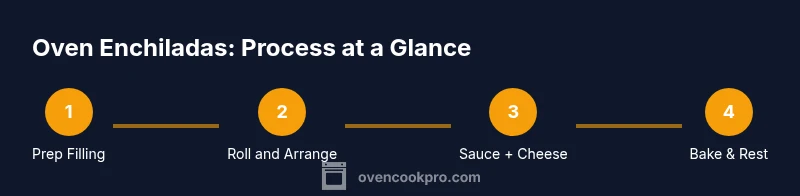
In this guide you will learn to make oven enchiladas from start to finish: plan fillings, gather sauce and cheese, roll tortillas, bake until bubbling, and rest before serving. You’ll need tortillas, enchilada sauce, cheese, a protein or beans, a baking dish, and an oven. This step-by-step approach yields juicy fillings with a lightly crisp exterior.
What Are Oven Enchiladas?
Oven enchiladas are rolled tortillas filled with protein, beans, or vegetables, then bathed in a savory sauce and topped with cheese before being baked in the oven. The slow, even heat allows the tortillas to soften without breaking, the filling to meld with the sauce, and the cheese to form a bubbly, flavorful crust on top. According to Oven Cook Pro, the magic lies in balancing tortilla texture, filling moisture, and sauce richness so every bite delivers tenderness and brightness. This dish adapts to many diets, from protein-packed poultry or beef fillings to vegetarian and vegan variations, making it a reliable weeknight option that can feed a crowd or a family of four.
Throughout this guide you’ll see practical tips, product-agnostic recommendations, and tested methods for consistent results. The goal is to give you a dependable framework—so you can customize flavors while keeping the core technique solid and repeatable for future dinners.
Core Components: Tortillas, Filling, Sauce, and Cheese
The backbone of oven enchiladas is a simple quartet: tortillas, a flavorful filling, enchilada sauce, and cheese. Corn tortillas are traditional and offer excellent flavor, while flour tortillas provide pliable texture for larger rolls. The filling can be protein-based (shredded chicken, beef, pork) or plant-based (beans, lentils, roasted vegetables). Sauce should complement the filling—roasted tomato-based red sauce for meat, or green tomatillo for a fresher, tangier profile. Cheese binds everything together and melts into a glossy top layer. Optional Garnishes like chopped cilantro, onions, or avocado add brightness. The key is balance: enough moisture for tenderness, but not so much that the enchiladas sog in the baking dish.
As you plan, consider batch size and dish depth. A 9x13-inch dish works well for most families, with 12-16 tortillas depending on size. Reserve some sauce to spoon over after baking for a glossy, saucy finish. If you prefer a crisp edge, finish with a brief broil at the end, but stay attentive to prevent scorching.
Planning Your Filling: Proteins, Veggies, and Seasonings
Choosing the right filling dictates the overall flavor and texture. Start with a protein or bean base: shredded chicken or seasoned black beans are reliable staples. Add aromatics like onion, garlic, and bell pepper for depth, plus spices such as cumin, chili powder, and smoked paprika for warmth. If you want a vegetarian option, roasted vegetables (zucchini, mushrooms, corn) blend beautifully with beans for a hearty center. For extra richness, fold in a small amount of cheese or sour cream into the filling. Prepare fillings ahead of time so they cool enough to handle when you roll.
To ensure even distribution and moisture, avoid overfilling tortillas. Lightly season each component and taste as you go; you want a cohesive filling that doesn’t leak when rolled. This approach reduces middles that are dry and edges that are mushy, keeping every bite satisfying.
Making a Flavorful Enchilada Sauce
Sauce is the flavor anchor of oven enchiladas. You can use a store-bought enchilada sauce or make a quick, homemade version with simmered tomatoes, aromatics, and spices. A good sauce should be thick enough to cling to the tortilla but not so thick that it becomes gluey. Balance acidity with a touch of sweetness (sugar, honey, or roasted peppers) and add a pinch of salt to boost all flavors. If you’re short on time, a high-quality canned sauce can work well, but customize it with garlic, cumin, and a splash of lime to brighten the profile.
For a deeper, richer finish, simmer the sauce with a bit of chicken stock or vegetable stock. Taste frequently and adjust salt and heat to your preference. The result should be a glossy, flavorful liquid that readily coats the tortillas without pooling at the bottom of the dish.
Assembly: Rolling and Arranging Enchiladas
Assembling enchiladas is a practice in steady hands and consistent technique. Warm tortillas briefly to make rolling easier and less prone to tearing. Spoon a modest amount of filling onto each tortilla, roll tightly, and place seam-side down in a lightly oiled baking dish. Repeat until the dish is filled evenly, leaving space for sauce and cheese on top. Pour sauce over the rolls, ensuring every tortilla is coated, then sprinkle a generous layer of shredded cheese. A final drizzle of sauce or a few drops of enchilada oil can help with moisture and flavor distribution. If you’re adding toppings like olives, corn, or jalapeños, scatter them evenly before baking.
Pro tip: align the tortillas with their seams facing down to minimize unrolling during baking. This keeps filling neatly inside and ensures consistent cooking throughout the dish.
Baking for Texture and Moisture: Temperature, Time, and Covering
Preheat your oven to a steady temperature suitable for slow, thorough cooking. Cover the pan tightly with foil to trap steam and soften the tortillas, then bake until heated through and the cheese has melted into a glossy crust. Uncover near the end to let the top brown slightly for a more appealing finish. Proper bake time depends on dish depth and filling density; aim for a bubbling center with edges that are lightly caramelized and edges where cheese forms a delicate crust. For a crispier top, finish with a brief broil, watching closely to avoid scorching.
Seasonal and regional preferences can shift the timing, so use visual cues—bubbling sauce, softened tortillas, and fully melted cheese—as your guide. Resting the dish briefly after baking lets the sauce reabsorb into the filling and makes slicing easier and cleaner.
Resting, Serving, and Leftovers
Let the enchiladas rest for a few minutes after removing from the oven. Resting helps the filling firm up slightly and makes it easier to cut, while the sauce thickens and coats each slice more evenly. Slice and serve with fresh toppings like cilantro, diced onion, avocado, or a dollop of sour cream. Leftovers store well in an airtight container in the fridge for several days and can be reheated in the oven or microwave. To refresh leftovers, reheat gently with a splash of sauce to keep the rolls moist and flavorful.
Oven Cook Pro notes that proper resting improves texture and mouthfeel, and suggests pairing enchiladas with a simple side like rice or a light salad to balance richness. This simple pairing keeps your meal approachable even on busy nights.
Troubleshooting Common Issues and Variations
If tortillas crack during rolling, warm them longer or wrap them in a damp towel and microwave briefly to restore flexibility. If enchiladas come out dry, increase sauce ratio or mix some sauce into the filling before rolling. For a spicier version, add jalapeños or chipotle peppers to the filling or sauce. Gluten-free options can be achieved with certified corn tortillas and gluten-free thickeners in the sauce. You can also swap proteins (or use roasted vegetables) to suit dietary needs. Finally, consider a verde or mole variation for a different flavor profile without changing the core technique.
A well-balanced filling that isn’t overly wet or dry is the key to consistent results. If your dishes vary in size or shape, adjust the number of rolls per layer to maintain even bake.
The Oven Cook Pro team reminds home cooks that technique matters more than exact ingredients; mastering the roll, sauce distribution, and bake timing yields reliably delicious enchiladas every time.
Make-Ahead, Storage, and Cleanup Tips
To streamline weeknight cooking, you can pre-make fillings and sauce, assemble the rolls, and refrigerate them unbaked for up to a day. Bake directly from the fridge, adding a few extra minutes to ensure the center heats through. Freezing assembled enchiladas is possible but may affect texture; if freezing, freeze without sauce, then add sauce and cheese after thawing to avoid soggy tortillas. Clean as you go: wipe spills, line your baking dish with parchment or foil for easier cleanup, and store leftovers in airtight containers. Reheat gently to preserve moisture and texture.
The Oven Cook Pro team emphasizes organization and timing; a little prep work ahead of time reduces stress and guarantees a smoother cooking experience for busy households.
Tools & Materials
- Corn tortillas (6-inch) or flour tortillas(12-16 tortillas depending on size and number of enchiladas desired)
- Enchilada sauce(Red or green; store-bought or homemade)
- Shredded cheese(Cheddar, Monterey Jack, or a blend; 2-3 cups depending on dish size)
- Filling option (cooked chicken, beef, or beans)(Choose one base; vegetarian options work well)
- Optional garnishes(Chopped onions, cilantro, avocado, sour cream)
- Baking dish(9x13 inch; lightly greased or lined with foil/parchment)
- Aluminum foil(To cover during the initial bake)
Steps
Estimated time: 60-75 minutes
- 1
Preheat and prep
Set your oven to a steady temperature and prepare all mise en place. Preheating ensures even cooking and predictable texture for the tortillas and filling. Have your sauce warm but not boiling to help with rolling and coating.
Tip: Allow the oven to fully reach the target temperature before you start assembling. - 2
Prepare the filling
Sauté aromatics and protein or beans with spices until heated through and well seasoned. Balance moisture so the filling isn’t dry but not soupy. Let it cool slightly before filling tortillas.
Tip: A cool filling avoids tearing the tortillas and helps them roll neatly. - 3
Warm the tortillas
Warm tortillas briefly to make them pliable; use a damp cloth or a warm griddle. This reduces cracking when rolling and helps the seams stay closed.
Tip: Overheating can make tortillas soggy or brittle—keep them flexible, not soft. - 4
Assemble the rolls
Place a modest amount of filling on each tortilla, roll tightly, and arrange seam-side down in the baking dish. Repeat until the dish is fully filled with evenly spaced rolls.
Tip: Even spacing ensures uniform baking across the pan. - 5
Sauce and cheese
Pour sauce over the rolls until they are generously coated. Sprinkle cheese evenly over the top to create a bubbled, golden crust.
Tip: Reserve a small amount of sauce to brush on edges for extra moisture if needed. - 6
Bake covered, then uncover
Cover the dish with foil and bake until heated through; uncover to finish with a lightly browned top. The top layer should be bubbling and cheese melted.
Tip: Covering traps steam, keeping tortillas soft and interiors moist. - 7
Rest and serve
Let the dish rest briefly after baking to reabsorb moisture. Slice and serve with fresh toppings for brightness.
Tip: Resting improves texture and makes slicing cleaner. - 8
Make-ahead and storage
If making ahead, store assembled rolls unbaked in the fridge and bake later; or freeze carefully for longer storage. Reheat gently to preserve texture.
Tip: Label and date leftovers for easy weeknights.
Questions & Answers
Can I use corn tortillas instead of flour tortillas?
Yes. Corn tortillas are traditional and work well, especially for authenticity. They can crack if over-warmed, so warm them gently and roll with moderate filling to keep integrity.
Corn tortillas work well; warm gently and roll with moderate filling.
Should I preheat the oven before assembling?
Preheating ensures even cooking and consistent results. Assemble while the oven heats so everything bakes together smoothly.
Yes, preheat the oven before you start assembling.
Can I freeze assembled enchiladas before baking?
Freeze unbaked enchiladas tightly wrapped for longer storage. Thaw in the fridge overnight, then bake as directed, adding a few minutes to the bake time if needed.
You can freeze them unbaked, then bake after thawing.
How do I prevent enchiladas from becoming soggy?
Maintain a balance of sauce and filling; avoid overly wet fillings. Bake covered to trap steam, then uncover for a crisp top, and let rest before serving.
Keep moisture balanced and finish with a brief uncovered bake.
What toppings go well with oven enchiladas?
Cilantro, diced onions, avocado, sour cream, and a squeeze of lime add brightness and contrast to the rich sauce and cheese.
Try cilantro, onions, avocado, and a lime twist for fresh contrast.
Watch Video
Main Points
- Plan fillings and sauce before rolling
- Warm tortillas for easy rolling
- Cover while baking to keep moisture
- Rest briefly before slicing for clean cuts
- Customize fillings to suit dietary needs