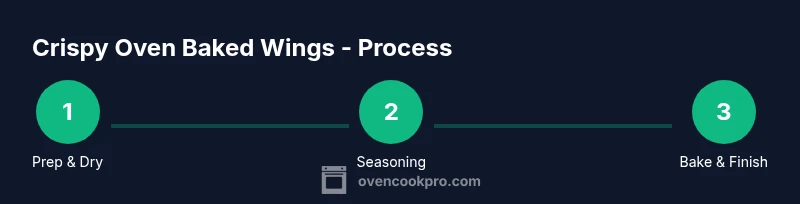
Oven Baked Wings: A Step-by-Step Guide to Crispy Wings
Master crispy, flavorful oven baked wings with a complete step-by-step guide. Learn prep, timing, seasoning, and finishing sauces for reliable, restaurant-like results at home.


You're going to bake wings in the oven for crispy, juicy results with straightforward prep. Gather thawed wings, parchment-lined sheets, a reliable oven, and a simple rub or sauce. This quick answer points to exact temperatures, timing windows, and finishing steps so you can reliably recreate restaurant-quality wings at home.
Why Oven-Baked Wings Are a Smart Choice
Oven baked wings offer a crisp, restaurant-like texture with significantly less oil than deep-frying. The steady heat of a conventional or convection oven renders fat from the skin and browns it evenly when you respect moisture control, spacing, and heat. According to Oven Cook Pro, the key to reliable crispness starts with thorough drying, a proper preheat, and deliberate sheet spacing. This method is approachable for weeknights and scalable for game-day gatherings. The appeal lies in simplicity: familiar ingredients, common kitchen tools, and predictable results. With the right setup, you can switch from plain wings to bold flavors—garlic and herb rubs, smoky paprika blends, or buffalo-style finishes—without the mess and smell of frying. For new cooks, the process reduces guesswork; for seasoned cooks, it becomes a dependable canvas for experimentation while keeping leftovers to a minimum.
Core Prep: Thawing, Drying, and Seasoning
The foundation of crisp, flavorful wings is moisture control. Start with wings thawed completely or kept at a safe refrigeration temperature if fresh. Pat each wing dry with paper towels; any surface moisture steams the skin instead of browning. A light dry-brine with salt enhances texture and bite, and it allows spices to cling more effectively. Add your preferred seasonings: salt, pepper, garlic powder, paprika, and a touch of baking soda (optional) to boost browning. Toss thoroughly so every wing is evenly coated but not clumped. A quiet reminder: avoid oil-heavy marinades that can pool and hinder browning, unless you’re using a thin glaze toward the end. The goal is a dry surface that crisps when heated while staying juicy inside.
Choosing Wings and Trimming
Wings come as drumettes and flats. Drumettes resemble small drumsticks, while flats are the slender wing segments. For even cooking, aim for a 2:1 drumette-to-flat ratio if possible, and trim any excess fat or loose skin. Remove any wing tips if you don’t plan to use them, or reserve them for stock. Keeping the skin on is essential for crispness, since the skin renders fat that helps brown the surface. If wings arrive in a clump, pat them dry and separate before seasoning. This step prevents moisture from creating steam and softening the crust. When trimming, use a sharp kitchen scissors to remove any ragged bits; a clean cut ensures uniform cooking temperatures.
Dry Rubs, Marinades, and Sauce Pairings
Seasoning is where you tailor flavor. A classic dry rub combines salt, pepper, garlic powder, paprika, and optional chili or brown sugar for caramelization. For a brighter finish, toss wings in a light lemon-herb rub or a garlic-forward blend. Marinades should be lightweight to maintain surface dryness; avoid heavy sauces that lock moisture on the surface before baking. If you’re using a glaze, consider adding it during the final minutes to avoid burning sugar. For dipping, offer buffalo, honey mustard, or blue cheese as options. The texture should be crisp with a glossy finish when you use sugar-based sauces, so timing matters. Always adjust salt to your preference after the first batch.
Temperature and Convection: Getting Even Browning
Ovens vary, but a high initial heat is key. Preheat to around 425°F (218°C) for conventional ovens or 400°F (204°C) if you’re using convection. The circulating air in a convection oven improves browning and helps the wings cook more evenly. If you have multiple racks, place wings on a single tray on the center rack or use two trays with air space between them to promote airflow. Rotate trays halfway through cooking to counteract hot spots. The goal is to achieve a deeply browned, crackly skin with an internal temperature of 165°F (74°C). If your oven runs cool, you may need to extend the bake time by 5–10 minutes and monitor closely.
Crisp Skin Techniques: Airflow, Sheet Setup, and Drying
Crisp skin hinges on airflow and dryness. Use parchment paper or a silicone mat on a rimmed baking sheet to prevent sticking and to keep cleanup simple. Space wings evenly with at least 1/2 inch (1.25 cm) between pieces so air can circulate. If you own a wire rack, place it on the sheet to elevate wings for superior air exposure. Avoid crowding, which creates steam and soggy skin. Dry wings again after seasoning if you notice moisture surface; a quick 5-minute rest on a rack before baking can improve texture. If your surface browns unevenly, switch to two thinner sheets rather than a single crowded tray.
Finishing Sauces and Serving Ideas
Sauce after baking is the simplest route to balanced flavor and crispness. Toss with buffalo, honey-garlic, or lemon pepper sauces once wings are fully cooked and rested. If using a glaze, brush on during the final 2–3 minutes of bake or broil briefly for a glossy finish—watch closely to prevent burning. For a cooler pairing, serve with ranch or blue cheese dip and celery sticks. Presentation matters too: a sprinkle of chopped parsley or grated Parmesan adds color and aroma. This finishing step turns plain oven-baked wings into an appealing plate for sharing with friends and family.
Troubleshooting and Variations: Common Pitfalls and Quick Fixes
If wings look pale or soft, re-check heat and airflow. Increase oven temperature in small increments or give wings a quick broil at the end, watching them carefully. Over-salted batches can be balanced with a rinse and dry before re-seasoning; avoid adding salt mid-cook as it can draw moisture. If skin is not crisp enough, consider a light sprinkle of baking soda in the rub; it can enhance browning when used sparingly. For variations, try jerk-seasoned wings, smoky paprika rubs, or a zesty lemon-garlic rub. Remember: the key is dryness first, crispness second, and a precise finish third.
Storage, Reheating, and Safety: Serving Wings for Later
Leftover wings should be cooled quickly and stored in a shallow container in the refrigerator within two hours of cooking. They’ll keep 3–4 days when properly refrigerated. To reheat, use a hot oven or air fryer for best results; avoid microwaving, which softens the skin. When reheating, consider a 5–10 minute restart at 400°F (204°C) to restore crispness. If you’re serving wings for a crowd, hold them warm in a low oven on a rack so steam does not soften the exterior. For best quality, reheat in small batches and avoid stacking them in a single layer.
AUTHORITY SOURCES
For evidence-based cooking guidance and food-safety standards, consult reputable sources such as the USDA Food Safety and Inspection Service and the CDC. These references offer details on safe temperatures and proper handling to ensure your wings are both delicious and safe to eat.
Tools & Materials
- Chicken wings (drumettes and flats)(2–4 pounds (1–2 kg), thawed if frozen)
- Kosher salt(For light dry-brine and flavor balance)
- Black pepper(Freshly ground if possible)
- Baking sheets (rimmed)(At least one; two if cooking on multiple racks)
- Parchment paper or silicone baking mat(For easier cleanup and crisping surface)
- Wire rack or cooling rack (optional)(Elevates wings for better airflow)
- Olive oil or neutral oil spray(Lightly mist to help browning if wings look dry)
- Mixing bowls(For dry rubs and tossing wings)
- Measuring spoons(Useful for precise rub quantities)
- Tongs(For turning wings during cooking)
- Meat thermometer(Target 165°F (74°C) internal temperature)
- Optional sauces or glaze(Buffalo, honey garlic, BBQ, or lemon pepper)
Steps
Estimated time: 40-60 minutes
- 1
Preheat the oven and prep workspace
Set your oven to 425°F (218°C) for a conventional bake, or 400°F (204°C) if using a convection setting. Line a baking sheet with parchment or a silicone mat and have your rub ready. Preheating ensures immediate browning when wings hit the sheet.
Tip: Verify the oven heat with an oven thermometer and keep racks centered for even airflow. - 2
Pat wings dry and dry-brine lightly
Pat each wing dry with paper towels to minimize surface moisture. A light salt sprinkle helps draw out moisture and improve browning; avoid oversalting. If time allows, air-dry uncovered in the fridge for 1–2 hours for even crisper skin.
Tip: Dry surfaces equal crisper results; moisture is the primary enemy of browning. - 3
Toss with rub or light marinade
Combine salt, pepper, garlic powder, paprika, and optional baking soda. Toss wings until evenly coated but not clumped. This step builds a flavorful crust without drowning the wing in liquid.
Tip: Appy rub evenly; avoid applying thick sauces before baking to prevent sogginess. - 4
Arrange wings with space on the sheet
Spread wings out on the parchment-lined sheet in a single layer with at least 1/2 inch of space between pieces. This spacing allows hot air to circulate and promotes uniform browning.
Tip: If you have two trays, use both and rotate halfway through for even crisping. - 5
Bake and flip for even browning
Bake 25–30 minutes, then flip wings and continue cooking until edges are deeply browned and the internal temperature reaches 165°F (74°C). The total time can vary with oven performance and wing size.
Tip: Use tongs to flip gently to preserve the crisp coating. - 6
Finish with high heat or broil if needed
If surfaces aren’t as crispy as desired, switch to broil for 1–3 minutes, watching closely to prevent burning. This short blast heightens browning and texture.
Tip: Watch closely; sugar-based sauces burn quickly under broil. - 7
Rest, sauce, and serve
Let wings rest 5 minutes to reabsorb juices, then toss with your chosen glaze or sauce or serve plain with dips. Resting helps retain crisp texture and juiciness.
Tip: Sauces added after resting preserve texture and flavor balance.
Questions & Answers
What temperature should I bake wings at for crispiness?
Bake at a high heat—around 425°F (218°C) for conventional ovens, or 400°F (204°C) if using convection. This promotes rapid browning while keeping the inside juicy.
Bake at high heat—425°F if you have a conventional oven, or 400°F if you’re using convection—for best crispiness.
Do I need to thaw frozen wings before cooking?
Thaw wings completely for even cooking and better texture. If you must cook from frozen, plan for longer cook times and monitor closely for doneness.
It's best to thaw wings first; if cooking from frozen, expect longer cooking and watch for doneness.
Should I sauce before or after baking?
Sauces with sugar can burn when baked. Sauce after cooking or brush lightly in the last minutes to avoid scorching while still delivering flavor.
Sauce after baking to prevent burning; you can brush near the end if you want a glaze.
How long will leftovers last and how should I store them?
Store cooled wings in an airtight container in the refrigerator for 3–4 days. Reheat in a hot oven or air fryer to restore crispness.
Store leftovers in the fridge for up to four days and reheat in a hot oven to regain crispness.
Can I freeze cooked wings?
Yes, freeze cooked wings in airtight bags or containers for up to 2–3 months. Thaw overnight in the fridge before reheating.
You can freeze cooked wings for a few months; thaw in the fridge before reheating.
Is an air fryer a better option for wings?
An air fryer can produce excellent crispness with less time, but this guide focuses on traditional oven baking for larger batches and consistent texture.
Air fryers work well, but this guide is about oven baking for bigger batches and consistency.
Watch Video
Main Points
- Dry skin and proper preheating drive crispiness.
- Space wings evenly for consistent browning.
- Choose convection or conventional with adjusted temps for best results.
- Finish with sauce after baking for best texture.