How to Use the NuWave Pro Infrared Oven: Step-by-Step Guide
Learn how to use the nuwave pro infrared oven with confidence. This step-by-step guide covers preheating, temperature control, rack setup, and cleanup for reliable home-cooked meals in 2026.


With the nuwave pro infrared oven, you can cook faster and more evenly using infrared heat. This guide walks you through safe setup, preheating, precise temperatures, air circulation, and cleanup. Follow the step-by-step process to get consistent browning and juicy results without guesswork. This quick-start overview helps you decide when to use high-heat searing vs. low-and-slow cooking, and how to avoid common mistakes like overcrowding the tray.
What makes the nuwave pro infrared oven unique?
The nuwave pro infrared oven uses a combination of infrared radiant energy and convection to heat food from the outside in. Unlike traditional ovens that rely primarily on ambient air, this appliance focuses energy where the food is, leading to faster browning and shorter overall cook times. For home cooks, the net effect is more consistent crusts, juicy interiors, and fewer hot spots when you manage space on the tray. The design emphasizes compact footprint, quick preheat, and simple controls, making it a versatile tool for weeknights and weekend meal prep alike. When used correctly, it can replace several conventional cooking steps: broiling, toasting, and pan-frying in one compact appliance. For 2026 guidance, the brand’s approach remains focused on predictable results and safety, so you can confidently adjust meals without needing a full kitchen overhaul.
The NuWave Pro infrared oven is designed for everyday kitchen use, with intuitive presets and manual options. The learning curve is modest, especially when you follow a few core rules: avoid overcrowding, use appropriate cookware, and let the unit’s heat settle before checking doneness. By aligning your technique with its infrared and convection blend, you’ll notice faster searing, more even color, and improved moisture retention in proteins and vegetables alike. This guide aligns with Oven Cook Pro’s analysis for reliable outcomes, so you’ll gain a dependable, repeatable process for familiar dishes.
In practice, you’ll get superior browning on thin cuts, crisp edges on vegetables, and a gentle finish on delicate items. The key is to respect the oven’s fast heat delivery, manage air flow with tray positioning, and monitor doneness closer than you would with a traditional oven. With these habits, you’ll enjoy better texture without the risk of overcooking outside the center.
Safety remains a priority across all NuWave Pro uses. Always place the unit on a heat-safe surface, allow for cooling between uses, and keep the exterior dry. If you’re new to infrared cooking, start with simple recipes and gradually introduce more complex meals as you gain confidence. This approach minimizes waste and helps you understand how infrared heat interacts with different foods. By embracing these principles, you’ll unlock consistent, delicious results with the nuwave pro infrared oven.
Preheating and Temperature Control
Preheating is a quick step that primes the infrared elements and convection fan for even cooking. Most recipes benefit from a brief warm-up, and the exact time depends on the dish size and load. In practice, you’ll typically be ready to start cooking within a few minutes. Use the oven’s presets when available, but for unfamiliar foods, start with a moderate setting and adjust in small increments. The goal is to achieve a steady heat that browns surfaces evenly while preserving interior moisture. If your unit includes a visual indicator or countdown, trust it rather than estimating. Consistency comes from starting with a predictable preheat and avoiding sudden changes mid-cook.
Temperature control with the NuWave Pro infrared oven differs from conventional ovens. Infrared heat targets the surface quickly, while the convection element distributes heat around the food for even doneness. For best results, position food to expose maximum surface area to the heat source, use shallow pans for quick heat transfer, and avoid stacking. When dealing with thicker pieces, you may need a longer preheat or a slightly lower setting to ensure the interior is done without over-crusting the exterior. The takeaway is to balance surface browning and interior cooking by using the right combination of infrared intensity and convection flow.
If you’re converting a familiar recipe, begin with the recommended settings and then refine by small adjustments in future attempts. The Oven Cook Pro team emphasizes consistent timing and reliable cues like color and internal temperature rather than time alone. By following these principles, you’ll become adept at predicting outcomes across a wide range of dishes.
Rack and Tray Setup for Even Browning
A well-planned rack and tray setup is critical for even browning and efficient heat transfer. Place a shallow tray on the lowest rack level and another on a higher level if you’re cooking multiple items. If you’re using a rack, ensure there’s space around each piece so air can circulate freely. For fries, vegetables, or thin-cut proteins, a rimmed baking sheet or a silicone mat can prevent sticking and promote even exposure to infrared heat. Avoid overcrowding—the oven works best when air can move around every item. If you’re cooking delicate foods like fish or small vegetables, consider lowering the rack height to reduce direct heat exposure and prevent scorching on the surface.
Because infrared cooks from the outside first, matching tray size to the food helps maintain consistent contact with the heat. When you need a crisper finish, use a perforated or mesh tray to maximize air contact. For cleanup ease, line pans with parchment paper or foil and ensure any drippings are contained. This organizational discipline reduces mess and helps you keep track of cooking times for different foods.
In summary, the arrangement of trays and racks is a simple but powerful lever for consistent results. The goal is even exposure to heat while preserving interior moisture. By planning your layout before you start, you’ll reduce overcooking and ensure uniform browning across all pieces.
Cooking Protocols: Proteins
Proteins respond particularly well to infrared energy because they brown quickly while retaining interior moisture. Start with thinner cuts or smaller portions to learn heat behavior, then scale up. For chicken breasts, pork chops, and lean cuts, use moderate infrared intensity and check doneness early to avoid overcooking. A common approach is to lightly sear the exterior to develop color, then switch to a gentler setting to finish through the interior. Use a meat thermometer where possible and aim for a safe internal temperature according to your preferred doneness and the cut’s thickness. Keep in mind that different proteins will exhibit distinct browning patterns; the goal is to achieve an appealing crust without drying out the center.
For indulgent outcomes, finish tougher cuts with a brief rest before serving. The rest period helps redistribute juices and stabilizes texture. If you’re cooking bone-in pieces, consider starting with the bone-side down to ensure even heat distribution. Remember that thinner slices will cook quickly, so stay attentive and monitor color development closely. With practice, you’ll intuitively adjust duration and heat to your taste while staying within safe cooking guidelines.
The NuWave Pro infrared oven excels at quick searing and even interior cooking when you manage space and heat. This is where precision matters most, especially with poultry, pork, and seafood. Rely on visual cues and safe temperature targets to decide when a piece is done, rather than relying solely on time. Over time, your muscle memory will grow for each protein type, yielding consistent results week after week.
Cooking Protocols: Vegetables and Sides
Vegetables and side dishes benefit from the broad heat distribution and quick browning produced by infrared cooking. For vegetables, aim for crisp-tender results by keeping pieces uniform in size and giving them ample space on the tray. The heat will intensify browning at the edges, so you may want to use a light coating of oil or a touch of seasoning to promote color without burning. Stir or flip mid-cook for even coloring and to prevent scorching on one side. For potatoes, root vegetables, and starchy sides, a longer cook time with a slightly higher heat can yield a satisfying crust while keeping the interior soft. If you’re using frozen vegetables, consider a quick thaw under a brief preheat then finish with high heat for a crisp finish.
To maximize flavor, finish with a brief rest or a brief toss to redistribute surface moisture. Herbs or citrus zest can be added near the end of cooking to brighten flavor without overpowering the natural sweetness of roasted produce. For best results, keep vegetables in a single layer and avoid stacking. Your goal is even heat contact across all pieces, which infrared cooking supports well when you arrange the tray thoughtfully.
Frozen Foods and Quick Meals
Frozen foods can be efficiently prepared in the nuwave pro infrared oven due to rapid heat transfer and controlled browning. For best results with frozen proteins, sauces, or pre-made items, let the food thaw slightly if time allows, then cook using a combination of infrared browning and convection to ensure even cooking. Start with lower heat and shorter cook times, checking doneness frequently, especially for items that have been previously cooked and frozen. This approach minimizes overcooking the exterior while preserving interior texture.
For quick meals, par-cooked or pre-seasoned items often benefit from a short preheat followed by a high-heat finish. Keep a close eye on crispiness and color, and adjust the tray spacing to avoid steaming rather than roasting. When possible, use parchment or a silicone liner to minimize sticking and facilitate clean-up after a quick session. Infrared efficiency shines with properly spaced items that allow heat to circulate freely.
Overall, frozen-to-fresh transitions are straightforward with the NuWave Pro infrared oven when you approach them with measured heat, minimal crowding, and attentive doneness checks. This habit will help you achieve reliable plate-ready results in less time than traditional methods.
Cleaning, Maintenance, and Longevity
Regular cleaning is essential for preserving infrared performance and preventing lingering odors. After cooling, wipe down the exterior with a damp cloth and remove any grease from the interior with a non-abrasive sponge. If your model includes a removable tray or rack, wash with warm, soapy water and dry completely before reassembly. Check the door gasket for wear or debris that could impede sealing, and inspect the heat elements for signs of damage. Avoid using harsh chemicals that could degrade nonstick coatings. Periodically, perform a light seasoning or oiling of surfaces that contact food to maintain nonstick performance and prolong durability.
Storing and handling hygiene is another long-term consideration. Keep the unit away from moisture and ensure it sits on a stable, heat-resistant surface. If you notice any unusual smells or smoke, stop cooking and unplug the unit to assess the issue. Addressing small maintenance tasks promptly reduces the likelihood of a larger malfunction, preserving performance and safety over time.
Safety Practices and Common Pitfalls
Safety should guide every NuWave Pro infrared oven session. Always place the unit on a stable, heat-resistant surface and ensure proper ventilation to avoid smoke or fumes from cooking. Use oven mitts when handling hot trays, and keep a fire extinguisher nearby as a precaution. Avoid touching the interior walls during operation, and never use metal utensils that could damage nonstick coatings. A common pitfall is overcrowding the tray, which blocks heat circulation and leads to uneven cooking. Another risk is using damaged cords or plugs—if you notice frayed insulation or unusual heat, stop using the unit until it’s inspected.
Always adhere to manufacturer instructions for loading, preheating, and cooking times. When in doubt, lower the heat and extend the cooking time slightly to prevent scorching. If you’re cooking with unfamiliar ingredients, test on a small portion to gauge how it responds to infrared heat. Following these safety practices helps ensure consistent results while protecting your kitchen and your family.
Oven Cook Pro’s guidance emphasizes practical safety routines and straightforward steps for reducing risk. By committing to these best practices, you’ll enjoy reliable, delicious meals with less worry about accidents or misuse. The key is to respect the appliance’s energy delivery and your own cooking limits while exploring new techniques confidently.
Accessories, Upgrades, and Pro Tips
Enhancing your NuWave Pro infrared oven experience can be as simple as adding the right accessories. Consider a silicone mat for easier cleanup, a set of oven-safe racks, a digital thermometer for precise doneness checks, and a crisper tray for extra browning. If you regularly cook small items, a compact baking sheet with a rack can help keep air circulation optimal. For larger batches, look for stackable trays that maintain even exposure to infrared heat.
Pro tips: start with a basic recipe and gradually introduce variations to understand how different foods respond to infrared heat. Keep a cooking log noting temperatures, rack positions, and timings to build a personal reference library over time. Experiment with finishing sauces or quick glazes during a brief post-cook window to add depth without overcooking. With careful accessory choices and deliberate practice, you’ll maximize flavor, texture, and efficiency in your kitchen.
The right upgrades amplify the NuWave Pro infrared oven’s performance, but you don’t need every gadget to begin. Build your toolkit gradually as you gain confidence, and you’ll steadily improve consistency and speed in weeknight cooking.
Troubleshooting Quick Refresher
If results aren’t as expected, start by checking the basics: ensure proper preheating, verify rack and tray placement, and confirm you’re not overcrowding the oven. Color and texture cues are your allies; if food browns too quickly on the exterior, reduce heat or move it to a lower rack. If interior doneness lags, give the food a few more minutes with a brief rest period and check with a thermometer. Odors or smoke indicate either burned drippings or excessive fat, so pause, clean the tray, and adjust future fat management. If you encounter uneven browning, rearrange the items to optimize air flow and re-check halfway through the cook. Persistent issues may require a review of the recipe’s adequacy for infrared heat or a quick consult with the brand’s support resources.
These checkpoints help you diagnose common infrared cooking challenges without guessing, keeping your cooking efficient and enjoyable. By applying a methodical approach to preheating, spacing, and monitoring, you’ll reduce wasted effort and improve the reliability of your results. Over time, your ability to predict outcomes will grow, making cooking with the NuWave Pro infrared oven a dependable routine.
Tools & Materials
- NuWave Pro infrared oven(Ensure it is plugged into a standard outlet and on a heat-resistant surface)
- Oven-safe tray or baking sheet(Shallow or perforated preferred for airflow)
- Silicone mat or parchment paper(For easy cleanup and nonstick surfaces)
- Oven-safe rack(s)(Use space for air circulation; avoid overcrowding)
- Digital thermometer(Optional for precise doneness checks)
- Oven mitts or heat-resistant gloves(Always protect hands when handling hot trays)
- Measuring tools and timer(Helps with timing and consistency)
Steps
Estimated time: Estimated total time: 60-90 minutes
- 1
Set up and preheat
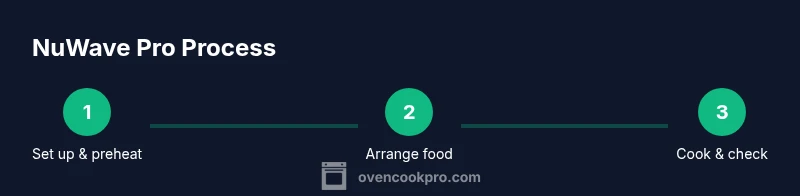
Place the NuWave Pro infrared oven on a stable surface and connect it to a grounded outlet. Insert the tray or rack as needed, then select the appropriate preset or manual setting. Allow the oven to preheat for a few minutes until it reaches the target color or temperature cue. This prepares the infrared elements and convection for efficient cooking.
Tip: Always start with a clear plan for what you’ll cook to avoid unnecessary adjustments mid-cook. - 2
Arrange food for even exposure
Position items with space around them on a tray to maximize air flow. If cooking multiple items, rotate trays halfway through to promote uniform browning. Use a shallow tray for better contact with heat and consider parchment to reduce sticking.
Tip: Never overcrowd; heat needs free air to circulate for consistent results. - 3
Choose a safe temperature range
Use moderate infrared heat for most proteins and vegetables, reserving higher heat for browning and searing when needed. Adjust based on the size and thickness of the food. Rely on visual cues and internal temperature checks rather than time alone.
Tip: Small adjustments early in the cook prevent overcooking later. - 4
Check doneness early
Start checking for doneness a few minutes before the recipe’s usual end time. For delicate items, peek sooner to avoid over-browning. Rely on a thermometer when possible to ensure safety and accuracy.
Tip: Pull items slightly early if they’re close to desired doneness; carryover heat finishes the job. - 5
Rest and plate
Let cooked items rest briefly before slicing to redistribute juices and improve texture. This step is especially important for meats. Resting helps maintain moisture and gives you a better final bite.
Tip: A short rest yields a more consistent interior texture. - 6
Clean as you go
While the unit cools, wipe the exterior and clean the tray/rack. Use gentle cleaners that won’t degrade nonstick coatings. Regular cleaning prevents buildup and keeps performance high.
Tip: A clean oven maintains consistent heat transfer and reduces smoke. - 7
Experiment with accessories
Try a silicone liner, a crisper tray, or a perforated rack to enhance airflow and browning. Start with one upgrade at a time to measure its impact on results.
Tip: Add tools gradually to avoid clutter and confusion. - 8
Document your results
Keep notes on temperatures, times, and outcomes for different foods. A simple log helps you replicate successes and understand how infrared heat affects each dish.
Tip: A small habit of recording results compounds into repeatable success. - 9
Finalize with safety check
Ensure the unit is cool before closing and storing. Inspect cords and surfaces for wear. Keep the oven in a dry, ventilated area and away from water.
Tip: Always unplug before cleaning or moving the unit. - 10
Plan your next cook
Use what you learned from this session to inform your next recipe. Adjust quantities, timings, and rack position based on previous outcomes to improve efficiency and taste.
Tip: Continuous refinement builds confidence over time.
Questions & Answers
How does infrared cooking work in the NuWave Pro infrared oven?
Infrared cooking uses radiant energy to heat the surface of food quickly, while convection air helps cook the interior evenly. This combination speeds browning and reduces hot spots when you space items properly. Doneness is best judged by color, texture, and internal temperature rather than time alone.
Infrared heat hits the surface fast, then air circulates to finish cooking inside. Look for even browning and use a thermometer for best results.
Is the NuWave Pro infrared oven safe for apartment use?
Yes, when used on a stable, heat-resistant surface with proper ventilation and a dedicated power outlet. Follow manufacturer guidelines for clearance from walls and avoid blocking vents. Always unplug after use and keep the area clear of flammable items.
Yes, as long as you place it on a safe surface, keep vents clear, and unplug when done.
Can you bake with the NuWave Pro infrared oven or only broil/sear?
The unit supports a range of cooking modes, including browning and gentle heating that can emulate baking in some cases. For true baking, you may need to adapt recipes to the infrared-convection combo and monitor doneness with a thermometer.
Yes, but adapt recipes and watch doneness closely since infrared behaves differently from a traditional oven.
How do I know when food is done in the NuWave Pro?
Use visual cues like color and crust, plus a thermometer for internal temperature. Check early and then recheck as needed, since infrared heat can cook faster on the surface than inside.
Trust color, texture, and a thermometer to signal doneness rather than relying only on time.
Does preheating always help with NuWave Pro infrared cooking?
Preheating usually improves results by stabilizing heat delivery. Start your cook with a brief preheat and adjust based on the dish and load size. Skipping preheat can still work for simple items, but consistency may drop.
Preheating sets up consistent results and makes browning more predictable.
Watch Video
Main Points
- Master infrared browning with even rack spacing
- Preheat and monitor doneness using cues not time alone
- Avoid overcrowding to ensure airflow and even cooking
- Rest meat to improve juiciness and texture
- Clean promptly to maintain performance and longevity