How to baked potato in oven: A complete step-by-step guide
Learn how to baked potato in oven with an expert, step-by-step approach. Preheat, prep, bake, and finish with delicious toppings. This guide from Oven Cook Pro covers temps, timing, and troubleshooting for restaurant-quality potatoes at home.


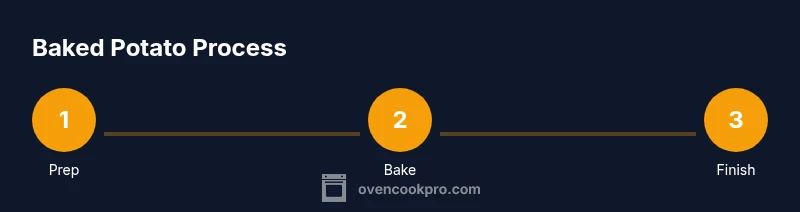
By following this guide, you will bake a potato in the oven with a fluffy interior and crisp skin. Preheat to 425°F, wash and dry, pierce, coat with oil and salt, and bake for 45–60 minutes on a rack, turning once for even browning. This method works best with large russet potatoes. Avoid washing with soap; use clean cold water. Let the potatoes dry completely before oiling.
Why oven temperature and airflow matter for a potato
Achieving the perfect baked potato hinges on controlled heat and air circulation. The interior starch gelatinizes and becomes fluffy when exposed to even heat, while the skin crisps as moisture escapes. If the oven is too cool, the interior can be underdone before the skin browns; if too hot, the outside may scorch while the center remains undercooked. For how to baked potato in oven, you want a moderate-to-hot environment to encourage surface dryness and browning. A metal rack or perforated sheet allows hot air to circulate around the potato, while a traditional baking sheet traps moisture against the crust.
According to Oven Cook Pro, preheating to around 425°F yields reliable results for most russet potatoes. Preheating ensures the moment the potato touches the heat, the surface begins to dry and set, which is critical for crisp skin. If your oven runs hot or uneven, place the potatoes on the middle rack and rotate halfway through cooking to balance browning. Additionally, letting the potato come to room temperature for 15–20 minutes before baking reduces time to cook and prevents a cold center. For extra-crisp skins, pat potatoes dry after washing and rub with a little oil and salt before baking. Resting the potatoes briefly after removal lets steam escape gently and keeps the interior fluffy.
Potato selection and prep for best results
The type and size of potato set the stage for your bake. For classic oven-baked potatoes, choose large russet potatoes with dry, rough skin and minimal sprouting. Uniform size helps them cook evenly; if you must bake mixed sizes, plan for longer times for larger spuds. Scrub under cold running water until the skin looks matte, then pat dry with a clean towel. Pierce the skins several times with a fork to vent steam during cooking, which prevents explosions and ensures even interior texture. A light coating of oil helps the skins blister and crisp; finish with a pinch of salt for flavor. Do not skip drying after washing; moisture on the skin steams rather than crisps. If you want extra flavor, you can rub a tiny amount of garlic powder or paprika into the skin before baking.
Oil, salt, and seasonings for flavor and texture
Oil is your friend when building a crisp, shatter-free skin. Use a light coating of olive oil or another neutral oil to assist browning and to help salt adhere to the surface. Salt the skin generously but evenly to pull moisture to the surface, which promotes browning. Beyond salt, simple seasonings like cracked pepper, garlic powder, or paprika can add depth without masking the potato’s natural flavor. Avoid heavy marinades that can soften the skin. If you prefer extra aroma, you can rub minced garlic into the skin before baking, but be mindful not to burn it at high heat.
A quick trick is to pat the potatoes dry after washing, then rub with a thin film of oil so the skin becomes a crisp barrier rather than a steamed layer. This step is essential for a reliably crisp exterior that contrasts beautifully with a fluffy center.
The baking setup and timing: achieving even browning
Preheating is crucial for a reliable bake; it ensures the moment the potato touches heat, the outer layer begins to dry and crisp. Space potatoes on a rack over a parchment-lined sheet if possible to maximize air circulation. If you don’t have a rack, a well-spaced sheet pan still works, but avoid overcrowding. Bake on the middle rack for about 45–60 minutes at 425°F, turning halfway to promote even browning. For very large potatoes, you may need up to 75 minutes. When the skins blister and the potatoes feel soft when squeezed with tongs, they are nearing completion. A quick rest after removal allows steam to dissipate gently and yields a lighter interior.
Doneness tests and finishing touches: know when it’s done
A fork should slide into the potato with little resistance, and the interior should flake and fluff easily. If you see resistance or a dense core, continue baking in 5–10 minute increments. Rest the potatoes for 5 minutes before serving to allow moisture to redistribute; this helps the interior stay light. Slice open lengthwise, then fluff the interior with a fork, and finish with a small pat of butter, salt, and any preferred toppings. For a finishing pop, try a dusting of sea salt or a whisper of chives for color.
Troubleshooting and variations for different tastes
If the skin isn’t crisp, it can mean the potato wasn’t dried well or the oven temperature drifted. Try increasing the heat to 450°F for the last 5–10 minutes, but watch carefully to prevent burning. For butter-rich toppings, finish while the potato is hot so the butter melts into the fluffy interior. If you’re cooking for a crowd, bake multiple potatoes together and ensure space between them for airflow. You can also experiment with toppings like sour cream, shredded cheese, bacon bits, or garlic butter to customize flavors.
Tools & Materials
- Russet potatoes (4-6 large)(Choose potatoes with dry, rough skin and minimal eyes)
- Olive oil or neutral oil(2–3 tablespoons total, per potato if oiling individually)
- Kosher salt or sea salt(Coarse salt helps flavor and browning)
- Freshly ground black pepper (optional)(For subtle seasoning)
- Baking rack or rimmed baking sheet(Rack yields best air flow for crisp skin)
- Parchment paper (optional)(Makes cleanup easier)
- Fork or skewer for piercing(Vent steam and prevent bursting)
- Tongs or oven mitts(Handle hot potatoes safely)
- Instant-read thermometer (optional)(Verify internal texture if uncertain)
Steps
Estimated time: 60-90 minutes
- 1
Preheat and prep
Preheat the oven to 425°F. Scrub the potatoes under cold water until clean, then pat dry. Pierce several holes in each potato with a fork, then toss with a light coating of oil and salt.
Tip: Dry skin thoroughly to promote crisping; moisture steams the skin instead of browning. - 2
Choose baking setup
Arrange potatoes on a baking rack or parchment-lined sheet, ensuring space between each potato for air circulation.
Tip: A rack yields the crispiest skins because air can reach all sides. - 3
Bake and rotate
Place on the middle rack and bake for 45–60 minutes. If you’re using larger spuds, check at 60 minutes and rotate the pan 180 degrees for even browning.
Tip: Rotating helps avoid hot spots that can burn one side. - 4
Check for doneness
Test by pressing gently with tongs; the potato should yield to pressure and feel fluffy inside when split open.
Tip: If interior seems dense, continue baking in 5–10 minute increments. - 5
Finish and rest
Remove from oven, let rest 5 minutes to finish steam distribution, then split and fluff the interior.
Tip: Resting prevents the interior from becoming gummy. - 6
Serve with toppings
Top with butter, salt, pepper, and your favorite toppings like sour cream, cheese, or chives.
Tip: Keep toppings light to showcase the potato flavor. - 7
Variations (optional)
Experiment with garlic butter, chili-lime salt, or parmesan for extra depth.
Tip: Add toppings after the potato is opened to maintain crispness.
Questions & Answers
What is the best oven temperature for baked potatoes?
425°F is widely recommended for a balanced bake that yields fluffy interiors and crisp skins. Adjust slightly for very large spuds.
Most people bake at four-two-five degrees to get a good balance of crispy skin and fluffy interior.
Do I need to wrap potatoes in foil?
Wrapping in foil traps steam and softens the skin, which results in a less crispy exterior. For the classic crispy-skinned potato, bake unwrapped.
No foil if you want crisp skin; foil makes the skin soft.
How can I tell when a baked potato is done?
The skin should feel firm and the interior should be soft and fluffy when pierced with a fork. If the center resists, bake a bit longer.
The fork should slide in easily and the interior should be fluffy.
Can I bake several potatoes at once?
Yes. Space them evenly on a rack or sheet and rotate the pan halfway through. Expect a touch more time if the oven is crowded or potatoes are different sizes.
Absolutely—just give them space and rotate halfway through.
What toppings go best with oven-baked potatoes?
Classic options include butter, sour cream, shredded cheese, chives, and bacon bits. For lighter options, use Greek yogurt and herbs.
Butter and sour cream are traditional favorites.
What if my potatoes are very small?
Smaller potatoes finish faster; check earlier, around 25–30 minutes. You may remove smaller ones sooner and continue baking larger ones.
Start checking earlier if your potatoes are small.
Main Points
- Preheat to 425°F for reliable browning.
- Dry skin and oil the potato for crisp skins.
- Space potatoes to maximize even cooking.
- Test doneness with a fork and rest briefly before serving.