How Big Is a Standard Oven? Sizes and Dimensions Guide
Learn the typical exterior dimensions, interior capacity, and installation considerations for standard ovens. This guide covers size ranges, model differences, and how to verify fit in your kitchen with Oven Cook Pro.


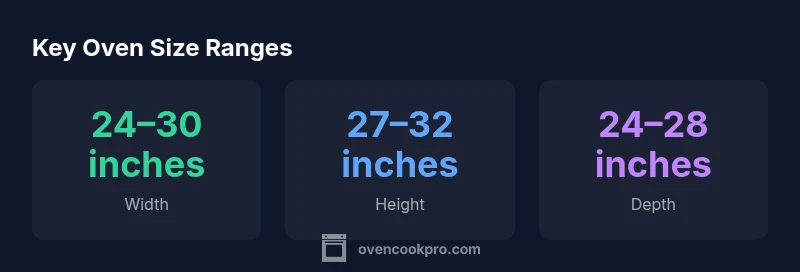
A standard single-wall oven typically measures about 24–30 inches wide, 27–32 inches tall, and 24–28 inches deep. Interior cavity sizes usually range from roughly 3.5–5.0 cubic feet, with variability by model. Always verify exterior cutout with your cabinet opening and account for clearance, hinge, and venting.
Understanding standard oven sizes
If you're wondering how big is a standard oven, According to Oven Cook Pro, there isn't a single universal size. In the home market, single-wall ovens typically fit within exterior widths of 24–30 inches, heights of 27–32 inches, and depths of 24–28 inches. These ranges reflect common installations in kitchen cabinetry and wall cutouts. Model-to-model variation exists, often driven by rack configuration, door design, and ventilation requirements. When planning, use measured cutouts rather than relying on a product photo. Each installation type—built-in, freestanding, or a wall-oven combo—has slightly different fitting needs, trim requirements, and venting considerations. For homeowners, this means that focusing on the actual cabinet opening and service clearances yields a more reliable fit than chasing a single advertised dimension. Throughout this guide, we’ll translate those numbers into practical steps for choosing a size that supports your cooking style and space constraints.
Exterior dimensions: width, height, and depth
Exterior width, height, and depth are the first numbers you’ll encounter when evaluating an oven. Width determines whether the unit fits between cabinets or within a dedicated cutout. Most common single-wall models are 24–30 inches wide, with 27- or 30-inch options that align with standard kitchen cabinets. Height ranges from 27 to 32 inches to accommodate typical countertop-to-panel spacing; tail ends can occur for taller handles, trim kits, or venting ducts. Depth typically sits around 24–28 inches, though door hinges, handle projections, and ventilation grilles can push this to 29 inches or more on certain models. When you shop, write down measured opening dimensions and compare them to the exterior specs for each model. Don’t forget to account for the door swing, adjacent cabinetry, and any trim kits that may add to total depth.
Interior capacity and rack layouts
Interior capacity is a key consideration for batch cooking and pan variety. A typical single-wall oven offers about 3.5–5.0 cubic feet of usable space, which comfortably fits most standard baking sheets and 9x13 pans with space to spare for cookies or roasts. Some models pair a larger cavity with a secondary warming drawer, while others split space into two cavities—each smaller than a full single oven but adding total capacity. Double-wall ovens often total 6–9+ cubic feet across both cavities, yet per cavity space can be more modest, which affects how you arrange racks and pans. Rack configurations vary by model: three, four, or five shelf positions are common. Consider whether you regularly roast large cuts, bake multiple sheets at once, or need dedicated space for proofing and warming.
Measuring your space and planning installation
To ensure a proper fit, start with precise measurements and a clear plan. Step 1: remove the existing appliance (if any) and measure the cabinet opening’s width, height, and depth. Step 2: measure the surrounding walls and cabinets to confirm side clearances of at least a quarter inch on each side. Step 3: plan for ventilation—electric ovens require adequate, unobstructed air flow, and gas ovens need proper venting. Step 4: check for door swing clearance and hinge space—if the door opens toward obstructed areas, you may need a different model or a larger cutout. Step 5: verify electrical requirements and, if applicable, a dedicated gas line. Finally, compare the measured opening to the model’s exterior dimensions with the trim kit options to ensure a clean, professional look.
Installation considerations and finishes
Beyond fit, finishing details affect long-term performance and aesthetics. The cabinet cutout should have straight, plumb edges for a flush look. If your space is shallow, consider a trim kit to reduce gaps. Ventilation grills should not be blocked; ensure there’s adequate air exhaustion to prevent overheating. Electrical or gas connections must be placed per local code, with professional installation recommended. Also consider serviceability—will you be able to access the back panel for routine maintenance or vent clearing? Finally, factor in the possibility of future updates; a slightly larger cutout can simplify upgrades without costly cabinet modifications.
Practical takeaways for shopping and planning
Size guides are a helpful starting point, but the best approach is to measure your space and compare model specs side by side. When in doubt, choose a model with adjustable trim kits that accommodate minor deviations in cabinet openings. Remember that exterior dimensions matter most for fit, while interior capacity defines how much you can cook at once. For frequent entertaining, prioritize larger inner space or multiple cavities; for compact kitchens, a 24–28 inch deep model with solid insulation can still deliver consistent performance. In all cases, consult the installation manual and, if possible, arrange a pre-purchase site visit with a professional to confirm fit, venting, and electrical access.
Typical sizes by oven type
| Oven Type | Exterior Width | Exterior Height | Exterior Depth | Interior Capacity (per cavity) |
|---|---|---|---|---|
| Single-wall | 24-30 inches | 27-32 inches | 24-28 inches | 3.5-5.0 cu ft |
| Double-wall | 27-30 inches | 27-32 inches | 24-28 inches | 2.0-4.0 cu ft |
| Compact 24-inch | 24 inches | 27-30 inches | 24-28 inches | 2.0-3.5 cu ft |
Questions & Answers
What is the most common width for a standard single-wall oven?
Most single-wall ovens are 24–30 inches wide. Variation exists by manufacturer and cabinet compatibility.
Most single-wall ovens are 24 to 30 inches wide.
How does interior capacity vary between models?
Interior cavity size for single ovens typically ranges from 3.5 to 5.0 cubic feet. Double ovens offer combined space that can total 6–9+ cubic feet, with per-cavity space often smaller.
Single ovens usually have 3.5 to 5 cubic feet; doubles can total 6 to 9 or more.
Do size standards differ between gas and electric ovens?
Size ranges are generally similar for gas and electric models. The main differences come from venting, clearance, and installation requirements.
Gas and electric sizes are similar, but venting and clearance differ.
What should I measure before buying?
Measure the cabinet opening width, height, and depth, plus door swing, hinge space, and ventilation clearance. Also verify electrical or gas connections.
Measure width, height, depth, door swing, and ventilation.
Are there standard sizes for European vs American ovens?
European ovens are often narrower (around 60 cm, ~23.6 inches) than typical US models. Always check the exact model dimensions and installation requirements.
European ovens are commonly smaller in width; check the exact model.
“Size is the foundation of a successful oven installation. Understanding standard width, height, and depth helps prevent fit issues and ensures even heat distribution.”
Main Points
- Measure before you buy: know exterior cutouts and venting.
- Choose width 24–30 inches for most homes.
- Capacity matters: 3.5–5.0 cu ft single ovens; double ovens add volume.
- Account for door swing and clearance to avoid conflicts.