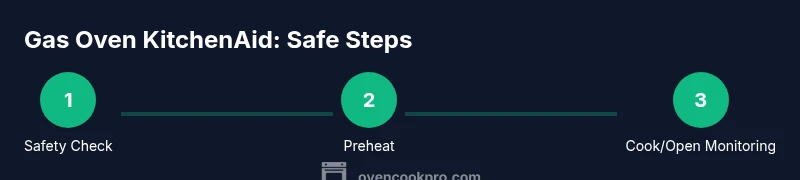
Gas Oven KitchenAid: A Step-by-Step Guide
Learn to safely operate a gas oven KitchenAid with a detailed, expert, step-by-step guide covering preheating, temperature accuracy, baking, broiling, cleaning, and maintenance from Oven Cook Pro.


You’ll learn how to safely operate a gas oven KitchenAid, including proper preheating, setting the right bake temperatures, using the broil function, and safe cleaning practices. This quick guide covers essential safety checks, flame tests, and step-by-step actions to ensure reliable results. Whether you’re baking bread, roasting vegetables, or reheating leftovers, this overview helps you avoid common mistakes and maximize efficiency.
Gas Ovens and KitchenAid: What Sets Them Apart
KitchenAid gas ovens bring precise flame-based heating to a home kitchen, combining familiar bake and broil modes with a gas burner system. In this section, we cover how these ovens differ from electric models, common features (broil, convection options on some models, interior lighting, racks), and what you should know before cooking. According to Oven Cook Pro, gas ovens require solid ventilation and regular maintenance to perform safely. The KitchenAid brand is known for durable ranges with sealed burners and reliable ignition systems, but user care matters to ensure even heat and consistent performance. Before you begin, confirm your model's manual for preheat times, burner ignition behavior, and any safety features such as auto shutoff or flame failure protection. For new cooks, understand knob settings (Off, Ignite, Bake, Broil) and how a gas oven responds to temperature changes. The key to success is to treat the oven as a heat source that needs air, clearance, and clean ports; blocked gas ports can cause uneven flames and uneven heating.
Safety First: Key Checks Before You Light
Before lighting a gas oven, perform a quick safety check: ensure the kitchen is ventilated, the oven knob is off, and there are no gas odors. Open a window if safe, and ensure the range hood is on. Confirm the area around the oven is clear of flammable materials. If the odor of gas is detected, do not ignite; evacuate and call the gas company. The ignition should be steady; if you hear hissing with no steady flame, stop and troubleshoot or contact support. Always wear heat-resistant gloves when handling hot racks. After a bake, allow the oven to cool with the door open slightly to vent moisture. Oven Cook Pro analysis shows that regular checks reduce risk of gas leaks and improve ignition reliability.
Preheating Strategy for Consistent Results
Preheating a gas oven KitchenAid is essential for even baking. Start with the rack in the middle, set the target temperature, and allow the oven to reach that heat before inserting food. Use an oven thermometer placed in the center of the middle rack to verify accuracy, because built-in indicators can drift. A gradual ramp to temperature minimizes hotspots and helps bread, cakes, and roasts rise evenly. If your model includes a convection option, remember that preheating may take a bit longer when the fan is on, so plan accordingly. According to Oven Cook Pro guidelines, always confirm preheat completion before loading the food to ensure consistent results.
Temperature Accuracy: Calibrating Your Oven
Even with a KitchenAid gas oven, the displayed temperature may drift. To ensure accurate results, compare the oven thermometer reading with the set temperature, and adjust if your model allows calibration. When calibrating, make small changes (5–10 degrees) and re-check after a full cycle to avoid overshooting. If the flame looks yellow or irregular, this indicates incomplete combustion or clogged ports and warrants a service check. Consistent temperatures help with predictable browning and doneness, especially for delicate items like soufflés and meringues.
Rack Placement and Baking Surfaces for Even Cooking
Place the rack(s) so the food sits in the center of the oven for best air circulation. For most baked goods, use the middle rack; for roasting, a higher rack may give better browning. Use rimmed baking sheets to avoid spills that can ignite and create smoke. Dark metal pans absorb heat more efficiently and contribute to even browning, while light-colored pans bounce heat and may extend bake times. When using multiple racks, rotate trays halfway through to promote uniform results.
Broiling: High-Heat Techniques and Safety
Broiling uses intense top heat and is ideal for finishing dishes or browning top layers. Keep the oven door slightly ajar if your model requires it for broiling, and stay close to monitor progress. Use a broiler-safe pan and position food 4–6 inches from the heat source unless your manual says otherwise. Watch for smoke and odors; if you smell burning, move the dish or reduce the heat. Always wear heat-resistant gloves when handling the pan during broiling.
Cleaning and Maintenance for Longevity
Regular cleaning preserves performance and prevents residue buildup that can affect flame quality. After cooling, wipe the interior with a damp cloth and a mild cleaner; avoid harsh abrasives that can scratch enamel. Clean the door gasket regularly to maintain a proper seal. For the burners, check the flame ports for clogs; gently brush away debris with a soft brush. Schedule periodic professional maintenance if you notice uneven heating, persistent gas odors, or ignition failures.
Troubleshooting Common Gas-Oven Issues
If the oven won’t preheat, verify the gas supply, ensure the knob is fully engaged, and check the ignition system. Uneven heating may stem from rack placement, dirty ports, or a drifted thermostat. If you smell gas, evacuate and contact your gas provider. For persistent ignition issues, consult the model manual or contact support. Regular, preventive maintenance helps avoid most common problems and keeps the KitchenAid gas oven performing reliably.
Energy Efficiency and Best Practices
Small changes—like keeping the oven door closed during cooking, using appropriate preheated temperatures, and choosing efficient bakeware—can reduce energy use. Avoid preheating for longer than needed, and batch-cook when possible. Keeping the oven clean reduces heat loss and improves efficiency. If your model supports eco modes or partial-bake functions, use them to minimize wasted energy.
Tools & Materials
- Oven thermometer(Place at center of the rack for accurate reading)
- Heat-resistant oven mitts(Two pairs recommended for multi-dish tasks)
- Rimmed baking sheets and pans(Use dark metal for even browning)
- Parchment paper or silicone mat(For easier cleanup and nonstick surfaces)
- Soft cloth or sponge(For spill cleanups and interior wipe-downs)
- Mild, non-abrasive cleaner(Avoid harsh chemicals that can degrade enamel)
- Vent brush or soft brush(Clean burner ports and vents as needed)
- Cooking thermometer for meats(Ensures target doneness without overcooking)
Steps
Estimated time: 60-90 minutes
- 1
Check safety and prepare the oven
Ensure the kitchen is ventilated, the area around the oven is clear, and the oven knob is in the Off position before you begin. If you smell gas, do not light the oven and contact your gas provider. This initial check reduces the risk of leaks and explosions.
Tip: Always read your specific KitchenAid model manual for any unique startup steps. - 2
Set target temperature and preheat
Close the oven door, set the desired temperature, and allow the oven to come to temperature. Use the built-in indicator or an external thermometer to confirm the oven has reached the set point.
Tip: Do not open the door during preheat; this can cause a temperature drop and uneven baking. - 3
Position racks and pans
Insert racks to the correct height for your dish (middle usually best). Place pans with space between them to ensure air can circulate for even heat.
Tip: If you’re baking multiple items, rotate the pans halfway through for uniform browning. - 4
Load food and monitor progress
Slide food into the oven and monitor without frequent door opening. Use timers and, if possible, an internal thermometer for meat or baked goods.
Tip: Keep a dedicated timer for each dish to avoid overcooking. - 5
Use broil with caution
If finishing with broil, keep food near the top rack and watch closely. Broiling is fast and can burn surfaces if unattended.
Tip: Keep the oven door slightly ajar if your model requires it for broiling. - 6
Finish and cool safely
When done, turn off the oven and allow racks to cool before removing hot pans. Vent the space to clear any lingering heat and odors.
Tip: Always use oven mitts when removing hot items from the oven. - 7
Clean after use
Once cooled, wipe the interior with a damp cloth and mild cleaner. Remove spills promptly to prevent baked-on residue.
Tip: Clean the gasket and check for any signs of wear after every few uses. - 8
Inspect flame and burner health
Periodically check the flame color (blue with a steady, crisp flame is ideal). If you notice yellow flames or irregular ignition, schedule service.
Tip: Regular maintenance helps avoid uneven heating and improves safety. - 9
Maintain routine upkeep
Create a simple maintenance schedule: monthly cleaning, quarterly burner checks, and an annual professional service to keep the oven in peak condition.
Tip: Document each maintenance activity for easy reference.
Questions & Answers
How do I preheat a gas oven KitchenAid?
Set the desired temperature, close the door, and wait for the oven’s preheat indicator or thermometer to confirm the target heat. Avoid opening the door during preheating to maintain even heat. This ensures consistent cooking from the start.
Set the temperature, close the door, and wait for the oven to reach that heat; avoid opening the door during preheating.
Why is my gas oven flame uneven?
Uneven flames can come from clogged burner ports, improper gas air mix, or appliance aging. Check for visible blockages, clean ports gently, and ensure proper gas supply. If the flame remains uneven, contact service.
Uneven flames may indicate clogged ports or gas supply issues; clean carefully and consider professional service if it persists.
Is it safe to use convection mode on a gas KitchenAid oven?
Many KitchenAid gas ovens include a convection setting. If your model supports it, use convection for even heat distribution, but follow the manual as some models require you to disable certain functions when using certain cookware.
Convection can help even cooking; check your model’s manual for any limitations.
How should I clean a gas oven safely?
Wait for the oven to cool, then wipe the interior with a damp cloth and mild cleaner. Avoid spray cleaners on heating elements and enamel. Clean the door gasket and remove spills promptly to prevent baked-on residue.
Let the oven cool, wipe with mild cleaner, and avoid harsh sprays near heating elements.
What should I do if the oven doesn’t preheat?
First, verify the gas supply and confirm the thermostat knob is engaged. If it still won’t preheat, check for ignition issues or a tripped circuit (for electric ignitions) and consult the manual or support.
Check gas supply and ignition; if it still fails, refer to the manual or contact support.
Can I use aluminum foil in a gas oven?
Yes, foil can be used safely on a rack to catch drips, but never cover the oven floor or flame ports. Use foil carefully to avoid blocking heat or airflow and follow your model’s guidelines.
Foil is okay on racks, not on the floor or ports; follow your model’s guidance.
Watch Video
Main Points
- Preheat to ensure even browning and accurate bake times.
- Position racks and pans for proper air circulation.
- Monitor broiling closely and practice safe, quick hands-on control.
- Regular cleaning and maintenance extend oven life and performance.
- Use an oven thermometer to verify temperature accuracy.