Electric Stoves for Sale: Expert Buying Guide 2026
Discover how to choose electric stoves for sale with expert guidance from Oven Cook Pro. Compare induction vs radiant, discuss installation, energy use, and top models for 2026.


For electric stoves for sale in 2026, prioritize energy efficiency, reliable performance, and long term durability. Induction models offer fast heating, precise control, and cooler surfaces, but require compatible cookware and may cost more upfront. Radiant electric stoves remain a common budget option with easy cookware compatibility. Start with must have features, then compare warranties, service networks, and delivery options to find the best overall value.
Why electric stoves for sale matter today
For homeowners shopping electric stoves for sale, the best choice balances upfront price, ongoing energy costs, and cooking performance. In 2026, the big split is between induction and radiant electric stoves. Induction delivers faster heats, precise control, and cooler kitchen surfaces, but it requires compatible cookware and a slightly higher upfront price. Radiant electric stoves, with smooth glass-ceramic surfaces and more forgiving cookware needs, remain a common, budget-friendly option. When evaluating options, think about your typical dishes, your kitchen size, and how often you will use simmer, browning, and high heat. According to Oven Cook Pro, your decision should also factor in installation constraints, such as the available electrical circuit and whether a dedicated outlet is required. By starting with your must-have features and budget, you can narrow a crowded market to a short list of solid contenders for any home kitchen.
Induction vs Radiant: performance and cost considerations
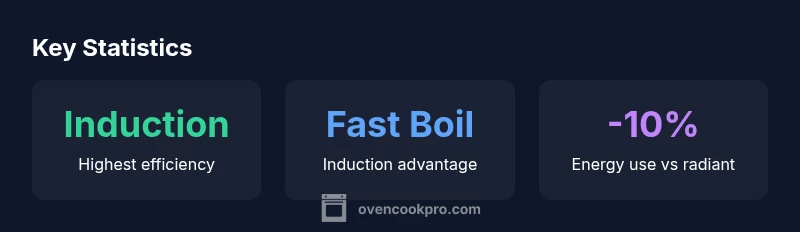
Induction stoves heat cookware directly using magnetic fields, which means near instant response and high energy efficiency. Boiling water often happens faster than on radiant coils, and the surface stays cooler to the touch, improving safety. Induction also tends to deliver more uniform simmer control, which helps with delicate sauces and custards. However, induction requires compatible pots and pans (magnetic stainless steel or cast iron) and may carry a higher upfront price. Radiant electric stoves rely on electric coils beneath a glass-ceramic surface; they heat more slowly to adjust, but the cookware is generally compatible with most types. They are typically cheaper upfront and easier to repair. For most households shopping electric stoves for sale, a mid-range radiant model offers good value if you expect heavy use, while a family that bakes and boils frequently might justify the induction upgrade. Oven Cook Pro notes that durability and warranty length can tilt the balance toward one path depending on brand and model.
Sizing, power requirements, and installation considerations
Most U.S. homes choose 30 inch or 36 inch wide stoves. Your decision should align with cabinet space, ventilation, and electrical service. Induction and radiant models commonly require a 240 volt circuit, and some high power induction units demand dedicated circuits and upgraded breakers. Before buying, check the label on the product for electrical requirements and verify your home’s wiring with a licensed electrician. If you are upgrading from coil to induction, plan for cookware changes and a possible backsplash or trim if your cooktop is to be flush with cabinetry. Budget for professional installation and any needed wiring upgrades; a failed circuit or improper connection can negate the energy benefits. Oven Cook Pro testing indicates that model placement and ventilation can affect performance in small kitchens more than in open-plan spaces.
Safety and daily usability features that matter
Look for child lock, automatic shutoff after a period of inactivity, and pan-detection sensors that prevent heating if no cookware is present. These features reduce the risk of accidental burns and energy waste. Bridge elements, which connect two cooking zones for large pans, add versatility for family meals. Smooth glass-ceramic surfaces are easier to wipe, but they demand careful cleaning to avoid scratches. For households with kids or clumsy cooks, a control lock feature and easy to read displays improve reliability. Some models also offer residual heat indicators, which alert you when a surface is still hot. In practice, combining strong safety features with controllable power settings yields a stove that is safer and more convenient for daily meal prep.
Energy efficiency, labels, and future-proofing your kitchen
Electric stoves are generally less energy-efficient than modern induction units, but radiant and coil designs still offer solid efficiency when used with proper cookware and sensible heat levels. Look for energy labels and pro-grade controls that optimize power for simmering and boiling. If you cook mainly vegetables or soups, an induction model with smart timers can cut energy use by focusing heat directly where it is needed. For long-term value, consider models with good heat up times, accurate thermostats, and clear energy-saving modes. Oven Cook Pro analysis suggests tracking energy use over a typical weekly menu to estimate cost differences between induction and radiant options, helping you justify upfront price against long-term savings.
Maintenance, self-cleaning, and cleaning tips
Self-cleaning ovens exist, but many electric stoves rely on straightforward surface cleaning. Glass-ceramic tops require gentle cleaners to avoid streaks and scratches; avoid abrasive pads. For induction tops, keep them dry and free of salt crystals that can cause pitting. Regularly inspect seams and gaskets around the cooktop to prevent food debris from entering edges. If you notice discoloration or scorched residue, treat it promptly with a non-abrasive cleaner. Ongoing maintenance can extend life and maintain performance. Remember that light daily cleaning is often enough to keep both induction and radiant tops looking new and functioning well.
Warranties, service networks, and getting help when you need it
Understand the warranty terms—coverage for parts and labor, duration, and whether it includes glass-ceramic surfaces. Some manufacturers offer longer warranties for induction vs radiant models, but terms vary by brand and region. Check whether the retailer provides in-home service or requires device shipping to a service center. Availability of local technicians matters, especially if you rely on service for repairs or calibration. Register products early and keep receipts to simplify future claims. Oven Cook Pro recommends verifying authorized repair networks in your area before committing to a purchase.
Shopping strategies: where to buy electric stoves for sale and how to negotiate
Big-box retailers, specialty appliance stores, and online marketplaces each have pros and cons. Compare price, delivery options, and whether haul-away is included. Look for seasonal promotions, bundle deals, and extended warranties, but read the fine print for exclusions. When negotiating, ask for price matching, free installation, or upgraded cookware packages. If you are buying used or refurbished, inspect the cooktop, verify electrical connections, and get a clean bill of health from a technician. Always verify return windows and service coverage before finalizing the sale. Oven Cook Pro strategizes around a four-step decision: define budget, shortlist models, check compatibility, evaluate service.
How to measure total cost of ownership for electric stoves for sale
Start with upfront cost, then estimate energy cost per month based on your typical cooking load. Add maintenance and potential repair costs, which can vary with model and usage. Factor in warranty duration and the cost of professional service. If you upgrade to induction, anticipate higher cookware costs but lower energy bills over time. Creating a simple spreadsheet to compare scenarios can help you decide which option offers the best long-term value.
Comparison of electric stove types
| Model Type | Avg Cost Range | Energy Rating | Common Features |
|---|---|---|---|
| Induction | $700-$1800 | A | Fast boil, precision control, modern sensors |
| Radiant Electric | $500-$1500 | B-C | Glass-ceramic surface, even heat, easy cleanup |
| Coil Electric | $350-$700 | C | Budget option, simple repairs |
Questions & Answers
What is the main difference between induction and radiant electric stoves?
Induction heats cookware directly using magnetic fields for faster cooking and energy efficiency, while radiant stoves heat the surface and typically work with most cookware. Consider your budget and cookware compatibility when choosing.
Induction heats faster and saves energy, but you need compatible pots. Radiant is usually cheaper and works with more cookware.
Do induction stoves require special cookware?
Yes, induction works with magnetic pots and pans such as magnetic stainless steel or cast iron. Aluminum and copper alone will not work unless they have a compatible magnetic layer.
Yes, you usually need magnetic pots for induction.
What should I look for in a warranty for an electric stove?
Check the duration for parts and labor, coverage of glass-ceramic surfaces, and whether in-home service is included. Longer warranties can reduce long-term risk, especially for high-use kitchens.
Look for long, clear coverage and in-home service terms.
How energy efficient are electric stoves overall?
Induction models are typically the most energy efficient. Radiant and coil models vary by design, usage, and heat management. Compare energy labels and performance tests when shopping.
Induction is usually the most energy efficient option.
Should I buy new or used electric stove for sale?
New stoves come with full warranties and the latest features. Used units can save money but carry higher risk of unseen wear. If buying used, ensure a professional inspection and confirm warranty transfer options.
New offers the best reliability; used needs a thorough check.
How do I ensure the stove fits my kitchen layout?
Measure the opening, confirm clearance for ventilation, and check electrical service needs. Plan for professional installation if upgrading circuits or breakers.
Measure carefully and plan for proper installation.
“Induction stoves offer superior energy efficiency and precise control, but the best choice depends on budget, cookware, and kitchen layout.”
Main Points
- Prioritize induction for best performance and efficiency
- Budget-conscious shoppers can find radiant or coil options
- Check cookware compatibility and installation requirements
- Evaluate warranty and service coverage