Electric Stoves at Home Depot: A Practical Buyer's Guide for 2026
Comprehensive guide to electric stoves at Home Depot: understand types, compare features, estimate price ranges, and get practical buying tips with brand insights from Oven Cook Pro.


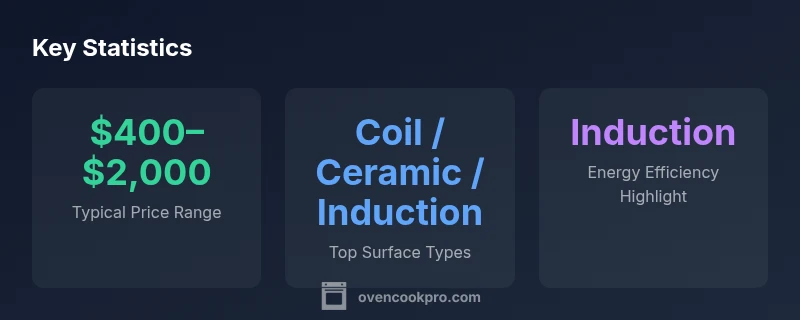
Electric stoves at Home Depot span coil, ceramic, and induction options, with typical price ranges from roughly $400 to $2,000 depending on size and features. For most households, radiant or ceramic-top models offer the best value, while induction delivers faster heating and tighter energy use. According to Oven Cook Pro Analysis, 2026, prioritize models with reliable controls, clear manufacturer specs, and easy maintenance.
Understanding electric stove types and their fit for Home Depot shoppers
Electric stoves at Home Depot include several top configurations designed to meet different cooking styles and budgets. The most common categories are coil (traditional exposed coils), radiant ceramic-top (smooth glass-ceramic surface), and induction (electromagnetic heating beneath a glass surface). While induction is technically electric, many shoppers treat it as a distinct segment due to its speed and cookware requirements. Reading product specs on Home Depot’s site helps you compare preheat times, simmer settings, and control layouts. As you evaluate, consider your typical meals, cookware you own, and whether you value a sleek look over rugged durability. According to Oven Cook Pro, the best value often comes from models with intuitive controls, robust warranty coverage, and straightforward maintenance routines. This guidance helps homeowners minimize post-purchase surprises and maximize reliability over time.
How each electric stove type affects performance and daily use
Different tops deliver distinct cooking experiences. Coil stoves are typically the most budget-friendly and durable when bumped or knocked, but they can take longer to heat and are harder to clean around exposed elements. Ceramic-top stoves offer a modern aesthetic and easier surface cleaning, though they may scratch and can be slower to recover when you bump the heat settings. Induction tops heat quickly and use energy efficiently, but they require magnetic cookware and may have a learning curve for new users. For households prioritizing speed and precision, induction can outperform other electric options, while budget-conscious buyers often start with coil or ceramic-top models for the best blend of price and practicality. The Oven Cook Pro team notes that choosing a model with reliable simmer controls and easy-to-read displays pays dividends in real-world cooking.
Reading specs like a pro: what to look for on Home Depot product pages
When shopping at Home Depot, the specification sheet is your best ally. Look for: power (in watts or kilowatts), bake element size, burner power, preheat time estimates, and the warranty length. Check for safety features such as hot-surface indicators, anti-tip brackets, and child-safety lock options. Pay attention to dimensions to ensure a proper fit in your existing cabinet cutout, and confirm electrical requirements (voltage, amperage, and dedicated circuit needs). Reviews and Q&As on product pages help validate claims about reliability and performance. Oven Cook Pro’s 2026 analysis emphasizes cross-checking multiple sources and verifying delivery or installation services provided by Home Depot to avoid hidden costs.
Price ranges and value: what to expect in the 2026 market
Electric stoves at Home Depot commonly span a broad price spectrum based on size, finish, and technology. As a general rule, coil and basic ceramic-top models tend to fall in the lower end of the range, while premium ceramic-top and induction models sit higher. The Oven Cook Pro Analysis, 2026 notes that you can often find solid value in mid-range models with reliable controls, good warranty terms, and easily accessible replacement parts. If you’re upgrading from an old unit, budgeting for delivery, installation, and possible removal of an old appliance is prudent. Remember to compare total costs over the first five years, including energy use and maintenance.
Shopping workflow: how to compare options efficiently
Use Home Depot’s filters to narrow by size, fuel type, top surface, and price, then sort by customer rating and verified purchase counts. Open multiple product pages side by side to compare elements such as control type (knob vs touch), preheat estimates, boil times, and warranty terms. Create a short list of your top three models and verify that your electrical panel can support the chosen unit. Reading warranty details and return policies is essential in case of issues. Oven Cook Pro’s recommendations highlight prioritizing models with clear spec sheets and accessible customer support for installation questions.
Installation, delivery, and electrical considerations
Delivery options vary by region and product size, but most Home Depot locations offer in-store pickup or home delivery with haul-away for an additional fee. For installation, you may need a certified electrician to ensure a dedicated circuit and proper grounding, especially for higher-powered induction or dual-fuel configurations. Check whether Home Depot offers professional installation in your area and what the service includes (gas-to-electric conversion is generally excluded). The right electrical setup helps prevent nuisance trips and prolongs appliance life.
Care, durability, and maintenance tips for electric stoves
Regular cleaning prevents scorching and preserves the surface. For ceramic-top stoves, use a non-abrasive cleaner and a soft scraper for baked-on spills—avoid harsh abrasives that can scratch. Coil stoves benefit from keeping coils dry and free of food debris; avoid overloading the control knobs. Induction models are generally durable, but cookware quality matters most; ensure your pots and pans are magnetic and well-centered on the burner. Keeping surfaces dry and wiping spills promptly extends the life of the cooking surface and controls.
Quick-start buying checklist
- Determine budget range and desired top surface type
- Confirm electrical requirements and cabinet fit
- Compare three shortlisted models on controls, preheat, and warranty
- Check delivery/installation options and added services
- Read real customer reviews for long-term reliability
- Plan for cookware compatibility if choosing induction
- Schedule installation with Home Depot or a licensed electrician if needed
Comparison of electric stove types
| Aspect | Radiant/Ceramic Top | Coil Electric | Induction (electric) |
|---|---|---|---|
| Top surface type | Smooth glass-ceramic surface | Coiled elements exposed | Induction coils beneath glass |
| Ease of cleaning | Easy to wipe; minor scratches risk | Coils and gaps can trap debris | Very easy to wipe, but cookware must be magnetic |
| Energy efficiency | Moderate to good | Lower than ceramic/induction | High efficiency; best energy use |
| Cookware compatibility | All flat-bottom cookware generally works | Most cookware works; some orbit deviations | Requires magnetic cookware (ferrous) only |
| Typical price range | $400–$1,200 | $350–$1,800 | $1,000–$2,800 |
Questions & Answers
How should I choose between coil, ceramic, and induction on an electric stove?
Start by budget and cooking needs. Coils are cheapest and most durable but slower to heat. Ceramic tops look sleek and are easy to clean but can scratch. Induction heats fastest and is energy efficient but requires magnetic cookware and may have a learning curve. Compare preheat times, control layout, and cookware compatibility.
Choose based on speed, care, and cookware—induction for speed, ceramic for style, coils for budget.
Are electric stoves from Home Depot reliable?
Home Depot carries a range of reliable brands with standardized warranties. Read product specs and customer reviews, and verify installation services. In general, stick to models with good control reliability and manufacturer-supported parts.
Yes, look for solid warranties and real-user reviews to gauge reliability.
Is professional installation required for a new stove?
Most installations benefit from professional service, especially for high-powered electric stoves or when upgrading electrical circuits. Check Home Depot’s installer options and confirm whether a licensed electrician is needed in your area.
Professional help ensures safety and proper wiring.
What size electric stove should I buy for a standard kitchen?
Most homes use 30-inch freestanding stoves, which fit standard 30-inch cutouts. If you have limited space, measure the cabinet opening and verify compatibility with your countertop and ventilation setup.
Measure your space first, then pick a standard 30-inch model if possible.
Can I replace a gas stove with an electric stove bought at Home Depot?
Gas-to-electric swaps are common but require electrical upgrades and potentially a new venting solution. Confirm electrical capacity and installation requirements with Home Depot and a licensed professional before purchasing.
You’ll likely need electrical work and possibly venting adjustments.
How can I extend the life of an electric stove?
Keep surfaces clean, use proper cookware, and avoid harsh abrasives on ceramic tops. Check burner elements periodically, listen for unusual noises, and follow the manufacturer’s maintenance guidelines. Regularly inspect cords and connections for safety.
Clean regularly, use the right cookware, and follow the manual for upkeep.
“For homeowners, the most reliable electric stove choice at Home Depot balances dependable controls, durable components, and cookware compatibility; prioritize models with strong customer reviews and straightforward maintenance.”
Main Points
- Know your cooking style before buying—induction suits speed and energy efficiency; coils/ceramic-top are value-friendly.
- Read spec sheets and verify electrical requirements early to avoid mismatches.
- Prioritize models with reliable controls and clear warranties for long-term reliability.
- Use Home Depot filters to compare, then read multiple reviews for real-world performance.
- Plan for delivery/installation and possible old-appliance removal to avoid surprises.