Chicken Parmesan Recipe Oven: A Step-by-Step Guide
Learn to bake a classic chicken parmesan in the oven with a crispy crust and melted mozzarella. This guide covers breading, sauce layering, timing, and finishing techniques for reliable, restaurant-quality results at home.


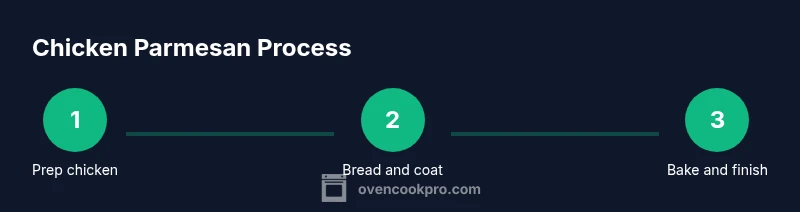
According to Oven Cook Pro, you can bake a classic chicken parmesan in the oven with a crispy crust and melty cheese. The key steps are: prep a breaded chicken cutlet, bake until nearly cooked, top with marinara and mozzarella, then finish under the broiler. Gather chicken, flour, eggs, breadcrumbs, parmesan, marinara, mozzarella, and olive oil.
Overview: Why this Oven Method Works
In this chicken parmesan recipe oven guide, home cooks learn to deliver a crispy crust, tender chicken, and bubbling cheese right from a standard family oven. The technique relies on a classic breading process, a hot baking phase, and a brief finishing broil to set the topping. The result is reliable, repeatable, and approachable for weeknights. Oven Cook Pro designed this approach to balance flavor, texture, and practicality for busy homes. You’ll notice that the oven’s dry heat helps set the crust quickly while the sauce and cheese provide moisture and richness. For best results, start with well-chosen chicken and a consistent breading station. This method also scales well for small families or larger gatherings. Remember, precision in temperature, timing, and layering matters as much as the recipe itself.
Prep: Choosing Chicken and Prepping for Even Cooking
The foundation of great chicken parmesan starts with the right protein. Opt for boneless, skinless chicken breasts and consider chicken cutlets if you want ultra-thin, even slices. A gentle tenderizing step—pounding to about 1/2 inch (12-13 mm)—promotes uniform cooking and a uniform breading. Seasoning the chicken on both sides with salt and a pinch of pepper before breading helps the meat retain moisture and enhances flavor. If you have time, you can brine the chicken briefly (15–20 minutes) to improve juiciness, but this is optional. After pounding and seasoning, set the chicken aside and prep your breading station so you can move calmly through the coating steps. Oven Cook Pro emphasizes consistent thickness for even browning and a predictable finish.
Breading for Crispness: Dredge, Dip, and Coat
A crisp, hotel-crust-like coating starts with three separate stations: flour (for dryness and adhesion), beaten eggs (as a wet binder), and a breadcrumb-parmesan mixture (for flavor and crunch). Leftover flour should be gently brushed off—the goal is a light dusting, not a dense layer. Dip the seasoned chicken first in flour, shake off excess, then dip into the beaten eggs, and finally press into a breadcrumbs-parmesan blend. For extra flavor, mix in a pinch of garlic powder or dried oregano. The result should resemble a thin, even coat that sticks well without forming a clump. The breading will crisp up in the oven and contribute a golden crust that contrasts with the tender interior.
Bake, Layer, and Finish: Sauce, Cheese, and Timing
Preheat the oven to 425°F (218°C) and arrange a wire rack set over a parchment-lined baking sheet. Bake the breaded chicken on the rack until the crust is set and the center reaches about 150°F (65°C). Remove the tray, spoon a thin layer of marinara sauce over each piece, then top with shredded or sliced mozzarella and a sprinkle of grated parmesan. Return to the oven and bake for an additional 6–10 minutes, until the cheese is melted and bubbling. If you like a deeply browned top, finish with 1–2 minutes under the broiler. The combination of a hot bake, sauce, and cheese creates a flavorful, cohesive dish with a crisp exterior and juicy interior. Always rest the chicken for 3–5 minutes before serving to let the juices redistribute.
Serving Ideas and Leftovers: Tips for Flavor Longevity
Serve chicken parmesan with al dente pasta, a simple green salad, or garlic bread to balance richness. If you have leftovers, store tightly wrapped in the fridge for up to 3 days, and reheat gently in a 350°F oven (about 10–12 minutes) to preserve moisture and texture. Freeze cooked chicken parmesan in airtight containers for longer storage, but expect some texture change after thawing. Reheating from frozen works best when you thaw in the fridge overnight and reheat at a moderate temperature to avoid a dry crust. This approach keeps flavors vibrant while maintaining a satisfying crust and cheese topping. For variety, consider finishing with fresh basil or a light drizzle of high-quality olive oil before serving.
Tools & Materials
- boneless, skinless chicken breasts (flattened)(Aim for even thickness ~1/2 inch (12-13 mm))
- all-purpose flour(Lightly seasoned if desired)
- eggs(Beaten, seasoned with a pinch of salt)
- breadcrumbs (Italian or plain)(For extra flavor, use seasoned breadcrumbs)
- grated parmesan cheese(Divided between breading and topping)
- marinara sauce(Prefer a smooth or chunky style)
- mozzarella cheese(Shredded or sliced)
- olive oil(For coating and baking tray setup)
- salt and pepper(Seasoning for chicken and optionally flour)
- rimmed baking sheet + wire rack(Keeps crust crisp and evenly cooked)
- parchment paper or silicone mat(For easy cleanup)
- kitchen tongs(To handle breaded chicken safely)
Steps
Estimated time: Total: 45-60 minutes
- 1
Pound chicken to 1/2 inch
Place the chicken between plastic wrap and gently pound to an even 1/2 inch thickness. This promotes uniform cooking and prevents thicker edges from drying out.
Tip: Use a flat meat mallet or rolling pin; aim for consistent thickness across all pieces. - 2
Season the chicken evenly
Season both sides with salt and pepper before breading to boost flavor. Seasoning helps the crust adhere and enhances overall moisture.
Tip: Season lightly if your marinara is already salty. - 3
Set up dredging station
Arrange flour, beaten eggs, and breadcrumb-parmesan mix in separate shallow bowls in the order of use. This reduces mess and speeds coating.
Tip: Keep stations close to the work area to minimize crumb spill. - 4
Dredge in flour
Lightly coat each piece in flour, tapping off excess to ensure the breading sticks later. The flour creates a dry surface for the eggs to cling to.
Tip: Even a thin layer is enough; heavy flour will make crust soggy. - 5
Dip in eggs
Dip coated chicken into beaten eggs, allowing excess to drip back into the bowl. The egg acts as a glue for the final coating.
Tip: If eggs thicken, whisk with a splash of milk to loosen. - 6
Coat with breadcrumb-parmesan
Press the breadcrumb-parmesan mixture onto the chicken until fully coated. Ensure even coverage for a consistent crunch.
Tip: Use your hands to press and compact the crust lightly. - 7
Preheat oven and prep pan
Preheat to 425°F (218°C). Lightly oil the wire rack or line with parchment so crust stays crisp during baking.
Tip: A hot oven is key for fast crust setting and moisture retention. - 8
Bake, sauce, and finish
Bake on the rack until the crust is set and the center reaches ~165°F. Top with marinara and mozzarella, bake briefly, then broil if you want extra browning.
Tip: Rest 3–5 minutes after baking to redistribute juices.
Questions & Answers
What oven temperature should I use for chicken parmesan?
Preheat to 425°F (218°C). Bake the breaded chicken until the center reaches 165°F, then top with sauce and cheese and broil briefly if you want extra browning.
Preheat to 425 degrees, bake until the center hits 165, then add sauce and cheese and broil for a bubbly top.
Should I use chicken breast or cutlets for this recipe?
Thinly pounded chicken breasts work well for even cooking, and cutlets can be used for quicker results. The key is uniform thickness.
Use chicken breasts pounded to even thickness, or purchase thin cutlets for quicker cooking.
Can I prepare this recipe ahead of time?
You can assemble the breaded chicken in advance and refrigerate for up to 24 hours before baking. Do not sauce or top with cheese until ready to bake to prevent sogginess.
Yes, you can bread in advance and refrigerate; sauce and cheese go on just before baking.
Is it possible to make this dairy-free?
Yes. Use dairy-free cheese and marinara, and ensure the breadcrumb mix is dairy-free. Expect slightly different melting and texture but still delicious.
Absolutely—use dairy-free cheese and sauce and you’ll still get a tasty result.
What sides go well with chicken parmesan?
Pasta with a light tomato sauce, a crisp salad, and garlic bread pair nicely. For a lower-carb option, serve with roasted vegetables or zucchini noodles.
Pair it with pasta, salad, or garlic bread for a balanced meal.
Can I freeze leftovers?
Leftovers can be frozen for up to 2-3 months. Reheat in a 350°F oven until hot, adding extra sauce if needed to prevent dryness.
Yes, you can freeze and reheat later for a quick meal.
Watch Video
Main Points
- Choose even-thickness chicken for uniform cook.
- Use a three-step breading for crisp, flavorful crust.
- Bake hot, then finish with cheese under the broiler for bubbling top.
- Rest briefly before serving to seal in juices.