Chicken Alfredo in the Oven: A Step-by-Step Bake Guide
Learn to make creamy chicken alfredo in the oven with a step-by-step bake method, covering prep, sauce, pasta, and tips for a silky, bubbling finish.


This guide lets you finish a rich, creamy chicken alfredo in the oven. You'll prep a simple chicken marinade, a silky Alfredo sauce, and a bake-ready pasta layer, then bake until bubbly and lightly golden. By using a covered, slow bake you preserve moisture in the chicken and keep the pasta from drying out. This method favors even cooking and easy clean-up.
Overview: Why bake chicken alfredo in the oven?
Baking chicken alfredo in the oven is a practical way to achieve a creamy, evenly cooked dish with less active cooking time. The oven acts as a gentle heat source that helps the sauce emulsify around the pasta rather than separating on the stovetop. In this guide, we’ll walk you through a reliable method that layers chicken, pasta, and a luscious Alfredo sauce in a single baking dish, resulting in a bubbly, golden finish. By using a covered, slow bake you preserve moisture in the chicken and keep the pasta from drying out. Throughout this approach, focus on balancing dairy richness with seasoning, so the final bite tastes bright and cohesive. The goal is comfortable, predictable results that work for weeknights or weekend gatherings. This is a practical, reliable method to master the creamy texture of chicken alfredo in the oven and ensure even heat distribution for every bite.
Pantry and kitchen prep
Gather all ingredients and tools before you start; this keeps the workflow smooth and reduces the risk of missing a key component during the bake. For chicken alfredo in the oven, you’ll typically need chicken breasts, pasta (fettuccine or penne), heavy cream, grated Parmesan, garlic, butter, and a light stock or water to loosen the sauce if needed. Have salt, pepper, and optional herbs on hand. Assemble a baking dish, a skillet for sauce, and a large pot for par-cooking pasta. Mise en place matters here: measure spices, grate cheese, and mince garlic so you can move through each step without pauses. Remember, leftovers refrigerate well for future lunches. This upfront prep reduces stress and helps you stay focused on flavor balance during the bake.
Choosing cut and chicken prep
Boneless, skinless chicken breasts are a common choice for chicken alfredo in the oven because they cook quickly and evenly. You can use boneless thighs for juicier meat if you prefer; adjust bake time slightly. Pat dry the chicken to help browning, then season generously with salt, pepper, and a pinch of garlic powder or Italian seasoning. For a more robust crust, dust the chicken lightly with flour before searing. Searing creates color and flavor without drying the meat inside. If you’re short on time, you can skip searing and bake the chicken directly in the sauce, but you’ll lose that extra layer of texture. The method aims for a moist interior and a gently browned exterior that carries flavor into the sauce, which is crucial for the lasagna-like finish of this oven bake.
Sauce foundations: Alfredo base
Traditional Alfredo sauce is butter, cream, and cheese; when baked with pasta it should remain silky, not runny. Start by melting butter in a skillet, add minced garlic until fragrant, then pour in heavy cream and simmer gently. Whisk in grated Parmesan until the sauce thickens and coats the back of a spoon. Season with salt and a touch of white pepper or nutmeg if you like. If the sauce seems too thick after tossing with hot pasta, thin it with a splash of pasta water or stock. The key is emulsification: fat and dairy must bind to avoid greasy separation. For chicken alfredo in the oven, aim for a sauce that clings to the pasta without clumping.
Noodles and texture considerations for oven dishes
No-boil pasta or par-cooking to about 70% doneness works well for oven-baked dishes; the pasta will finish cooking in the heat of the bake. If you choose no-boil, ensure your sauce is slightly looser so steam can hydrate the noodles. For chicken alfredo in the oven, using fettuccine or short pasta like penne helps with sauce absorption and even portioning. Toss pasta briefly with a portion of sauce before layering to ensure every bite has flavor. For extra creaminess, reserve a small amount of sauce to drizzle over the top just before serving. Pasta texture is central to the dish’s success; aim for al dente with a creamy finish.
Layering and assembly in the baking dish
Spread a thin layer of sauce on the bottom of a 9x13 baking dish to prevent sticking. Add a layer of par-cooked pasta, then a layer of chicken cut into slices, followed by more sauce. Repeat until the dish is near full, finishing with a final drizzle of sauce and a light sprinkle of Parmesan. If you like, add a handful of spinach or mushrooms between layers for color and nutrition. Cover the dish with foil to trap moisture for the first part of the bake, then uncover to brown the top toward the end. Proper layering ensures each forkful contains pasta, sauce, and protein in harmony.
Cooking times and temperatures: how long in oven
Preheat the oven to 375°F (190°C). Bake the assembled dish covered for about 25-35 minutes, until the chicken registers near 165°F and the pasta is tender. Remove the foil and bake an additional 5-10 minutes to highlight the top and finish emulsifying the sauce. The total time will depend on pan size and thickness. Avoid overbaking, which can make the sauce greasy or the pasta mushy. Let the dish rest for 5-10 minutes before serving to set the sauce. This resting period helps the flavors meld and makes serving easier.
Doneness tests and safety notes
Check the chicken with a thermometer; 165°F (74°C) is the safe internal temperature. The sauce should look glossy and cling to the pasta. If you notice separation, whisk vigorously and loosen with a spoonful of hot pasta water. Safety comes first with dairy-based sauces: use fresh cream, grate cheese last moment to prevent clumping, and keep the dish out of the danger zone during assembly. Understanding doneness and emulsification ensures every bite of chicken alfredo in the oven tastes cohesive and luxurious.
Variations and add-ins to customize
Experiment with greens like spinach or arugula for color; sautéed mushrooms, peas, or sun-dried tomatoes add texture and brightness. Spice it up with red pepper flakes or a squeeze of lemon to cut richness. Swap in half-and-half for lighter cream, or use a mix of Parmesan and Pecorino for sharper flavor. For a different take, finish with breadcrumbs toasted in butter for a crisp top. The oven bake welcomes creative twists that still preserve the core creaminess of chicken alfredo in the oven.
Make-ahead and meal-prep steps
You can assemble the dish up to 24 hours in advance; store tightly covered in the fridge and bake as directed. For freezer-friendly prep, freeze unbaked assembled casserole for up to 2 months; bake from frozen, adding 10-15 minutes. When reheating, cover to retain moisture and add a splash of cream if the sauce thickens. This approach makes chicken alfredo in the oven ideal for batch cooking and weeknight versatility, turning a single recipe into multiple delicious meals.
Clean-up and serving tips
Let the dish rest before serving to prevent steaming hot sauce from scalding your palate. Serve with a simple green salad or steamed vegetables to balance richness. Wipe down the baking dish while warm to make cleanup easier; soak any sauce-stuck bits in warm water and a dab of dish soap. Fresh parsley or chives add color and aroma. A light drizzle of good olive oil over the top can brighten the finish and elevate the dish beyond basic comfort food.
Common mistakes and how to fix them
Avoid overcrowding the pan; overcrowding leads to steaming rather than browning. If your sauce tastes flat, add a little more cheese or a dash of nutmeg. If the pasta is undercooked, extend the bake time by 5-10 minutes with foil on to prevent over-browning. If the sauce separates, reduce heat and whisk vigorously while adding a splash of hot liquid. Experiment with finishing under the broiler for a golden top if you like.
Tools & Materials
- Boneless skinless chicken breasts(Two 8-10 oz breasts work well for a 4-serving bake)
- Pasta (fettuccine or penne)(About 12-16 oz dry weight)
- Heavy cream(Prefer 1 cup for a creamy base)
- Grated Parmesan cheese(Freshly grated if possible)
- Garlic cloves(Minced)
- Butter(Salted preferred)
- Salt and black pepper(To taste)
- Olive oil(For searing and flavor)
- 9x13 baking dish(Dish large enough for even layering)
- Aluminum foil(To cover during early bake)
- Measuring spoons, measuring cups(For precise prep)
- Kitchen thermometer(To check chicken doneness)
Steps
Estimated time: 60-75 minutes total
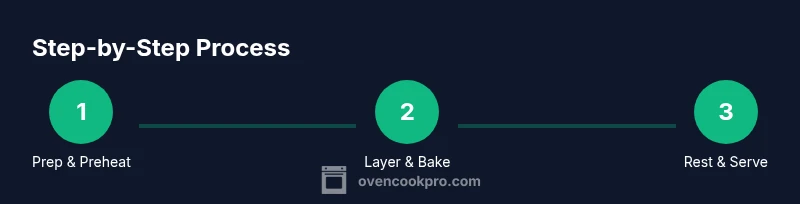
- 1
Preheat oven and prep
Preheat the oven to 375°F (190°C). Gather all ingredients and tools, then measure spices and cheese. This sets you up for a smooth bake and ensures even heat distribution.
Tip: Preheating reduces bake time and helps with even browning. - 2
Prepare chicken
Pat dry chicken breasts and season with salt, pepper, and garlic powder. Patience with seasoning yields a flavorful crust after searing.
Tip: Drying the surface helps achieve a nicer sear. - 3
Sear chicken
Sear the chicken in a hot skillet with a little olive oil until lightly browned on both sides. This step locks in moisture and adds color that will carry into the sauce.
Tip: Do not cook through fully; it will finish in the oven. - 4
Make Alfredo base
Melt butter, add minced garlic, pour in cream, and simmer gently. Whisk in Parmesan until thick and glossy. Season to taste.
Tip: Keep heat low to avoid scorching and separation. - 5
Par-cook pasta
Boil pasta for about 70% of its package time, then drain. It will finish cooking in the oven and absorb sauce for cohesion.
Tip: Reserve a splash of pasta water to adjust sauce consistency. - 6
Assemble bake
Spread a thin sauce layer in the dish, add pasta, then chicken slices, and pour more sauce over the top. Repeat layers; finish with sauce and cheese on top.
Tip: Even layering ensures each bite has sauce, pasta, and protein. - 7
Cover and bake
Cover with foil and bake for 25-35 minutes, until chicken reaches 165°F and pasta is tender. This keeps moisture in and prevents drying.
Tip: Cover during the initial phase to trap steam. - 8
Uncover and finish browning
Remove foil and bake 5-10 minutes more to set the top and emulsify the sauce. Keep an eye on the edges to prevent scorching.
Tip: Broiling for 1-2 minutes can add a crisp top if desired. - 9
Rest before serving
Let the dish rest 5-10 minutes. Resting helps the sauce re-integrate and makes serving neater.
Tip: Resting reduces the risk of hot splashes and helps flavor settle. - 10
Serve with accompaniments
Garnish with chopped parsley or chives and serve with a simple salad or vegetables to balance richness.
Tip: A squeeze of lemon over the greens brightens the plate. - 11
Store leftovers
Cool and refrigerate leftovers in airtight containers for 3-4 days; reheat gently on the stovetop or in the oven.
Tip: Reheat with a splash of cream to restore creaminess. - 12
Clean up after cooking
Soak the pan and utensils promptly to prevent dairy residue from hardening. Wipe surfaces and store ingredients properly.
Tip: A quick rinse during cooling prevents stubborn stains.
Questions & Answers
Can I use a different pasta shape for this bake?
Yes. While fettuccine or penne works best, other shapes can be used. Just keep the pieces bite-sized so they absorb sauce evenly. The bake time remains similar as long as the pasta has enough moisture to finish cooking in the oven.
Yes. You can use other pasta shapes, but choose bite-sized pieces to ensure even absorption and cooking.
Should the pasta be fully cooked before baking?
Par-cook pasta to about 70% of its package time so it can finish in the oven without becoming mushy. No-boil options also work if you monitor liquid levels and sauce consistency closely.
Par-cook to about 70%, or try no-boil if you’re watching the sauce closely.
Can I freeze the baked dish?
Yes. Freeze unbaked assembled casserole for up to 2 months. Bake from frozen, adding 10-15 minutes. For cooked leftovers, refrigerate up to 3-4 days and reheat gently.
Yes. You can freeze the uncooked bake or refrigerate leftovers for later.
What temperature should I bake at?
Preheat to 375°F (190°C). Adjust within the range (350-400°F) if you need to fit your oven’s profile, but 375°F is the sweet spot for a creamy finish without drying the sauce.
Bake at 375 degrees for best texture and creaminess.
Is there a dairy-free option?
A true dairy-free Alfredo won’t be as creamy, but you can use a dairy-free cream substitute and nutritional yeast for a cheesy note. The texture may differ, and the dish won’t emulsify identically.
You can try dairy-free substitutes, but the texture won’t be the same.
How do I know when the chicken is done?
Use a meat thermometer; 165°F (74°C) is safe internal temperature for chicken. The sauce should be creamy and cling to the pasta, not watery.
Check that the chicken hits 165 degrees and the dish looks creamy.
Watch Video
Main Points
- Prep ingredients and equipment before you start.
- Par-cook pasta for better texture in the oven.
- Emulsify sauce with cheese for a silky finish.
- Cover early to trap moisture, uncover to brown top.
- Rest before serving to set the sauce and flavors.