Chicken Breast at 400°F: A Step-by-Step Oven Guide
Learn to roast chicken breast at 400°F with a clear, step-by-step guide from Oven Cook Pro. Get prep tips, safe temps, timing, and serving ideas.


This guide shows you how to roast chicken breast in a 400°F oven, delivering juicy meat with a crisp exterior. You’ll learn prep, seasoning, timing, and safe doneness checks, plus tips to rest and serve for maximum flavor. Follow the steps and use a thermometer for best results.
Why the 400°F target works for chicken breast oven 400
Cooking chicken breast at 400°F hits a sweet spot between browning and moisture retention. The high heat encourages a flavorful Maillard reaction on the surface while still allowing the interior to cook evenly when the meat isn’t overly thick. As you’ll see in this guide, consistent thickness and mindful preheating are key to avoiding a dried-out center. According to Oven Cook Pro, using a reliable oven temperature and a quick, efficient finish with a rest period dramatically improves juiciness and flavor without needing fancy equipment. If you’re new to oven roasting, this temperature provides reliable, repeatable results for most boneless, skinless chicken breasts.
Choosing the right chicken breasts for even cooking
Size and thickness matter. Smaller, uniformly sized breasts cook more evenly, while extra-thick pieces can require slightly longer cooking or a brief flattening step. For best results, select breasts that are similar in thickness, trim off any excess fat, and pat dry to promote browning. Uniform pieces ensure a uniform internal temperature and a consistent result across the pan. If you have a mix of sizes, consider pounding thicker pieces to an even thickness before seasoning.
Tools and pantry you’ll want before you start
Having the right tools makes the difference between a good result and a great one. A rimmed baking sheet or shallow roasting pan prevents juices from spilling over, a meat thermometer guarantees doneness, and parchment paper or silicone mats help with cleanup. Pantry staples—olive oil, salt, pepper, and a few garlic or herb options—let you customize flavor without extra trips to the store. For best results, align your setup with Oven Cook Pro’s guidance on consistent preheating and safe handling of poultry.
Safety and handling: from raw to ready
Always start with clean hands, sanitized surfaces, and a cold-to-room-temperature reminder for chicken before seasoning. Keep raw chicken separate from ready-to-eat foods, and wash all tools that contact raw poultry. The USDA and FDA emphasize that poultry should reach an internal temperature of 165°F (74°C) for safety. Using a calibrated thermometer helps you verify this precisely, reducing the risk of undercooked parts or overcooked edges.
Flavor foundations: salt, fat, and browning
Seasoning is more than salt. A light brush of olive oil helps transfer heat for browning and keeps moisture in. Salt enhances surface flavor and helps with crust formation, while optional aromatics like garlic powder, paprika, or dried herbs brighten the finish. For a simple, reliable base, use kosher salt, a neutral oil, and a couple of pinches of your preferred spices. Freshly ground pepper adds a clean kick that complements the browning process.
Preparation steps: trim, pat dry, and season
Pat the chicken dry with paper towels to remove surface moisture that can steam the meat instead of browning. Lightly oil and season both sides, then rest for a few minutes to let the seasonings adhere. If you’re using herbs or spice blends, sprinkle evenly to avoid clumping, which can lead to uneven flavor pockets. Resting briefly helps the surface moisture evaporate before the high-heat bake.
Roasting on a sheet: do’s and don’ts
Preheat the oven to 400°F and set a rack about middle height to ensure even heat. Place the chicken breasts on parchment or a silicone mat, giving each piece some space for air to circulate. Don’t crowd the pan; crowded pieces steam rather than brown. You’ll want the surface to brown, not sweat, so aim for a dry surface before sliding into the oven.
Doneness testing: when to pull it and how to rest
Time varies with thickness, but start checking around the 15–18 minute mark for thinner pieces, and around 20–25 minutes for thicker ones. Use a calibrated meat thermometer to confirm 165°F (74°C) at the thickest part. Remove from the oven promptly when done and let rest for 5 minutes. Resting helps the juices redistribute, resulting in a moister slice when you cut.
Resting, plating, and serving ideas
Slice against the grain for maximum tenderness, or serve whole with a pan sauce or accompaniment. Good pairings include lemon, garlic, herbs like thyme or parsley, and light sides such as roasted vegetables or a simple salad. If you’re meal-prepping, portion the sliced chicken into airtight containers with a light drizzle of olive oil to keep it juicy.
Common issues and fixes you’ll want to know
Dry meat often stems from overcooking or exposure to heat after cooking. Ensuring 165°F but not continuing to cook after removal helps prevent dryness. Uneven cook may be caused by uneven thickness or crowded pan. If browning is slow, give the pan a brief toss or rotate halfway through. If the interior seems underdone, consider slicing the thickest piece and continuing to bake the small amount longer, then re-checking the temperature.
Variations and flavor boosters you can try next
Experiment with herb blends, citrus zest, or a splash of soy sauce for umami without adding too much salt. For a smoky finish, dust with smoked paprika. If you like a lighter profile, reduce oil and emphasize citrus and herbs. Each variation takes about 2–4 minutes longer to brown, so monitor the surface closely and adjust the heat as needed.
Storing leftovers and batch cooking guidance
Cool the cooked chicken briefly and refrigerate within two hours. Store in airtight containers for up to 3–4 days, or freeze for longer storage. When reheating, consider gentle heat and a splash of chicken stock or water to prevent drying. For meal prep, portion into equal slices and label with date to keep track of freshness. This approach minimizes waste and saves time during busy weeknights.
AUTHORITY SOURCES
- FDA: Safe Handling and Poultry Temperature Guidelines. https://www.fda.gov/food-safety
- USDA FSIS: Meat and Poultry Cooking Tips. https://www.fsis.usda.gov/food-safety/safe-food-handling-and-prep/meat-and-poultry-cooking-tips
- CDC: Poultry and Food Safety. https://www.cdc.gov/foodsafety/chicken.html
Ready-to-try quick reference
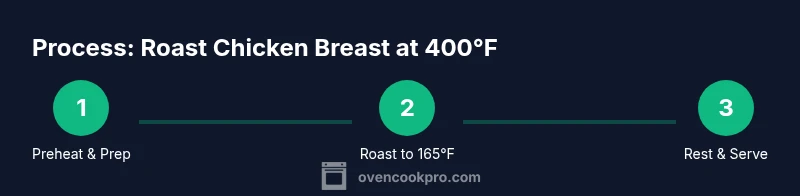
If you want a fast summary, preheat to 400°F, pat dry and season, bake until 165°F at the thickest point, rest 5 minutes, then serve. This compact approach aligns with Oven Cook Pro’s best-practice guidance and gives you reliable, juicy results with minimal guesswork.
Tools & Materials
- Oven(Preheat to 400°F before baking)
- Baking sheet or shallow roasting pan(Line with parchment or silicone mat)
- Parchment paper or silicone mat(For easy cleanup and browning)
- Meat thermometer(Probe thickest part to reach 165°F)
- Tongs or spatula(For safe handling of hot meat)
- Olive oil or neutral oil(Lightly coat for browning)
- Salt and pepper(Season generously but evenly)
- Garlic powder or dried herbs (optional)(For flavor variations)
- Aluminum foil or parchment (optional)(For extra cleanup or resting cover)
Steps
Estimated time: 25-35 minutes
- 1
Preheat oven
Set the oven to 400°F and allow it to fully come to temperature before placing the chicken inside. A steady heat ensures even cooking and browning on the surface.
Tip: If your oven runs hot, slightly lower the temperature by 25°F and monitor closely. - 2
Prepare the chicken
Pat the chicken breasts dry with paper towels to remove surface moisture, then lightly oil and season with salt and pepper (and optional garlic powder or herbs).
Tip: Dry surfaces promote browning and caramelization. - 3
Arrange on pan
Space the pieces evenly on the lined baking sheet; avoid touching to ensure air can circulate for uniform browning.
Tip: Using parchment helps prevent sticking and makes cleanup easier. - 4
Bake and monitor
Place the pan in the middle rack and bake until the thickest part reads 165°F on a thermometer. Start testing early for thinner pieces.
Tip: Rotate the pan halfway through if your oven has hot spots. - 5
Rest the meat
Remove from oven and loosely cover with foil; let rest for 5 minutes to allow juices to redistribute.
Tip: Resting improves juiciness and slice quality. - 6
Serve or store
Slice against the grain and serve with a fresh squeeze of lemon or your favorite sides; if batching, portion into containers for later meals.
Tip: Keep portions uniform for even reheating.
Questions & Answers
What internal temperature should chicken reach when cooked at 400°F?
Poultry must reach 165°F (74°C) throughout to be safe to eat. Use a calibrated meat thermometer to check the thickest part.
Cook the chicken until it reaches 165 degrees Fahrenheit, then rest before serving.
Can I use frozen chicken breasts for this method?
It's best to thaw frozen breasts before roasting to ensure even cooking. If you must roast from frozen, plan for longer time and verify doneness with a thermometer.
thawed chicken cooks more evenly. If starting frozen, expect longer bake time.
What if my breasts are very thick?
Uniform thickness is ideal. If thick, consider pounding them to even out the size or finishing with a brief broil to brown the top.
If very thick, gently flatten for even cooking.
Should I cover the meat while roasting?
Covering can steam the surface, reducing browning. For best browning, roast uncovered and let the surface dry slightly before going into the oven.
No cover during roasting for browning; cover only if needed to trap moisture.
How long can I store cooked chicken safely?
Cooked chicken keeps best in the fridge for 3-4 days in airtight containers; freezing is an option for longer storage.
Store in the fridge up to 4 days or freeze for longer.
Watch Video
Main Points
- Preheat to 400°F for reliable browning.
- Use a thermometer to confirm 165°F safely.
- Rest 5 minutes before slicing for juiciness.
- Keep pieces evenly sized for uniform cooking.
- Cook with minimal added fat to emphasize natural flavors.