Electric Convection Oven: A Complete Home Guide
Learn how to choose, operate, and maintain an electric convection oven with practical steps, safety tips, and expert guidance from Oven Cook Pro.


Electric convection ovens use a fan to circulate hot air for faster, more even cooking. Use lower temperatures, monitor browning closely, and avoid overcrowding. See our detailed step-by-step guide for practical application.
What is an electric convection oven and how it differs
Electric convection ovens integrate a built-in fan that circulates hot air around the chamber. This design accelerates heat transfer, reduces hot spots, and promotes even browning, allowing you to bake at lower temperatures and achieve crisper exteriors. The key distinction from traditional radiant ovens is the active air movement, which can dramatically shorten cooking times for sheet-pan dinners, roasted vegetables, and pastries. When evaluating a model, look at fan location, insulation quality, and whether true convection (fan plus an additional heating element) is available for precise control and consistent results across recipes.
Brand note: for many home cooks, the convection system makes everyday cooking more predictable and enjoyable, especially when feeding a family or hosting guests.
Critical features and settings to master
To get the most from an electric convection oven, learn each feature and setting. Key controls include: temperature knob with programmable offsets, convection fan on/off, and a dedicated bake mode. Many modern units offer a turbo boost that increases air flow for rapid browning, plus a proofing setting for dough at warm humidity. Calibrate with an oven thermometer and always use the rack position appropriate for your dish: lower racks for breads, middle racks for most cakes and roasts, and upper racks for broiling or crisp tops. The right rack placement ensures air can circulate around your pan, preventing cold spots and uneven browning. Finally, set a slightly lower temperature than your recipe states when convection is active, and increase monitoring with a timer to avoid overcooking. According to Oven Cook Pro, regular calibration yields more consistent results across recipes.
Preheating, rack placement, and airflow
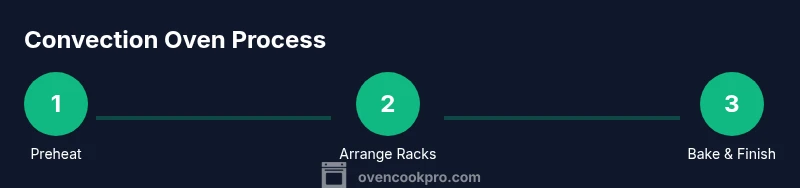
Preheating is essential in convection cooking because the fan circulates air from the moment heat is generated. Preheat fully to the target temperature before loading food. Place racks to maximize airflow—leave space between pans and avoid stacking items directly above one another. If you use multiple trays, stagger them so air can pass around each tray. For sheet-pan meals, rotate trays halfway through to promote even browning. Maintain consistent spacing and avoid blocking vents or the fan with foil or oversized pans. If you notice uneven crusts, check that the oven fan is operating and that air can circulate freely.
Temperature and bake-time adjustments for common foods
Convection cooking often requires lowering temperatures by approximately 25°F (15°C) and shortening bake times by 10-30% compared with conventional ovens. For cookies and pastries, reduce temp and watch closely for faster edges. Roasted vegetables benefit from high heat with a light oil coating and single-layer arrangement. Meats can brown nicely with convection, but larger roasts may need a longer resting period to reabsorb juices. Fish cooks quickly; aim for a shorter cook time and monitor internal temperature. Always use an instant-read thermometer to verify doneness.
Tips for multi-rack cooking and pans
Cooking on two or more racks simultaneously saves time but requires careful planning. Use lightweight, flat-bottomed pans to maximize air flow. Avoid stacking pots or using deep, narrow containers that impede air movement. Lining pans with parchment or silicone mats helps with cleanup and heat distribution. If pans are different materials (metal vs glass), you may see different browning rates; adjust positioning accordingly. When using metal with high water content (like frozen foods), consider a parchment barrier to prevent moisture-related soggy bottoms.
Maintenance, cleaning, and safety practices
Regular cleanliness supports performance and food safety. Wipe the interior after use once it cools, removing breadcrumbs that can burn and produce smoke. Use non-abrasive cleaners and avoid chlorine bleach near the heating elements. Clean the door glass to monitor browning without opening the oven too often. Inspect seals and gaskets for wear; replace cracked seals to maintain efficiency. Always unplug and cool down before any maintenance, and use heat-resistant gloves when touching hot racks. Follow manufacturer guidelines for self-cleaning cycles to prevent damage or harmful fumes.
Troubleshooting common convection oven issues
If your food isn’t browning evenly, check that the convection fan is running and not obstructed. Uneven heat can result from improper rack placement or oversized pans blocking airflow. If the oven takes longer to preheat, ensure the door seals are intact and the door latch closes fully. A smoky oven or burnt smells indicate spilled oils or sugary foods; clean promptly and verify racks aren’t dirty. If food dries out, consider reducing bake times further or adding a small amount of steam early in the bake. Finally, ensure vents aren’t blocked by cookware or packaging.
Practical cooking ideas and recipe heuristics
Leverage the convection advantage with sheet-pan dinners, roasted vegetables, and crispy fish. For bread and pastries, align doughs to the middle rack and maintain even spacing. Use convection for reheating leftovers to restore texture quickly, avoiding sogginess by using a shallow container and small portions. For recipes originally written for conventional ovens, reduce the temperature by 25°F (15°C) and start checking earlier. Practice makes perfect: keep a log of temperatures, rack positions, and times to refine your own best settings.
AUTHORITY SOURCES
- US Department of Agriculture (USDA) Food Safety and Inspection Service: Cooking temperatures and safe internal temps. https://www.fsis.usda.gov/food-safety/safe-food-handling-and-preparation/cooking-temperatures
- National Institute of Standards and Technology (NIST): Oven heat measurement and calibration resources. https://www.nist.gov
- Cooperative Extension/University of Minnesota: Practical kitchen safety and convection tips. https://extension.umn.edu/food-safety
Tools & Materials
- Oven-safe thermometer(Place near center rack to verify internal temperatures)
- Oven-safe racks and baking sheets(Prefer flat-bottomed, metal pans for best airflow)
- Parchment paper or silicone baking mats(For easy release and even heat distribution)
- Oven mitts or gloves(Heat-resistant to handle hot racks safely)
- Timer or smart device(Set multiple alerts for shifts in heat during long cooks)
- Soft cloth and non-abrasive cleaner(Clean interior without scratching coating)
- Silicone brush or spatula(For applying oil or glazes without mess)
Steps
Estimated time: 60-90 minutes
- 1
Decide recipe and prep ingredients
Choose a dish that benefits from even heat, like sheet-pan chicken with vegetables or cookies that spread evenly. Gather ingredients, chop, and measure before heating. This reduces hand-waving mid-cook, which can break air-flow continuity.
Tip: Having everything prepped prevents opening the oven door often, which disrupts convection currents. - 2
Preheat the oven and set convection
Turn on the oven and activate the convection setting if available. Preheat to the target temperature, accounting for a 25°F (15°C) reduction for most baked goods. Use an oven thermometer to confirm the actual temperature matches the dial.
Tip: Avoid using the convection boost on delicate pastries unless the recipe calls for it. - 3
Prepare pans and load racks
Line pans with parchment or silicone mats. Place pans on racks with ample space between them for airflow. If using multiple trays, position them in staggered fashion rather than directly above one another.
Tip: Rotate trays halfway through bake to promote even browning. - 4
Start cooking and monitor
Load food and set a timer for the adjusted bake time. Check progress at the lower end of the suggested window and use the thermometer to verify internal temperatures when needed.
Tip: Do not rely on color alone for doneness; internal temperature matters more with convection. - 5
Assess doneness and finish
Remove items once done; some foods may need a brief rest to finish cooking via carryover heat. Resting stabilizes juices and textures.
Tip: If browning is uneven, consider another brief pass under the broil setting for a minute or two, watching closely. - 6
Cool, clean, and maintain
Let racks cool before cleaning. Wipe the interior after use and remove any splatters promptly. Clean the door glass and inspect seals for wear.
Tip: Schedule a light cleaning after every few uses to maintain performance.
Questions & Answers
What is an electric convection oven?
An electric convection oven uses a fan to circulate hot air for faster, more even cooking. It can reduce bake times and improve browning, especially on sheet pans and pastries. Always verify doneness with a thermometer.
An electric convection oven uses a fan to circulate hot air for faster, more even cooking. Check doneness with a thermometer and adjust temperature accordingly.
Can I use foil or parchment inside a convection oven?
Parched parchment and silicone mats are preferred for easy cleanup and airflow. Foil can block air circulation if placed improperly, so use it only when the recipe requires it and avoid covering vents.
Parchment or silicone mats are best for airflow. Use foil sparingly and keep vents clear.
Should I always preheat a convection oven?
Preheating is recommended to ensure even air distribution. However, some recipes designed for cold-start can be cooked without preheating. When in doubt, preheat to the target temperature and confirm with a thermometer.
Preheating helps convection air settle evenly. If a recipe allows cold-start, follow the guidance there.
Can I cook on multiple racks at once?
Yes, convection excels with multi-rack cooking as air moves around each pan. Leave space between racks and rotate trays for even results. Be mindful of pan sizes to avoid blocking airflow.
Absolutely—use space between racks and rotate trays for even results.
Is convection suitable for every recipe?
Most recipes benefit from convection, especially roasted vegetables, cookies, and sheet-pan meals. Some delicate dishes may fare better with conventional settings. Always verify with the recipe and monitor closely.
Convection works for many dishes, but check delicate recipes first.
Watch Video
Main Points
- Preheat properly and avoid overcrowding
- Use convection for most baking tasks
- Lower temps and shorter times when convection is on
- Use proper rack positions and airflow
- Always verify doneness with a thermometer