How to Cook Chicken Tenders in the Oven: A Complete Guide
Learn how to bake crispy, juicy chicken tenders in the oven with a detailed, expert-driven step-by-step guide. Prep, coating, bake times, and tips for perfect results every time.


You will learn how to bake crispy, evenly cooked chicken tenders in a home oven. Gather pantry staples and a baking sheet, parchment paper, and tongs for safe handling. This guide covers prep, seasoning, coat, bake times, and how to avoid rubbery interiors, plus quick tips for oil-free and gluten-free options.
Why Oven-Baking Chicken Tenders Delivers Consistent Results
According to Oven Cook Pro, mastering the chicken tenders oven technique yields reliably browned, juicy meat with minimal hands-on time. When baked properly, the exterior develops a light crust while the interior stays tender. The key is even heat distribution, thoughtful preheating, and a coating that adheres without weighing the tender down. For home cooks, this method reduces mess and keeps the kitchen cooler than pan-frying, making it ideal for weeknight dinners or meal prep. The goal is a uniform internal temperature, a crisp exterior, and a moist center that stays delicious from first bite to leftovers. The technique translates well to different oven types, so understanding the basics helps you adapt with confidence and maintain consistent results every time you make chicken tenders oven style.
Ingredient Philosophy and Flavor Profiles
The flavor profile of oven-baked chicken tenders comes from a balance of lean chicken, a light coating, and seasoning that enhances rather than overwhelms. Start with boneless, skinless chicken tenders or cut chicken breasts into uniform strips for even cooking. A simple dry rub of salt, pepper, paprika, and garlic powder provides a savory backbone, while a breadcrumb or flour-based crust adds texture. If you want a bolder crust, you can mix panko breadcrumbs with a teaspoon of cornstarch for extra crunch. For a milder option, skip the breading entirely and rely on a seasoned oil coating. Remember that oil helps browning and helps the crust cling, so don’t skip it entirely. This approach keeps the chicken tenders oven-friendly and family-friendly.
Coating Options: Crunch vs Tender
Two common approaches give you different textures. A light dredge in flour or cornstarch creates a delicate crust, while breadcrumbs or crushed crackers yield a robust, crackly crust. For gluten-free cooks, use a cornstarch–almond flour blend with breadcrumbs made from gluten-free crackers. A dip in beaten egg or dairy-free alternative helps the coating adhere, followed by a second coating layer if you want extra crunch. If you’re short on time, a simple spice rub with a thin layer of oil can still deliver tasty results without a heavy crust.
Prep Steps: Thaw, Dry, and Season
If you’re starting with thawed chicken, pat it dry with paper towels to remove surface moisture. Moisture on the surface can steam rather than brown, leading to soggy crust. Season generously with salt and spices before coating, ensuring even coverage. For best results, allow the seasoned chicken to rest for 10–15 minutes so the flavors penetrate the surface. This step is especially important if you’re cooking chicken tenders oven-style for a family meal, as consistent seasoning elevates the final dish.
Coating Deep-Dive: Flour, Cornstarch, and Spices
A common method uses a two-step coating: a light dusting of seasoned flour or cornstarch to help the oil adhere, followed by a breadcrumb or broken cracker crust. Cornstarch can improve lightness and crispness, particularly in convection ovens. If you prefer a gluten-free crust, swap out flour for almond flour or gluten-free breadcrumbs. Spices can include paprika for warmth, garlic powder for savoriness, onion powder for depth, and a pinch of cayenne for heat. This approach ensures the chicken tenders oven bake evenly and stay moist inside.
Pan Setup and Lining: Parchment Paper and Oil
Prepare the baking sheet with parchment paper to prevent sticking and for easy cleanup. A light spray of neutral oil or a thin coating of oil on the parchment helps the crust brown evenly. If you want maximum air circulation, place a wire rack on the sheet so air can circulate around each tender; this creates extra crispness, but it isn’t strictly necessary. Ensure the layer is not overcrowded; give each tender space to brown and crisp. Proper pan setup is a simple step that pays off with better texture and even cooking.
Oven Temperature, Time, and Doneness
Typically the chicken tenders oven bake at a high heat to promote browning while preserving moisture. A common guideline is preheating to around 425°F (220°C) and baking for about 12–15 minutes, turning once for even crust development. Exact times can vary with tender thickness and crust thickness, so rely on visual cues and internal temperature to confirm doneness. The safe internal temperature is 165°F (74°C). When cooked properly, you’ll see a golden crust and juicy interior. If using a convection oven, reduce the temperature by about 25°F to avoid over-browning.
Variations: Gluten-Free, Spicy, and Citrus Herbed
You can customize the flavor profile by swapping ingredients in the crust or rub. For a gluten-free version, use gluten-free breadcrumbs or almond flour-based coatings and ensure your spices are gluten-free as well. To add heat, blend cayenne or chili powder into the spice mix. For a bright, fresh note, a citrus zest (lemon or orange) can be added to the coating or the dipping sauce. A garlic-herb mix, including thyme and rosemary, pairs well with a simple yogurt dip or a light mayo-based sauce. The options let you tailor the dish to different tastes while keeping the base technique intact.
Sides, Dipping Sauces, and Meal Planning
Pair your chicken tenders oven-baked with classic sides like mashed potatoes, corn, or a green salad for balance. For dipping, offer a creamy ranch, honey mustard, or salsa that complements the crust. A simple meal plan can involve baking a larger batch, then portioning into containers for lunches throughout the week. Consider freezing a batch before baking, then finishing in a hot oven for quick meals. The ease of reheating is one of the biggest advantages of cooking chicken tenders in the oven.
Troubleshooting and Common Mistakes
Common issues include overloading the pan, which crushes the crust and prevents browning, or not preheating the oven long enough, which leads to uneven cooking. If the crust seems pale, increase the oven time by a few minutes or lightly brush the crust with oil before returning to the oven. If the interior is undercooked, reduce the coating thickness or increase the cooking time slightly. Use a meat thermometer to verify the internal temperature reaches 165°F. Let the tenders rest briefly after baking to finish cooking carryover heat and to keep juices locked in.
Storage and Reheating
Store cooked chicken tenders in an airtight container in the refrigerator for up to 3–4 days. To reheat, use the oven to maintain crispness: bake at 375°F (190°C) for about 8–10 minutes, turning halfway. Avoid microwaving if you want to preserve texture; it can make the crust soggy. Freezing uncooked tenders before coating is a convenient option for future meals; coat and freeze on a sheet pan, then transfer to a bag for long-term storage. When ready to bake, add a few extra minutes to account for the frozen state.
Plate and Serve: Fresh vs Reheated Crisp
Serving chicken tenders oven-fresh yields the best texture, but reheated leftovers can still be delicious with the right method. Crispness is enhanced by a light brush of oil and ensuring the crust has enough fat to render. If you’re plating for guests, consider a dipping sauce array and a small garnish of chopped parsley or lemon zest for color and brightness. The combination of texture, flavor, and simple side dishes makes this a reliable meal option any night of the week.
Tools & Materials
- Baking sheet (rimmed)(18x13 inches or larger)
- Parchment paper(for easy cleanup)
- Cooling rack(optional for crispier edges)
- Mixing bowls(for coating and prep)
- Whisk or fork(to blend spices and oil)
- Meat thermometer(target 165°F internal)
- Neutral oil spray(light coating to aid browning)
- Kitchen tongs(for safe turning)
- Boneless chicken tenders(patted dry before coating)
- Seasoning set (salt, pepper, paprika, garlic powder, optional chili powder)(for flavorful coating)
Steps
Estimated time: 30-45 minutes
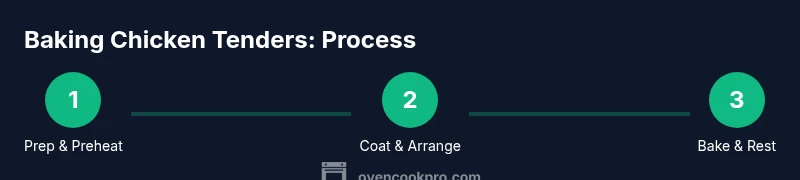
- 1
Preheat the oven and prepare the pan
Preheat your oven to 425°F (220°C). Line a baking sheet with parchment paper and, if desired, set a wire rack on top for extra crispness. This creates the ideal environment for browning and even cooking without sticking.
Tip: Preheating ensures the crust starts browning immediately when the tender hits the sheet. - 2
Pat dry and season the chicken
Pat chicken tenders dry with paper towels to remove surface moisture. Season evenly with salt, pepper, and a paprika-garlic blend. Let the spices absorb for 5–10 minutes if you have time.
Tip: Dry surfaces promote crisp coating; moisture is the enemy of browning. - 3
Prepare the coating mixture
In a bowl, combine flour or cornstarch with additional spices. In a second bowl, whisk an egg or dairy-free alternative. The flour layer helps the crust adhere while the egg binds the coating.
Tip: A light, even dusting prevents clumps and encourages even browning. - 4
Dredge and coat the tenders
Dip each tender in the egg, then roll in the coating to fully cover. Shake off excess so the crust adheres without shedding during baking.
Tip: For extra crunch, apply a second light coat after the first layer dries slightly. - 5
Arrange on the sheet
Place coated tenders on the lined sheet in a single layer with space between pieces. Do not crowd; air needs to circulate to achieve even browning.
Tip: Crowding slows down browning and can make the crust soggy. - 6
Bake and monitor
Bake 12–15 minutes, then flip and bake 2–4 minutes more if needed until golden brown and crisp. Use a thermometer to check 165°F (74°C) internal temperature.
Tip: If using convection, reduce temperature by 25°F and keep an eye on crust color. - 7
Rest briefly and check doneness
Remove the tenders from the oven and let rest 3–5 minutes. Carryover cooking will finish the job and keep the center moist.
Tip: Resting prevents juices from running when you cut into the tender. - 8
Serve or store
Serve hot with dips or sides. For leftovers, refrigerate within two hours and reheat in a hot oven to preserve crispiness.
Tip: Reheating in the oven maintains texture far better than microwaving.
Questions & Answers
What internal temperature should chicken tenders reach when baked in the oven?
Aim for an internal temperature of 165°F (74°C) to ensure safety and juiciness. Use a meat thermometer inserted into the thickest part without touching the pan.
Aim for 165 degrees Fahrenheit using a meat thermometer for safe, juicy chicken.
Can I bake chicken tenders from frozen?
Yes, but expect longer cooking times and a potentially less crispy crust. It’s best to thaw briefly if possible and adjust bake time accordingly.
You can bake from frozen, but thawing improves texture and you may need extra bake time.
Which coating yields the crispiest chicken tenders?
A light cornstarch or flour dredge followed by a breadcrumb crust typically yields the crispiest exterior without drying the meat.
Cornstarch-based dredges with breadcrumbs usually give the crispest crust.
Can I glaze or sauce the tenders during baking?
Glazes can be added near the end of baking, or served with dipping sauces on the side. Adding glaze early can prevent browning.
You can glaze near the end or serve with dips; avoid glaze during the entire bake.
How can I keep chicken tenders moist after baking?
Avoid overcooking, pat dry before coating, and consider a slight oil drizzle to retain moisture. Resting briefly after baking also helps.
Don’t overcook and let them rest a few minutes after baking.
What tools help assess doneness besides a thermometer?
In addition to a thermometer, check that juices run clear and the crust is golden brown. A slight bounce indicates tenderness without being underdone.
Use a thermometer as the primary check; look for golden crust and clear juices.
Watch Video
Main Points
- Preheat and space items for even browning.
- Dry surface and proper coating yield crisp crusts.
- Internal temperature should reach 165°F.
- Choose coating style to match texture preference.
- Rest briefly before serving to keep juices intact.