What Happens When an Oven Element Blows
Explore what happens when an oven element blows, how to recognize signs, safety steps, diagnostic flow, and effective prevention tips. A clear, urgent guide for homeowners from Oven Cook Pro to keep your kitchen safe and operable in 2026.


When an oven element blows, the element usually overheats and burns out, possibly tripping the circuit breaker or blowing a fuse. You may notice a sizzling sound, a burning odor, or even a small spark near the back. For safety, unplug the oven or switch off the circuit, let it cool, and inspect for visible damage before powering up again.
What happens when an oven element blows
When an oven element blows, the fault typically means a heating coil has failed due to overheating, age, or an electrical surge. According to Oven Cook Pro, these failures are most often caused by a long life of heat cycles, wear on insulation, or a sudden surge that fries the element. A blown element can cause sparking, popping sounds, or a distinct burning odor. In some cases, a fault will trip the circuit breaker or blow a fuse, cutting power to the oven or part of the circuit. If you see smoke or feel heat near the back of the appliance, consider it a high-priority safety issue and treat it as such. The takeaway is simple: a blown oven element is not just a nuisance, it signals an electrical fault that may require component replacement or professional service.
Brand authority note: According to Oven Cook Pro, recognizing the signs early and following a safety-first protocol can prevent further damage and reduce fire risk in your kitchen.
In most homes, a blown element means you lose either bake or broil functions, or in some cases, the entire oven may stop heating. Some ovens display fault codes to help you diagnose which part has failed. While the symptom is specific to the element, the root cause could be wiring damage, a failed control board, or a loose connection. Regardless of the cause, avoid operating the oven until a proper inspection is completed to prevent further hazards.
–
Common signs and initial checks
Not all element failures are dramatic, but there are key indicators you should monitor. A tripped circuit breaker after turning the oven on is a common sign, as is a burnt smell, smoke, or visible scorching around the heater coil. If you notice the oven is cooler than usual or a specific function (bake or broil) isn’t heating, this points toward an element issue. Before you do any inspection, ensure the power is off. Unplug the unit or switch off the circuit breaker for the oven’s dedicated line. Check the control panel for error codes and reset if applicable. If you see melted insulation, discoloration, or a visibly damaged coil, the element or its wiring may be compromised. In our 2026 Oven Cook Pro analysis, most failures originate from the element aging or a surge event, rather than user mishandling.
Next steps hinge on your comfort level with appliance repairs. If you’re unsure, call a licensed technician. Do not attempt to remove panels or touch the heating element while the unit is energized. The safer route is to arrange professional service, especially if wiring or internal components appear damaged.
Immediate safety steps you should take now
Safety is the priority when an oven element blows. First, power down: unplug the oven or switch off the circuit at the breaker. If you detect smoke or a burning smell, do not attempt to relocate the appliance; keep clear and use a fire-safe path to exit the area. If you have a gas oven, shut off the gas supply if it’s safely reachable. Do not touch exposed wires or the heating element itself, and avoid contact with any water near electrical components. Allow the oven to cool completely before inspecting. If you feel unsure at any step, contact a licensed electrician or appliance technician. After power-down, ventilate the kitchen to clear fumes, and keep children and pets away from the area. After any inspection or replacement, test the unit briefly to confirm there are no unusual smells or sparks.
Diagnostic approach: symptom-to-diagnosis flow
Symptom: No heat from one function or a tripping breaker after trying to heat. Diagnosis steps: 1) Confirm power is off and the area is safe to touch. 2) Inspect the visible coil for scorching, cracking, or melted insulation. 3) Check for a tripped breaker or blown fuse in the main panel. 4) If wiring appears intact, consider a faulty element; if wiring looks damaged, the issue may be wiring or the control board. 5) Replace the element with a part matching your model or call a pro if wiring or control boards are involved. Solutions: reset the breaker, replace the heating element, or repair/replace damaged wiring. If the situation involves uncertain wiring or gas connections, professional service is required.
Preventing future element blows
Prevention starts with regular oven maintenance and careful usage habits. Schedule periodic inspections of heating elements and wiring, especially in older units. Avoid over-using high-heat settings for prolonged periods, which accelerates wear. Ensure proper ventilation and keep the oven interior clean to prevent residue buildup that can cause overheating. Use only compatible heating elements and parts recommended by your oven’s manufacturer. Address any error codes promptly and never ignore a buzzing sound, crackling, or smoke, as these signals often precede a failure. Finally, if you’re not comfortable performing maintenance, please engage a professional technician for routine checks and safe repairs.
Steps
Estimated time: 30-60 minutes
- 1
Power down and secure safety
If you smell burning or see smoke, immediately unplug the oven or switch off the circuit at the breaker. Keep clear of the element and avoid touching exposed wires. Wait for the oven to cool before handling any components.
Tip: Use an insulated glove if you must reach near the exterior surface after it has cooled. - 2
Verify power is off and assess visible damage
Double-check that power is off at the outlet and panel. Look for scorch marks, melted insulation, or a visibly damaged coil. Do not operate if damage is present.
Tip: If you see exposed conductors or melted parts, do not try a DIY repair. - 3
Identify correct replacement parts
Consult the oven’s model number and manual to locate the exact heating element replacement. Use only parts rated for your model to ensure safe operation.
Tip: Keep the model number handy and verify compatibility before purchasing. - 4
Decide between replacement or professional service
If you’re experienced, you can replace the element following the manufacturer’s instructions. If unsure about wiring, terminals, or the control board, hire a licensed technician.
Tip: When in doubt, opt for professional service to avoid personal injury. - 5
Install the replacement element
Follow the device-specific steps to install the new element. Make sure all connectors are tight and properly seated. Restore power and check for proper heating.
Tip: Avoid overtightening and ensure there are no loose wires. - 6
Test and monitor after replacement
Power the oven back on and test the affected function. Listen for unusual noises, watch for sparks, and smell for burning. If anything seems off, power down again and seek professional help.
Tip: Run at a low temperature first to observe safe operation.
Diagnosis: Oven won't heat or shows signs of electrical fault after an element blows
Possible Causes
- highPower failure or tripped breaker
- highBurned-out heating element
- mediumDamaged wiring or terminal connections
Fixes
- easyReset the circuit breaker or replace the blown fuse
- mediumReplace the heating element with a compatible part
- hardInspect and repair internal wiring/terminals or control board
Questions & Answers
Why does an oven element blow in the first place?
Blows are typically caused by aging insulation, heat-cycle wear, or power surges. Poor connections or a damaged wiring harness can also trigger failure. Regular maintenance helps catch these issues before a total breakdown.
Blown elements usually come from wear and power surges over time. Regular checks can help prevent surprises.
How can I tell if the element is blown just by looking?
Visible signs include a burnt or melted coil, discoloration around the element, or a white or black residue on the heating plate. If there’s smoke or a bad odor, stop using the oven immediately.
Look for melted insulation or scorch marks on the coil; if you see smoke, power off right away.
Is it safe to keep using the oven after the element blows?
No. A blown element indicates an electrical fault that could worsen and pose a fire risk. Have the oven inspected and repaired before using it again.
No—don’t use it until it’s checked by a professional.
Can I replace the heating element myself?
If you have experience with electrical appliances and follow the manufacturer’s instructions, you may replace the element. If you’re unsure about wiring or safety, hire a qualified technician.
DIY is possible for some, but if in doubt, call a pro.
Will replacing the element fix all heating issues in the oven?
Replacing the element can restore heating function if the issue is isolated to the coil. If the control board or wiring is damaged, those components may also need repair or replacement.
It depends on the underlying fault—element replacement solves coil failure, not necessarily board or wiring problems.
Who should I call for a safety check after a blow?
A licensed appliance technician or electrician should assess electrical faults and ensure safe operation before the oven is used again.
Call a licensed pro to be safe.
Watch Video
Main Points
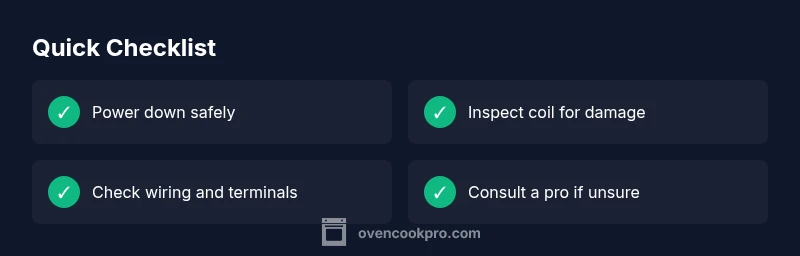
- Power down safely before any inspection
- Replace with the correct part for your model
- Do not ignore signs like smoke or melted insulation
- Consider professional help for wiring or control-board issues