Pork Chop Recipe Oven Easy: Juicy, Simple & Quick Everyday
Discover an easy pork chop recipe cooked in the oven. This comprehensive guide covers bone-in and boneless chops, seasoning ideas, timing, doneness, and storage to ensure juicy, flavorful results every time.


By the end, you’ll master a reliable, oven-baked pork chop that stays juicy and flavorful. This method works with boneless or bone-in cuts, using a simple spice mix and a hot, even oven for even browning. Gather pantry staples, a sheet pan or skillet, and an instant-read thermometer for best results.
Why Oven Cooking Delivers Juicy Pork Chops
According to Oven Cook Pro, oven-baking pork chops provides gentle, even heat that helps retain moisture and prevents the dramatic drying associated with some stovetop methods. A brief, high-heat start creates a golden crust, then finishing in the oven ensures uniform doneness all the way through. This approach also minimizes active time at the stove, which is a boon for busy weeknights. For best results, use a thermometer and avoid guessing at doneness. In this guide we cover bone-in and boneless options, with practical timing for different thicknesses and tips to keep the meat juicy.
Choosing the Right Pork Chops
Pork chops come in bone-in and boneless varieties, and thickness greatly influences cooking time. A 3/4-inch to 1-inch thickness is common for oven cooking; thicker chops benefit from a longer finish in the oven, while thinner chops finish quickly and can overcook if not monitored. Look for chops with light marbling, which helps flavor and moisture. If possible, buy from a trusted butcher and rest the meat at room temperature for about 15 minutes before cooking to promote even cooking. Oven Cook Pro's analysis highlights that consistent thickness yields the most predictable results.
Flavor Boosters and Marinades
A simple salt-and-pepper rub is enough to showcase pork, but many home cooks enjoy a garlic-herb variation or a paprika-spice rub for extra depth. Classic options include minced garlic, chopped herbs (rosemary, thyme), and a touch of smoked paprika for an inviting aroma. If you’re short on time, a quick dry rub of salt, pepper, garlic powder, and paprika works beautifully. For a marinade, mix olive oil, lemon juice, garlic, and herbs and let the chops rest 15–30 minutes before cooking. The goal is to enhance flavor without overpowering the pork’s natural sweetness.
Tools and Equipment You'll Use
A lined sheet pan or rimmed baking sheet is ideal for oven pork chops, especially when using a rack to promote even browning. An instant-read thermometer is essential to avoid overcooking. If you prefer a sear, a cast-iron skillet or other oven-safe pan can provide a quick initial browning before the oven finish. Have a cutting board, tongs, and a clean kitchen towel handy for handling hot items. Lining the pan with parchment makes cleanup easier and helps prevent sticking.
Step-by-Step Overview
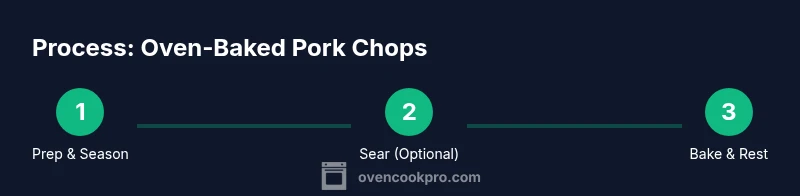
This method combines a brief sear (optional) with a precise oven finish. The key is starting with dry chops, seasoning evenly, and using a thermometer to confirm doneness. Arrange the chops with space between them on the rack or pan to ensure air can circulate, promoting browning on all sides.
Temperature, Time, and Doneness Baselines
For most 3/4-inch to 1-inch chops, preheat the oven to 425°F (220°C). Expect bone-in chops to require a few minutes longer than boneless ones, and thicker cuts will need more time than thin cuts. A safe, juicy finish is achieved at an internal temperature of 145°F (63°C), followed by a short rest. Resting helps redistribute juices and keep the meat moist. Adjust times based on thickness and your oven’s performance, as home ovens vary.
Getting a Golden Crust: Searing vs Finishing in the Oven
Searing in a hot pan for 1–2 minutes per side (if you’re using a skillet) creates an appealing crust and adds flavor. If you skip searing, you’ll still achieve browning through the high-heat oven finish, but the crust may be slightly less pronounced. Either path works well for oven-baked chops; the important part is achieving a balanced crust without overcooking the interior.
The Baking Phase: Layout and Doneness Check
Place chops on a rack set over a sheet pan if you have one, or directly on the lined sheet. Space them evenly so air can circulate. Bake until the thermometer reads 140–145°F (60–63°C), then rest off heat for 5 minutes to reach the recommended 145°F (63°C) final temperature. If you’re unsure about doneness, check with the thermometer at the thickest part of the chop. Avoid cutting into the meat to test doneness, as this releases juices.
Checking Doneness Safely
Never rely on color alone to determine doneness. Pork is safe at 145°F (63°C) with a 3-minute rest. Use an instant-read thermometer inserted into the center of the chop, away from bone. If you’re cooking bone-in chops, the bone can conduct heat differently, so verify temperature near the center of the meat rather than near the bone. This ensures accurate results and preserves juiciness.
Sauce, Glaze, and Serving Ideas
A simple pan sauce made from the drippings, a splash of broth, and a pat of butter can elevate a basic pork chop. For a brighter finish, add a squeeze of lemon or a splash of white wine to the pan after searing and simmer briefly. Pair pork chops with roasted vegetables, mashed potatoes, or a crisp salad. A light glaze of honey-mustard can add a touch of sweetness and balance the savory profile.
Troubleshooting Common Issues
If chops are turning out dry, they may be overcooked or too thick for the chosen method. Ensure you pat dry, don’t crowd the pan, and monitor doneness with a thermometer. If you see uneven browning, rotate the pan halfway through baking. For a thin crust, increase the oven temperature slightly for the last 3–5 minutes, watching closely to prevent burning. If using a marinade, avoid long soak times that can toughen the meat.
Storage and Leftovers
Store cooked pork chops in an airtight container in the refrigerator for up to 3–4 days. Reheat gently in the oven at a low setting (about 325°F / 165°C) or use a quick reheat in a skillet with a little broth to retain moisture. Slice leftovers to reheat evenly, and consider repurposing into a wrap, salads, or a quick stir-fry for variety.
Tools & Materials
- Sheet pan or rimmed baking sheet(Line with parchment for easier cleanup; use a rack if you have one to promote air circulation)
- Wire rack (optional)(Elevates chops for even browning)
- Oven-safe meat thermometer(Instant-read preferred for accuracy)
- Cast-iron skillet or oven-safe pan (optional for searing)(Can help develop a crust before the oven finish)
- Olive oil or neutral cooking oil(Lightly coat chops or pan to prevent sticking)
- Kosher salt and freshly ground black pepper(Season generously and evenly)
- Garlic powder, paprika, dried herbs (optional)(Use to create different flavor profiles)
- Aluminum foil or parchment paper(Optional for easier cleanup during resting)
Steps
Estimated time: 25-40 minutes
- 1
Preheat & prep
Preheat the oven to 425°F (220°C). Pat chops dry with paper towels, then lightly oil and season both sides with salt, pepper, and any chosen dry rub or herbs.
Tip: Dry surfaces before searing or roasting to promote browning. - 2
Season evenly
Evenly apply seasonings; for extra flavor, rub a garlic powder and paprika mix into the surface. Let sit 5–15 minutes if possible to maximize flavor absorption.
Tip: Seasoning early helps form a flavorful crust. - 3
Sear (optional)
If using a skillet, heat oil over medium-high heat and sear chops 1–2 minutes per side until a light crust forms.
Tip: Don’t overcrowd the pan; work in batches if needed. - 4
Arrange on rack
Place chops on a rack set over a sheet pan, leaving space between pieces for air circulation.
Tip: Airflow yields more uniform browning. - 5
Bake to doneness
Transfer to the oven and bake until the center reaches 145°F (63°C). Bone-in chops may take slightly longer than boneless.
Tip: Use thermometer as your guide; avoid relying on color alone. - 6
Rest before serving
Remove from heat and let chops rest for 5 minutes to reabsorb juices.
Tip: Resting makes every bite juicier and more flavorful. - 7
Serve with sides
Pair with roasted potatoes, greens, or a light veggie for a balanced meal.
Tip: A quick pan sauce from drippings adds a polished finish.
Questions & Answers
Can I cook bone-in and boneless pork chops in the same oven recipe?
Yes. Bone-in chops may need a few extra minutes per side, depending on thickness. Use a thermometer to confirm doneness and adjust timing accordingly.
Yes. Bone-in chops may take a bit longer; use a thermometer to verify they reach 145 degrees Fahrenheit.
What temperature is best for pork chops in the oven?
A common, reliable temperature is 425°F (220°C). This facilitates browning while finishing the meat through without drying it out.
Bake at 425 degrees for best browning and even doneness.
Should I cover pork chops while baking?
Uncovered baking promotes browning and crust formation. Use a lid or foil only if you’re cooking very thick chops or want to trap moisture.
Bake uncovered for browning; cover if you need to trap moisture for very thick pieces.
How can I tell if pork has reached safe doneness?
Use an instant-read thermometer; pork is safe at 145°F (63°C) with a 3-minute rest. Check the thickest part away from bone.
Check that the center is 145 degrees and let it rest for juiciness.
Can I bake frozen pork chops?
It’s better to thaw first for even cooking. If baked from frozen, expect a longer total time and adjust accordingly.
Thaw for best results; if freezing, give extra time and monitor doneness carefully.
What sides pair well with oven pork chops?
Roasted potatoes, green beans, or a bright salad complement pork chops nicely and round out the meal.
Roasted potatoes and greens make a great pairing.
Can I use marinades with pork chops in this method?
Yes, but keep marinades moderate to avoid overpowering the pork. Pat dry after marinating to promote browning.
Marinades work, just don’t oversaturate the meat; pat dry before cooking.
Watch Video
Main Points
- Preheat to 425°F for even browning
- Season generously and dry before cooking
- Monitor doneness with a thermometer
- Rest chops 5 minutes before serving
- Bone-in vs boneless require small timing adjustments