Oven Cooking Sweet Potatoes: A Step-by-Step Guide
Learn how to oven roast sweet potatoes for creamy interiors and caramelized exteriors. This guide covers selecting potatoes, prepping, roasting temps, timing, flavoring, and troubleshooting for consistently delicious results.


Steps: You will learn how to oven roast sweet potatoes, achieving creamy centers and caramelized edges. This guide covers selecting potatoes, prepping, proper roasting temperature, timing, and flavoring options. By following these steps, you’ll get evenly cooked pieces with minimal fuss. Tools, tips, and troubleshooters are included to help you cook confident, consistently tasty oven-cooked sweet potatoes.
Why oven cooking sweet potatoes shines
Oven-cooking sweet potatoes yields a tender, creamy interior with caramelized edges. According to Oven Cook Pro, roasting at 425°F (220°C) gives reliable browning and preserves interior softness. The Oven Cook Pro team found that uniform dice lead to even cooking, while a hot sheet pan helps the outside develop a light, crisp edge. This method is ideal for weeknight dinners and meal prep, offering repeatable results with simple ingredients.
Choosing and prepping sweet potatoes
Start by selecting medium-sized sweet potatoes with smooth skin and minimal blemishes. Wash or scrub thoroughly (peeling is optional; the skin adds texture and nutrients). Cut the potatoes into evenly sized pieces, aiming for about 1-inch chunks or sticks to promote uniform cooking and predictable timing. Drying the pieces after washing helps achieve crisper edges during roasting.
Preheating and equipment setup
Preheat the oven to 425°F (220°C) and prepare a rimmed sheet pan lined with parchment or a silicone mat. A hot, prepared surface prevents sticking and helps browning. If you’re cooking multiple pans, arrange them on separate racks or rotate during roasting to maintain even heat exposure. Use oven mitts and keep a timer handy for precise timing.
Cutting and portioning for even baking
Uniformity matters. Aim for 1-inch dice or evenly sized wedges so every piece cooks through at roughly the same rate. Larger pieces will require more time, while smaller ones may burn. If your pieces vary in size, you’ll need to adjust the total roasting time and flip more often to prevent scorching.
Roasting method: temperature, time, and rack position
Spread the cut potatoes in a single layer with space between pieces on the sheet. Roast for 20–25 minutes, then flip and continue roasting another 10–15 minutes until edges are lightly browned and interiors are soft. If you want extra crispiness, finish with a brief 2–3 minute broil, watching closely to avoid burning. A mid-oven rack generally works well for even browning.
Flavoring, toppings, and finishing touches
Toss the potatoes with a light coating of oil (olive or avocado) and your favorite seasonings—salt, pepper, paprika, garlic powder, or cinnamon for a hint of sweetness. For a savory finish, pair with fresh herbs and a squeeze of lime. For a sweeter profile, drizzle with a touch of honey or maple syrup after roasting. Rest a few minutes before serving to let flavors settle.
Troubleshooting and common mistakes
Common issues include uneven sizes, overcrowding the pan, and too high or too low temperatures. Overcrowding traps steam and prevents browning, so give each piece space. If you notice soggy edges, ensure the oven is fully preheated and the pan is dry before adding potatoes. Remember: consistent cutting and proper spacing are your best defense against undercooked centers and uneven browning.
Tools & Materials
- Chef's knife(sharp, 6-8 inch for clean cuts)
- Cutting board(stable surface; reserve a dedicated board for vegetables)
- Sheet pan(rimmed to catch any fats; multiple pans if cooking large batches)
- Parchment paper or silicone mat(prevents sticking and makes cleanup easier)
- Mixing bowl(for tossing with oil and spices)
- Tongs(for flipping without breaking pieces)
- Oven mitts(protect hands when handling hot pans)
- Measuring spoons(optional for precise spices)
- Oil (olive or avocado)(1-2 tablespoons for 1 pound of potatoes)
Steps
Estimated time: 35-50 minutes
- 1
Preheat oven and prepare pan
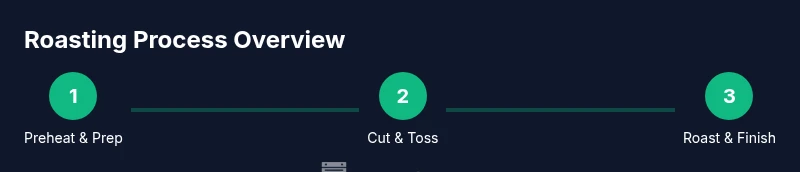
Set your oven to 425°F (220°C) and line a sheet pan with parchment or a silicone mat. This creates a hot, non-stick surface that promotes browning and makes cleanup easier. Calibrate your oven if you suspect uneven heating.
Tip: A properly preheated oven reduces batch-to-batch variation in browning. - 2
Rinse, peel (optional), and cut
Rinse the sweet potatoes to remove any soil. Peel if you prefer, though skin adds texture and nutrients. Cut into uniform 1-inch pieces or sticks so they cook evenly.
Tip: Uniform cuts prevent some pieces from finishing early while others stay firm. - 3
Toss with oil and seasonings
In a mixing bowl, toss the cut potatoes with 1–2 tablespoons of oil and your chosen seasonings until evenly coated. A light coating helps with browning without making the pieces soggy.
Tip: Oil helps conduct heat and promotes crisp edges. - 4
Spread in a single layer
Arrange the pieces in a single layer on the prepared pan, spacing them apart to allow hot air to circulate. Overcrowding leads to steaming instead of roasting.
Tip: If you’re cooking a large amount, use two pans and rotate during roasting. - 5
Roast and flip for even browning
Roast 20–25 minutes, then flip the pieces with tongs and continue roasting 10–15 minutes until edges are browned and centers are tender. Timing depends on piece size and oven accuracy.
Tip: Flipping halfway promotes uniform browning on all sides. - 6
Check tenderness and finish
Test a piece with a fork; it should slide in with little resistance. If you want crisper edges, broil for 2–3 minutes while watching closely.
Tip: Short broil adds texture without burning if monitored. - 7
Rest and serve
Remove from oven and let rest 2–5 minutes to let juices redistribute. Serve warm with your preferred toppings or a light squeeze of citrus for balance.
Tip: Resting improves texture and flavor perception.
Questions & Answers
Should I peel sweet potatoes before roasting?
Peeling is optional. The skin adds texture and nutrients, but some people prefer a smoother finish. If you keep the skin, scrub well to remove dirt and consider cutting thinner for quicker tenderness.
Peel if you want smoother texture, otherwise keep the skin for extra nutrients and texture.
What temperature yields crispy edges without burning?
Roast at 425°F (220°C) to balance browning and interior tenderness. If you notice too fast browning, lower to 400°F (205°C) and extend cook time slightly.
425°F gives good browning; adjust temps if edges burn before interior cooks.
How do I tell when they’re done?
Tenderness is the key: a fork should slide in easily with slight resistance. For extra crispiness, a brief broil can be used, but watch closely to avoid burning.
Check tenderness with a fork; finish with a quick broil if you want crisper edges.
Can I roast with other vegetables?
Yes, you can roast sweet potatoes with compatible vegetables like carrots or onions. Cut everything into similar sizes and give each piece space so they roast evenly.
You can roast with other veg as long as you keep sizes even and provide space.
Can I freeze roasted sweet potatoes?
Roasted sweet potatoes freeze well but may lose some texture after thawing. For best results, reheat gently and add a splash of oil or butter when warming.
Roasted potatoes freeze okay, but they may be softer when reheated. Reheat gently.
Watch Video
Main Points
- Preheat to 425°F for reliable browning
- Cut potatoes uniformly for even cooking
- Space pieces on the pan to prevent steaming
- Flip halfway to achieve even browning on all sides
- Rest briefly before serving to improve texture