Oven Sweet Potato: How to Roast Perfectly
Learn how to roast the perfect oven sweet potato with a reliable method: preheat, prep, season, and bake until tender inside with crisp edges.


Roast a perfect oven sweet potato with tender flesh and crisp skin by preheating, choosing uniform potatoes, and lightly coating with oil, salt, and optional spices. Then roast until fork-tender, rest briefly, and serve with toppings. This method works for whole potatoes or evenly cut pieces.
Why oven sweet potato shines
Roasting amplifies the natural sweetness of sweet potatoes while delivering a creamy interior and a lightly crisp skin. In the oven, dry heat concentrates sugars and softens starches, producing a texture that’s fluffy inside with a gentle crunch outside. This makes oven sweet potatoes incredibly versatile as a side dish, a bed for stews, or a base for toppings like butter, cinnamon, or herbs.
According to Oven Cook Pro, a consistent temperature around 425°F (218°C) is a reliable sweet spot for even browning and tender centers. Use a middle rack and place potatoes in a single layer on a rimmed sheet pan to promote air circulation and even browning. Fresh potatoes with smooth skin cook more evenly, and similar-sized potatoes finish around the same time.
Skins add texture and nutrients, so peeling isn’t necessary unless you prefer a ultra-smooth interior. A light oil coating helps the surface brown and the seasonings stick. Salt balances sweetness, while a pinch of black pepper or paprika adds subtle depth. For extra flavor, consider garlic powder or dried herbs before roasting. The goal is to let the potato’s natural flavor shine with a gentle, aromatic edge.
This technique scales well. For batch cooking, roast multiple potatoes on a full sheet and monitor browning to ensure even results. The approach works for everyday dinners and meal-prep alike, offering reliable results with minimal fuss.
Choosing the right potatoes and preheating
Selecting the right potatoes and starting with a hot oven sets the stage for consistent results. Look for firm tubers with smooth skin, free from large bruises. Medium to large tubers are fine; the key is size uniformity. If you have mixed sizes, cut larger potatoes to match the smallest ones so they cook evenly. Wash thoroughly and dry completely before roasting to help the surface brown.
Preheating the oven ensures the moment you slide the pan in, browning begins. A standard oven setting of 425°F (218°C) suits most ovens, but if your oven runs hot or you use a convection fan, you may reduce the temperature slightly to prevent scorching. If you’re new to convection roasting, start at 400°F (204°C) and check for doneness earlier than standard roasting. Pack the potatoes in a single layer with space between each piece to allow hot air to circulate.
For extra flavor, you can prep a simple seasoning mix before preheating. A teaspoon of oil per potato and a pinch of salt is enough for a clean, classic version, while additional spices—garlic powder, paprika, or dried thyme—bring depth without overpowering the potato’s natural sweetness. If you’re aiming for extra crisp edges, consider leaving the skin on and roasting on a lightly oiled sheet, rather than using a nonstick mat which can mask browning.
The roasting method: oil, seasonings, and layout
The secret to even browning is an even, light coat of oil and a single, flat layer on the pan. Toss each potato piece with just enough oil to glisten—too much oil can make the skin soggy, too little can cause sticking. A light sprinkle of salt and any complementary spices is all you need to unlock a range of flavors. Popular pairings include garlic powder and paprika for warmth, or fresh herbs after roasting for brightness.
Spacing matters. Place potatoes in a single layer, with space between pieces, on a rimmed sheet pan. Overcrowding traps steam, which prevents browning and leads to limp skins. If working with wedges or fries, try to keep them uniform in thickness to ensure even cooking. If you have a convection setting, you can turn it on for crisper skins and shorter cooking times, but you may want to reduce the temperature by 25°F (about 15°C) to compensate for the stronger airflow.
Roasting times vary with size and cut. Whole, small-to-medium potatoes typically finish in 35-45 minutes, while larger or cut pieces may take 25-35 minutes for a tender center and crisp exterior. Halfway through the roast, give the pan a gentle shake or flip to promote even browning. You’ll know they’re ready when you can pierce the flesh with a fork with little resistance and the edges look caramelized.
Troubleshooting common issues
If the center stays firm while the edges burn, you likely started with uneven pieces or overcrowded the pan. Ensure uniform size, a single layer, and enough space between pieces so air can circulate. If the skins aren’t crisp, the pan may be too cool or too crowded; move to a hotter rack, or bake a few minutes longer with the oven door closed. For dry interiors, check that you haven’t overcooked beyond fork-tender; remove them a touch sooner and let carryover heat soften the centers.
Uncooked centers are common with very large tubers. In that case, cut the potatoes into evenly sized chunks so the interior and exterior finish together. If using whole potatoes, count on a bit longer time and test with a fork in the center. Finally, if your oil is too heavy, you’ll get greasy skins; use a light coat and rotate the pan for uniform browning.
Variations and serving ideas
Sweet potatoes pair well with both savory and sweet toppings. Classic: a pat of butter or olive oil, a pinch of salt, and a grind of pepper. For a touch of warmth, sprinkle paprika or chili powder and finish with chopped fresh herbs. For a sweeter option, drizzle with maple syrup or honey and top with a dollop of yogurt or Greek yogurt for tang. You can also mash roasted potato flesh with a little butter and pepper for a quick side dish, or fold in roasted garlic for a deeper flavor. If you’re avoiding dairy, try a spoonful of tahini mixed with lemon juice and herbs for brightness.
If you want fries instead of wedges, cut potatoes into uniform sticks, toss with oil and cornstarch for extra crispness, and roast longer at a slightly higher temp. For a faster version, par-cook in the microwave for 3–4 minutes before finishing in the oven; this reduces total oven time while still delivering a roasted finish.
Putting it all together: schedule and serving ideas
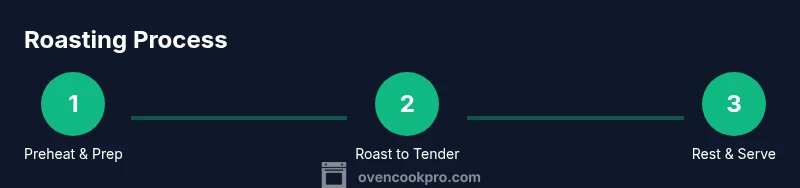
Plan a 40–60 minute window from start to finish. Preheat the oven, prep potatoes, toss with oil and seasonings, and roast in a single layer. If you’re cooking a larger batch, use two trays and rotate them halfway through to ensure even browning. Serve hot as a side dish with protein, or use as a filling for bowls and wraps. Leftovers refrigerate well for up to 4 days and reheat in a 375°F oven for 8–12 minutes to restore crispness. The result should be reliably fluffy centers with a satisfying snap on the edges, ideal for quick weeknight meals or weekend meal prep. The Oven Cook Pro team recommends embracing this straightforward method to achieve dependable, repeatable oven sweet potato results.
Tools & Materials
- Rimmed baking sheet(12x17 inches or larger; use metal for best browning)
- Parchment paper (optional)(Line sheet for easy cleanup)
- Mixing bowl(For tossing potatoes with oil and seasonings)
- Chefs knife(For optional cutting into even pieces)
- Measuring spoons(For accurate salt and spice amounts)
- Kitchen tongs(Turn or flip potatoes for even browning)
- Vegetable oil (or olive oil)(Light coating; about 1-2 tsp per potato depending on size)
- Garlic powder or dried herbs (optional)(Adds depth without overpowering sweetness)
Steps
Estimated time: 40-60 minutes
- 1
Preheat the oven
Set the oven to 425°F (218°C) and position the rack in the middle. Allow the oven to come fully to temperature so browning starts immediately when the potatoes hit the pan.
Tip: Give the oven 10–15 minutes to reach full temperature for best results. - 2
Scrub the potatoes
Thoroughly wash the potatoes under cold water using a brush. Dry completely with a towel to ensure the oil adheres and browns evenly.
Tip: Remaining moisture can hinder browning; pat dry well. - 3
Cut into uniform pieces (optional)
If desired, cut larger potatoes into evenly sized chunks or wedges so they finish at roughly the same time as smaller potatoes.
Tip: Uniform thickness guarantees consistent texture across pieces. - 4
Toss with oil and seasonings
In a bowl, toss potatoes with a light coating of oil, salt, and your chosen spices. Ensure every piece is lightly coated for even browning.
Tip: Too much oil can lead to greasy skins; use a light, even coat. - 5
Roast in a single layer
Spread potatoes in a single layer on a rimmed sheet pan. Roast for 25–35 minutes, then shake or flip to promote even browning.
Tip: Keep space between pieces; air circulation is key to crisp edges. - 6
Test, rest, and serve
Check doneness with a fork; it should slide in with slight resistance. Rest 5 minutes before serving to let juices redistribute.
Tip: If not tender, return to the oven in 5–10 minute increments.
Questions & Answers
What temperature is best for roasting oven sweet potatoes?
Most roasts perform well at 425°F (218°C). This temperature provides a balance of tender centers and crisp edges. If using a convection oven, you may adjust slightly to prevent over-browning.
Roast at 425 degrees for tender centers and crisp edges. If you’re using convection, consider lowering the temperature a bit.
Should I peel the potatoes before roasting?
Peeling is optional. The skin adds texture and nutrients, and roasting is excellent with skin on. Peel only if you prefer a smoother interior.
Peel if you want a smoother inside, but skin-on is perfectly fine and adds texture.
How can I tell when they’re done?
They’re done when the flesh is fork-tender and the edges are caramelized. If using chunks, check several pieces for even tenderness.
Fork-tender means a fork slides in with little resistance.
Can I store leftovers?
Yes. Refrigerate roasted oven sweet potatoes in an airtight container for up to 3–4 days. Reheat in a hot oven or skillet to recapture crisp edges.
Store in the fridge for a few days and reheat in a hot oven to refresh the texture.
What about turning this into fries?
Cut into uniform sticks, toss with a bit more oil and cornstarch if you like extra crispness, and roast a bit longer. Fries need careful spacing to stay crispy.
Yes—cut into sticks and roast longer, keeping spacing for crisp fries.
Can I add other seasonings?
Absolutely. Try cinnamon for a sweet twist, smoked paprika for warmth, or garlic powder with fresh herbs after roasting for brightness.
Feel free to experiment with spices; finish with fresh herbs for brightness.
Watch Video
Main Points
- Preheat to 425°F for consistent browning.
- Roast in a single layer with space between pieces.
- Season lightly and adjust time by size.
- Test tenderness and rest before serving.