Oven Baked Potatoes: A Complete How-To Guide
Master the art of oven baked potatoes with crisp skins and fluffy interiors. This guide covers potato selection, prep, roasting temperatures, timing, toppings, storage, and troubleshooting for reliable results every time.


You will learn to bake perfect oven baked potatoes with crisp skin and fluffy interiors. This guide covers selecting potatoes, prepping, roasting temps, timing, toppings, and basic troubleshooting so your results are reliable every time. Whether you’re cooking a weeknight side or a crowd-pleasing main, this method scales with consistent texture and flavor.
Why oven baked potatoes matter
Oven baked potatoes are a versatile, dependable option for weeknights or weekend gatherings. According to Oven Cook Pro, achieving reliable texture starts with choosing the right potato, ensuring thorough drying, and roasting at a high temperature to promote crisp skins without drying out the interior. The beauty of this approach is its simplicity: a handful of ingredients, straightforward steps, and results you can repeat with confidence. When you bake potatoes in the oven, you create a canvas for toppings and sides that suit nearly any menu, from a light herb butter to a loaded, hearty skillet. In this section we’ll explore why this cooking method remains a staple in home kitchens and how small adjustments can elevate every batch.
As you’ll see, the core principles are consistent: size uniformity, moisture management, and heat management all play roles in texture and flavor. Your goal is a gentle, even roast that yields a soft, steamy center and a crusty exterior. The recipe is forgiving enough for beginners, but depth comes from understanding how time, heat, and surface area affect the final personality of the potato. With a little practice, you’ll perfect the balance between tenderness inside and crispness outside, delivering dependable results every time.
Choosing the right potatoes and prep basics
The base choice of potato matters just as much as the technique. For classic oven baked potatoes, starchy varieties like Russet are favored for their fluffy interiors, while Yukon Golds provide a creamier texture with a thinner skin. The size matters too: aim for evenly sized potatoes or cut larger tubers into uniform chunks so they finish cooking at roughly the same moment. Before you start, wash and scrub the skins to remove dirt, then dry them thoroughly—water on the surface can steam instead of crisping and undermine texture. Prepping also includes selecting a reliable oven rack height and preparing your baking sheet with a light coating of oil or parchment to prevent sticking. Finally, plan for toppings and seasonings in advance so flavor can permeate during roasting. By aligning potato type, size, and prep steps, you set the foundation for a successful bake.
In addition to type and size, note any kitchen constraints. If your oven runs a bit cool, you may need to extend roasting time slightly or raise the rack to encourage browning. If you’re short on time, parboiling can shorten the interior’s finishing time while preserving a crisp exterior. Regardless of method, the goal is consistent sizing, dry skins, and ample surface area for browning. These choices shape the final texture, aroma, and overall eating experience.
The science of texture: crisp skin, fluffy interior
Texture is the heart of a great oven baked potato. A crisp, flavorful skin gives a satisfying bite, while a light, fluffy interior provides the comfort factor. The science behind achieving this balance is simple: surface dehydration, water loss from the starch, and the Maillard reaction at the potato’s surface. High heat drives moisture to the surface faster, creating that desirable crackly crust, while the center remains starchy and soft. Drying the surface before roasting minimizes steam, which would otherwise soften the skin. Oil helps conduct heat and transfers heat more evenly, promoting browning rather than burning. When you’re after consistent texture, uniform potato size ensures even heat distribution, and spacing on the sheet avoids steaming. With practice, you’ll notice how small adjustments—like the amount of oil or how long you roast—adjust crust color and interior fluff in predictable ways.
To maximize texture, avoid crowding the pan. Each potato should have space for hot air to circulate, allowing both interior and exterior surfaces to brown evenly. If you prefer extra-crisp skins, consider finishing under the broiler for 60–120 seconds, watching closely to avoid burning. This technique concentrates browning on the exterior while the interior remains tender. Understanding these texture dynamics helps you tailor results to your preferences, whether you want a more substantial bite or a lighter, airier center.
Roasting strategies: temperatures, times, and sheet layout
Roasting strategy centers on heat management and layout. A common starting point is preheating the oven to a high range, typically around 425°F (218°C). This temperature encourages a rapid sear on the surface while the interior cooks through. For larger potatoes, you may need more time; smaller potatoes finish faster, producing a more uniform bite. Place potatoes on a sheet in a single layer, spaced apart to allow air to circulate. If potatoes touch, the hot air can’t reach every surface, and you’ll lose some crispness. Turning halfway through roasting promotes even browning on all sides. If you parboil first, reduce overall roasting time since the interior will be partially cooked. Conversely, if you skip parboiling, you’ll want a slightly longer roast. The exact duration depends on potato size and oven performance—expect the total roasting time to range from 35 to 60 minutes. Use a fork to test tenderness; when the kernel slides through with little resistance, you’re ready to rest and serve.
For energy efficiency, you can bake multiple batches of potatoes at once if your sheet pan can hold them without crowding. If you’re cooking for a crowd, consider using two pans and rotating them halfway through. Finally, latching onto a finishing touch like sea salt flakes or herbs can add aroma and brightness that complements the potato’s natural sweetness. These roasting strategies help you achieve consistent results across batches and kitchens while letting you customize flavor profiles to fit the menu.
Flavor boosters and finishing touches
Potatoes are a blank canvas that welcome a spectrum of flavors. Classic toppings include butter, sour cream, chives, and a sprinkle of salt. For richer profiles, experiment with garlic-herb butter, grated aged cheese, or a light drizzle of olive oil and paprika. If you’re managing dietary needs, lighter toppings like Greek yogurt or fresh lemon zest can provide brightness without heavy fats. Fresh herbs offer a vibrant finish, while smoky paprika or chili powder adds warmth without overpowering the potato’s flavor. If you’re preparing ahead for a potluck, consider portioning toppings separately so each guest can customize. Remember, the point is to enhance the potato’s natural flavor, not mask it. A well-roasted potato should feel flavorful on its own, with toppings as a complementary accent. When finished, let the potatoes rest briefly to settle flavors and improve texture before serving warm.
In addition, consider pairing your potatoes with complementary sides such as lightly dressed greens, a crisp slaw, or a simple protein like roasted chicken. This creates a balanced meal that showcases the potatoes while providing variety in texture and color on the plate.
Serving ideas and meal planning
Oven baked potatoes pair with a wide range of dishes and can be served as a main or side. For lighter meals, top with Greek yogurt, chives, and a squeeze of lemon for brightness, or serve with a dollop of sour cream and a sprinkle of fresh herbs. For heartier plates, add shredded cheese, crumbled bacon, or a tangy chimichurri. If you’re managing a large group, roast a dozen potatoes and offer toppings in a buffet-style setup so guests can customize. When planning a full menu, consider roasted vegetables, a green salad, and a protein such as grilled chicken or salmon to create a complete, satisfying spread. Finally, store any leftovers properly: allow potatoes to cool, then refrigerate in an airtight container, and reheat in a hot oven to regain crispness.
Incorporating oven baked potatoes into meal plans can simplify weeknight cooking while offering flexibility for seasonal toppings. The technique scales well, enabling you to serve larger gatherings with consistent texture and flavor. By thinking about toppings and sides ahead of time, you can craft a cohesive, satisfying menu that highlights the humble potato as a star ingredient.
Troubleshooting common issues
Even seasoned home cooks encounter a few pitfalls with oven baked potatoes. If the skins aren’t crisp, the likely causes are excess moisture on the surface or overcrowding of the pan. Ensure potatoes are thoroughly dried and give them space on the sheet. If interiors are undercooked, step up roasting time slightly or cut larger potatoes into smaller pieces to improve heat penetration. A pale, under-seasoned exterior typically means insufficient oil or missing salt; oil helps with browning, while salt enhances flavor and draws out surface moisture early in the bake. If potatoes are uneven in size, group them by similar dimensions or cut larger tubers to match smaller ones for synchronized cooking. Finally, avoid peeking too often; each opening briefly lowers oven temperature and can slow browning. With these adjustments, you’ll minimize common issues and produce consistently delicious results.
Tools & Materials
- Russet potatoes (or Yukon Gold as a variation)(Choose potatoes of similar size for even cooking.)
- Sharp knife and cutting board(For sizing and scoring if desired.)
- Bowl and kitchen towel or clean towels(For drying potatoes thoroughly.)
- Oiling agent (neutral oil, e.g., canola, grapeseed)(Helps browning and flavor.)
- Salt and optional spices (garlic powder, paprika, pepper)(For seasoning the skins and interior flavor.)
- Baking sheet and optionally parchment paper or aluminum foil(Prevents sticking and simplifies cleanup.)
- Tongs or spatula(For safe turning during roasting.)
- Oven thermometer (optional)(Helps verify accurate oven temperature.)
Steps
Estimated time: 1 hour 15 minutes
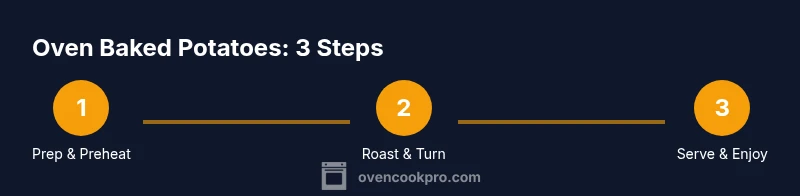
- 1
Preheat oven and prepare sheet
Preheat your oven to 425°F (218°C). Line a baking sheet with parchment paper or lightly oil it to prevent sticking. Have potatoes washed, dried, and cut to size if needed ready for roasting.
Tip: Preheating ensures the initial surface heat starts crisping as soon as the potatoes hit the sheet. - 2
Wash potatoes and inspect skins
Scrub potatoes under cold running water until skins are clean. Remove any eyes or blemishes with the knife or a vegetable peeler. Pat dry to remove surface moisture.
Tip: Thorough drying is crucial for crisp skins. - 3
Parboil (optional)
If using parboil, simmer whole or halved potatoes in salted water for 5–7 minutes until edges feel slightly soft. Drain well and shake in the colander to roughen the surface for better browning.
Tip: Parboiling accelerates interior doneness and can improve texture. - 4
Oil, season, and arrange
Toss potatoes with a light coating of oil and a generous pinch of salt. Spread on the sheet in a single layer with space between pieces.
Tip: Even spacing prevents steaming and promotes even browning. - 5
Roast and flip
Roast 20–25 minutes, then flip potatoes to expose all sides. Continue roasting another 20–25 minutes until interiors are tender and skins are deeply bronzed.
Tip: Flipping halfway ensures uniform browning on all surfaces. - 6
Test tenderness and finish
Test a potato with a fork; it should slide in easily with a slight resistance at the center. If needed, roast 5–10 more minutes. Rest briefly before serving.
Tip: Testing avoids undercooked centers. - 7
Serve with toppings
Transfer to a warm platter and offer toppings like butter, sour cream, herbs, or cheese. Serve hot for the best texture.
Tip: A quick broil for 1–2 minutes can re-crisp skins after toppings are added.
Questions & Answers
What is the best potato for oven baked potatoes?
Russet potatoes are ideal thanks to their starchy interior and dry skin, which crisps nicely in the oven. Yukon Golds provide a creamier texture if you prefer a softer bite.
Russets are the go-to for crispy skins and fluffy centers, with Yukon Golds offering a creamier alternative.
Should I parboil the potatoes before roasting?
Parboiling is optional. It speeds interior doneness and can improve texture, but skipping it still yields good results with careful roasting.
Parboiling is optional, but it can help the inside cook faster and make the skins crisper.
What temperature should I bake potatoes at?
A common approach is 425°F (218°C). This high heat promotes browning while the interior cooks through. Adjust time based on potato size.
Bake at about 425 degrees for a crisp exterior and fluffy interior, adjusting time for size.
How do I get crispy skins?
Dry skins completely, use a light oil coating, space potatoes on a sheet, and roast at high heat. A brief finish under the broiler can add extra crispness.
Dry the skins, oil lightly, and roast on a single layer to get the crisp skins you crave.
Can I make these ahead or store leftovers?
Cool, store refrigerated in an airtight container for 3–4 days. Reheat in a hot oven to restore texture; toppings should be added fresh.
Yes, leftovers store well and reheat best in a hot oven to regain crispness.
Are oven baked potatoes healthy?
Potatoes are nutritious; baking is a simple preparation. Be mindful of high-calorie toppings and use toppings in moderation to keep the dish balanced.
Potatoes themselves are healthy; toppings should be chosen to keep the meal balanced.
What sides pair well with oven baked potatoes?
Serve with greens, a protein like chicken or salmon, and a light sauce or yogurt topping to balance flavors.
Great with greens and a protein for a complete meal.
Watch Video
Main Points
- Choose Russet potatoes for fluffy interiors
- Preheat to 425°F (218°C) for best browning
- Dry skins thoroughly and oil well before roasting
- Roast in a single layer with space between potatoes
- Finish with toppings and rest briefly before serving