Cook Cabbage in Oven: Step-by-Step Guide
Learn how to cook cabbage in the oven for caramelized edges and tender centers. This comprehensive guide covers prep, roasting times, flavor variations, and serving ideas with expert tips from Oven Cook Pro.


Cook cabbage in the oven to develop a caramelized, tender result with less moisture than boiling. You'll need cabbage, olive oil, salt, pepper, and optional garlic or herbs. Roast at a hot oven until the edges brown and the center is fork-tender, typically 20–30 minutes depending on cut size. This method yields fast, reliable results you can customize with herbs.
Why Oven Cooking Elevates Cabbage, According to Oven Cook Pro
According to Oven Cook Pro analysis, roasting cabbage concentrates its natural sugars and produces a caramelized surface while the inside stays pleasantly tender. This approach reduces moisture loss compared with steaming or boiling and yields a glossy, flavorful finish that works as a side dish or as part of grain bowls and shakshuka-style plates.
The oven's high dry heat triggers browning reactions (the Maillard reaction) which deepen the flavor and add subtle nuttiness. Because cabbage is inexpensive and versatile, roasting expands its repertoire beyond steamed wedges or slaw. You can customize texture by cutting size and adjusting roast time, and you can alter flavor with simple pantry additions like garlic, lemon zest, chili flakes, or fresh herbs.
If you're new to oven roasting cabbage, start with uniform wedges about 1/2 inch thick. This ensures even cooking and browning. For a crisper bite, place the cabbage in a single layer on a parchment-lined sheet pan; for a softer result, use a loaf pan and loosely cover with foil during the last 5–8 minutes.
Choosing Cabbage and Prep Tips
Green and red/purple cabbage are both delicious when roasted, but purple varieties may take slightly longer to soften due to thicker leaves. Choose tight, dense heads with plump inner leaves and minimal blemishes. Remove the outer spent leaves, rinse quickly if needed, and pat dry thoroughly to reduce surface moisture that can hinder browning.
Core the cabbage and cut into uniform wedges or thick slices. Uniform size ensures even browning. If you prefer a more bite-sized result, shave the cabbage into thick ribbons, but keep the pieces roughly the same thickness for consistent cooking. Let the pieces sit on a rack or paper towels for a few minutes to air-dry before tossing with oil. A light coating of neutral oil (like canola or grapeseed) helps the surface brown without making the dish heavy. Salt should be applied evenly; consider finishing with a squeeze of lemon for brightness right before serving.
Based on Oven Cook Pro research, roasting preserves more nutrients than boiling, while delivering a richer flavor and better texture.
Flavoring Variations for Oven-Roasted Cabbage
The base of a great oven-roasted cabbage is simple: oil, salt, and pepper. From there, you can customize to suit your meal:
- Garlic and Lemon Zest: Toss cabbage with olive oil, minced garlic, and lemon zest for a bright, savory profile.
- Smoky Heat: Add smoked paprika or chili flakes for a gentle kick and caramelization that deepens with heat.
- Savory Umami: A light drizzle of soy sauce or tamari with a touch of miso paste can add depth without overpowering cabbage’s natural sweetness.
- finish with Parmesan or nutritional yeast: A light sprinkling at the end introduces a salty, cheesy contrast that pairs well with roasted potatoes or fish.
Experiment with herbs like thyme, rosemary, or parsley after roasting for a fresh finish. The oven’s heat concentrates flavors, so even small amounts of aromatics go a long way.
Common Mistakes and How to Avoid Them
Roasting cabbage is forgiving, but a few missteps can dull the result. Avoid overcrowding the pan; pieces should sit in a single layer with space between them to ensure browning rather than steaming. Don’t skip patting the cabbage dry—water on the surface inhibits browning. If your oven runs cool, preheat longer or increase the roasting time by 3–5 minutes per batch. Use parchment paper or a silicone mat for easy cleanup, but don’t rely on foil alone, which can trap moisture and soften the edges. Finally, resist the urge to pull the cabbage early; give it enough time for browning and caramelization to develop.
How to Serve Roasted Cabbage
Roasted cabbage makes a versatile side that can accompany roasted meats, fish, or plant-based mains. Serve hot as wedges or shaved ribbons alongside lemon wedges, a drizzle of olive oil, or a sprinkle of flaky salt. For a complete meal, toss roasted cabbage with quinoa or farro and top with toasted seeds or nuts for crunch. It also works well in bowls: combine with grains, beans, and a tangy vinaigrette for a hearty, colorful lunch. Leftovers reheat quickly in the oven, maintaining texture better than reheating in a microwave.
Tools & Materials
- Oven(Preheat to 400°F (200°C) or as directed in recipes.)
- Sheet pan(A standard 18" x 13" pan works well; use two pans if needed.)
- Parchment paper or silicone mat(For easy cleanup and nonstick surface.)
- Chef's knife(Sharp for clean cabbage wedges.)
- Cutting board(Stable surface for safe slicing.)
- Bowl for tossing(Large enough to coat cabbage evenly.)
- Olive oil(About 1–2 tablespoons per head, enough to lightly coat.)
- Salt and pepper(Seasoning to taste; consider finishing with lemon.)
- Garlic (optional)(Minced or powder for aroma.)
- Lemon (optional)(Zest or juice adds brightness.)
Steps
Estimated time: Total time: 30-45 minutes
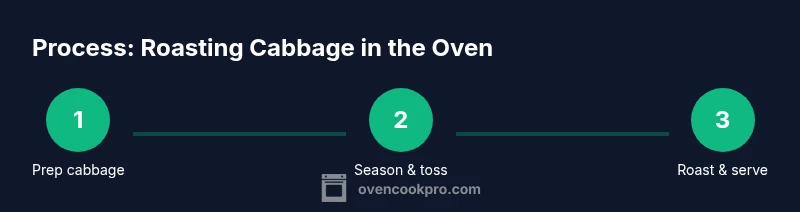
- 1
Prepare the cabbage
Remove the outer leaves, core the head, and cut into uniform wedges or thick slices. Keeping pieces similar in thickness ensures even browning and tenderness.
Tip: Aim for roughly 1/2 inch (1.25 cm) thick pieces for balanced cooking. - 2
Dry and pat
Pat the cut cabbage dry with a clean towel to remove excess moisture. This helps achieve crisp, caramelized edges rather than steaming.
Tip: Even a quick pat-down makes a noticeable difference in browning. - 3
Oil and season
Toss the cabbage with 1–2 tablespoons of oil and a light pinch of salt and pepper. Add optional garlic or herbs if using.
Tip: A light oil helps browning without making the dish greasy. - 4
Spread in a single layer
Arrange cabbage pieces on the sheet pan in a single layer with space between them. Overcrowding leads to steaming instead of roasting.
Tip: If using two pans, rotate pans halfway through for even browning. - 5
Roast and flip
Roast at 400°F (200°C) for 20–25 minutes, flipping once halfway through to promote even caramelization.
Tip: For crisper edges, roast a few minutes longer and watch closely in final minutes. - 6
Finish and serve
Remove from oven when edges are deeply browned and centers are tender. Optional broil 1–2 minutes for extra color, then season to taste and serve.
Tip: A squeeze of lemon or a sprinkle of parmesan elevates the dish.
Questions & Answers
Can I roast cabbage without oil?
Roasting without oil will yield drier cabbage and less caramelization. A light oil helps browning and flavor; you can use a splash of broccoli or vegetable broth as an alternative for moisture.
Roasting without oil is possible but won’t brown as well; a little oil or broth helps.
What temperature is best for oven-roasted cabbage?
Roast at about 375–425°F (190–220°C). A common middle ground is 400°F (200°C) for balanced browning and tender centers.
Most people roast cabbage at 400 degrees for good browning and tenderness.
Should I cover cabbage while roasting?
Roasting uncovered promotes browning. If you prefer softer texture or’re heating through with other vegetables, you can loosely tent with foil for part of the time.
Uncovered gives browning; cover briefly if you want softer results.
Can I roast cabbage with other vegetables?
Yes. Choose vegetables with similar cooking times and cut sizes. Spread on the pan so everything browns evenly; you may need to stagger roasting times.
Absolutely—roast with compatible veggies, just keep sizes even.
How do I tell when cabbage is done?
Cabbage is done when the edges are caramelized and the center is fork-tender. If you want more bite, pull earlier; for softer, go a few minutes longer.
Check for tender centers and browned edges.
Is oven-roasted cabbage healthy?
Cabbage provides fiber, vitamins, and minerals. Roasting uses a small amount of oil, preserving nutrition while delivering flavor that can reduce the need for high-fat toppings.
Yes—roasted cabbage is a tasty, fiber-rich option with modest oil use.
Watch Video
Main Points
- Preheat to a hot oven for browning.
- Cut cabbage into uniform wedges for even cooking.
- Toss with oil and seasonings for flavor and browning.
- Roast in a single layer, flip halfway, and finish with optional broil.