Can You Oven Roast Frozen Vegetables? A Practical Guide
Learn how to oven roast frozen vegetables without thawing. This step-by-step guide covers temps, times, prep, and troubleshooting for crisp, flavorful results in your oven.


Yes — you can oven roast frozen vegetables without thawing first. Preheat a hot sheet pan, toss the vegetables with a light coat of oil and seasonings, then spread in a single layer. Roast until edges caramelize and crisp, typically 15–25 minutes, flipping halfway. No special equipment required—just timing and a hot oven.
Can You Oven Roast Frozen Vegetables? A Practical Overview
The short answer to can you oven roast frozen vegetables is yes. You can roast them straight from the freezer without thawing, which saves time and still yields flavorful, caramelized edges. According to Oven Cook Pro, the trick is a hot oven, a well-oiled pan, and keeping the veggies in a single layer so they brown rather than steam. In this guide, you’ll learn why frozen vegetables work in the oven, what tools to use, exact steps, and how to troubleshoot common issues. With a dependable method, you can turn simple bags of frozen vegetables into crowd-pleasing side dishes with minimal effort. The technique is versatile enough to pair with weeknight proteins or bowls, and it scales well for family meals. If you’re wondering whether freezing changes flavor, the answer is nuanced: while some moisture is released during roasting, proper technique concentrates sweetness and brings out nutty roasted notes. By following a consistent approach, you’ll achieve reliable results that taste bright and fresh rather than soggy or dull. In short, this method saves time without sacrificing texture or flavor, making frozen vegetables a convenient staple in any home kitchen.
Why Frozen Veggies Roast Well in the Oven
Frozen vegetables have a reputation for being either soggy or flavorless when heated. The reality is that the oven’s dry, high-heat environment can transform icy florets into caramelized bites—as long as you manage moisture and spacing. The ice crystals formed during freezing create micro-wells that, when heated, release moisture in controlled bursts. If you spread the vegetables in a single layer and use a moderate amount of oil, the surface moisture evaporates quickly and the outer edges brown. This browning is the key to flavor development and texture contrast. Oven Cook Pro’s analysis confirms that roasting from frozen works across many common varieties, provided you avoid crowding and maintain consistent heat. The result is a quick side dish that shines with roasted aroma, caramelization, and a slight snap when you bite through. Remember that different vegetables vary in size and water content, so you may need small adjustments in time, but the overall approach stays the same: hot oven, dry pan, even layer, light coating of oil, and attentive timing.
Prep Essentials: Tools, Oil, and Seasonings
Before you start, gather a few simple tools and ingredients that make roasted frozen vegetables sing. A rimmed sheet pan prevents juices from spilling onto the oven floor, while parchment paper or a silicone mat keeps cleanup easy and prevents sticking. Use oil with a high smoke point—avocado oil or refined olive oil works well—to help with browning without burning. A light coating is all you need; too much oil can lead to greasy results. For seasonings, start with salt and pepper and add garlic powder, paprika, dried herbs, or a pinch of chili flakes depending on your mood. If you want to boost brightness, finish with a squeeze of lemon and a handful of chopped fresh herbs after roasting. The goal is to create a flavorful bite with minimal prep time, and these ingredients keep things simple while letting the vegetable’s natural sweetness shine through.
Step-by-Step Approach: From Freezer to Oven
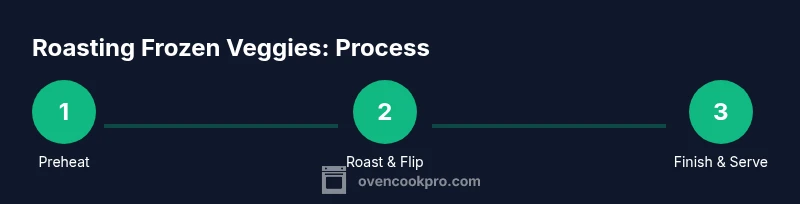
This middle section highlights the practical rhythm of roasting frozen vegetables, focusing on consistent heat, careful spacing, and timely checks. Begin by preheating the oven to a hot setting—roughly 425–450°F (220–230°C)—which provides quick browning without drying out the vegetables. Line your pan and spread the frozen vegetables in a single layer, leaving space between pieces. Drizzle with a light coat of oil and sprinkle with salt, pepper, and any additional seasonings. Roast until the edges turn golden and the centers become tender, usually in the 15–25 minute window, depending on the vegetable type and size. Halfway through the roasting time, shake or flip the vegetables to promote even browning on all sides. If you notice steam rather than browning, your pan is likely crowded; remove a portion of the vegetables or switch to a second pan. When done, remove the pan and let the vegetables rest for a couple of minutes to finish the caramelization. Remember, the goal is crisp edges with a tender interior, not a soggy pile of pieces.
Time and Temperature Guidelines for Common Veggies
Different frozen vegetables respond best to slight tweaks in time and temperature. For broccoli and cauliflower florets, aim for 425–450°F and check at about 15–20 minutes. Green beans and Brussels sprouts can take 18–22 minutes in the same range, while carrot coins may need 20–25 minutes for a soft center with crisp edges. If you’re using peppers or mixed vegetables, start at 425°F and monitor closely for 18–25 minutes. Always prefer a single layer and avoid stacking. If you’re roasting a very large batch, consider two pans to preserve heat and browning. These guidelines provide a reliable baseline; you can adjust by 2–3 minutes based on your oven’s performance and your texture preference.
Troubleshooting Common Issues
Lock in texture by avoiding overcrowding, which traps steam and leads to sogginess. If your vegetables turn out uneven, slide the pan halfway through roasting or rotate to ensure even exposure to heat. For overly dry or burnt edges, reduce the total roasting time by a few minutes or lower the oven temperature slightly. If you notice excessive moisture, switch to parchment paper and toss with a hair more oil to help surface browning. Taste and adjust seasonings after roasting; frozen vegetables can taste bland if not seasoned well, so don’t skip salt or bold spices. Finally, if you’re new to roasting frozen veggies, start with a single vegetable type to refine timing before combining multiple items.
Serving Ideas, Make-Ahead Tips, and Variations
Roasted frozen vegetables pair beautifully with a simple protein like roasted chicken or salmon, and they also work well in bowls, tacos, or grain dishes. For a quick finish, add a splash of balsamic glaze, fresh lemon juice, or a handful of chopped herbs right after cooking. To make-ahead, portion and cool leftovers, then refrigerate for up to 3–4 days or freeze for longer storage. Reheat in a hot oven for a couple of minutes to restore crispness. If you want a different flavor profile, swap in spices such as cumin and coriander for a warm, roasted affine, or add smoked paprika for a hint of depth. The versatility of this technique makes it a staple for weeknight cooking, allowing you to transform simple frozen bags into a variety of tasty sides. The Oven Cook Pro team finds this method reliable for consistent results and easy weeknight cooking, and you can tailor the flavors to your family’s preferences.
Tools & Materials
- Sheet pan (rimmed)(Prevents juices from spilling and overcooking)
- Parchment paper or silicone baking mat(For easy cleanup and non-stick surface)
- Mixing bowl(Toss vegetables with oil and seasonings)
- Tongs or spatula(For flipping halfway through roasting)
- Oil with high smoke point (avocado or refined olive)(Light coating, about 1–2 tablespoons per bag)
- Salt and pepper(Season to taste; consider garlic powder, paprika, or herbs as desired)
- Optional spices (garlic powder, paprika, dried herbs)(Customize flavor without adding moisture)
Steps
Estimated time: 30-45 minutes
- 1
Preheat the oven and prepare the pan
Set the oven to a hot roasting temperature (about 425–450°F / 220–230°C). Line a sheet pan with parchment or a silicone mat to prevent sticking and make cleanup easier. A well-preheated surface is essential for quick browning and crisp edges.
Tip: Preheating ensures immediate surface contact and helps evaporate surface moisture quicker. - 2
Load frozen vegetables in a single layer
Spread the frozen vegetables on the pan in a single, even layer. Crowding creates steam and soggy spots, which inhibits browning. If you’re roasting a large batch, use two pans or rotate pans halfway through to maintain heat.
Tip: Keep space between pieces for even browning. - 3
Oil and season lightly
Drizzle or toss with a light coat of high-heat oil and season with salt, pepper, and any preferred spices. Avoid heavy coatings that can pool and burn. The oil helps with browning and flavor concentration without making the dish greasy.
Tip: Don’t oversaturate—a thin coat is enough for crisp texture. - 4
Roast and flip halfway through
Roast for 15–25 minutes depending on the vegetable type and size. Flip or shake the pan halfway to promote even browning on all sides. If you notice moisture pooling, switch to a hotter profile or move to the upper rack if your oven runs cool on the bottom.
Tip: Even browning comes from consistent contact with hot surface. - 5
Check for doneness and adjust as needed
Look for caramelized edges and tender centers. If pieces appear underdone, give them a few more minutes and check again. For very firm vegetables, continue roasting in 3–5 minute increments until you reach your preferred texture.
Tip: Taste a sample piece to ensure proper texture before serving. - 6
Finish and rest
Remove from the oven, transfer to a warm plate, and let rest 2–3 minutes. Resting allows carryover heat to finish softening slightly while surfaces settle for easier eating.
Tip: A short rest helps set the texture and bloom flavors. - 7
Serve or use in a recipe
Serve as a standalone side or use in bowls, wraps, or grain-based dishes. If desired, finish with a squeeze of lemon, a dash more salt, or fresh herbs for brightness.
Tip: Brighten with citrus or herbs to lift frozen-veg flavors. - 8
Clean up and store leftovers
Let leftovers cool, then store in an airtight container. Reheat in a hot oven for 5–7 minutes to regain crispness. Frozen leftovers can be stored for longer by freezing in small portions.
Tip: Store in shallow containers to speed reheating and prevent soggy reheats.
Questions & Answers
Can you roast frozen vegetables without thawing first?
Yes. Roasting from frozen works with a hot oven, light oil, and single-layer placement to promote browning. You’ll typically see crisp edges in about 15–25 minutes depending on the vegetable.
Yes. You can roast frozen vegetables without thawing first; a hot oven and light oil do the work.
What oven temperature is best for frozen veggies?
A hot oven around 425–450°F (220–230°C) provides the best balance of browning and interior tenderness for most frozen vegetables.
Around four hundred twenty-five to four hundred fifty degrees Fahrenheit.
Do I need to add oil?
A light coat of oil helps browning and prevents sticking. Too much oil can make the dish greasy, especially with frozen vegetables.
Yes, use a light coat of oil to aid browning.
How do I prevent soggy vegetables?
Avoid crowding the pan, spread in a single layer, and use high heat to evaporate surface moisture quickly.
Keep pieces spaced out and roast hot to prevent sogginess.
Can frozen vegetables taste bland after roasting?
Season generously and consider finishing with lemon juice, herbs, or a splash of finishing oil to boost flavor.
Season them well and finish with brightness to enhance flavor.
Are some vegetables better frozen-roasted than others?
Sturdy vegetables like broccoli, cauliflower, green beans, Brussels sprouts, and peppers roast well from frozen; delicate items may moisture-build more and require vigilant timing.
Hardier veggies roast best from frozen; others may need closer attention.
Watch Video
Main Points
- Roast frozen vegetables directly for convenience and speed.
- Spread in a single layer with a light oil for crisp browning.
- Season well and flip halfway for even browning.
- Use the 425–450°F range and adjust based on veggie size.