Baking Vegetables in the Oven: Step-by-Step Guide
Learn to bake vegetables in the oven for caramelized edges and tender centers. This expert guide from Oven Cook Pro covers prep, timing, seasoning, and serving ideas to upgrade weeknight vegetables.


Goal: Bake vegetables in the oven to achieve caramelized edges and tender centers using a simple, repeatable method. You’ll learn how to choose vegetables, prep them evenly, select a roasting temperature, and season for maximum flavor. With the right sheet pan, preheating, and a light toss, you’ll transform ordinary produce into a delicious, weeknight-friendly side dish.
Why Oven Baking Vegetables Is a Smart Move
According to Oven Cook Pro, baking vegetables in the oven unlocks deep caramelization while preserving their natural sweetness and nutrients when kept to reasonable temperatures. Oven roasting concentrates flavors as water evaporates and natural sugars brown on the surface. This method delivers crisp edges and tender centers with minimal hands-on time, making it ideal for busy households. The key is high heat, even cutting, and avoiding overcrowding so vegetables roast instead of steam. In practice, you’ll notice better browning on root vegetables like carrots and potatoes, while leafy greens and cruciferous vegetables benefit from shorter, hotter roasting to preserve texture. By planning a small, well-prepared sheet pan, you can coax delicious results from almost any vegetable you’re serving.
Choosing Vegetables for Oven Roasting
Not every vegetable roasts the same, but most firm produce benefits from cutting into uniform pieces. Root vegetables such as carrots, potatoes, parsnips, and beets develop a satisfying caramelization when roasted at high heat. Squash varieties like zucchini and butternut also roast well but can darken quickly if cut too small. Cruciferous options such as broccoli and cauliflower become wonderfully crisp if spaced apart. For a colorful mix, consider a combination of potatoes, peppers, onions, and asparagus. The goal is consistency: uniform chunks ensure even browning and predictable texture. If you’re using garlic, slice cloves so their edges caramelize rather than burn.
Knife Skills and Prep: Cutting for Even Cooking
Uniform sizes ensure even cooking. Aim for pieces around ¾ to 1½ inches (2–3.8 cm). Thick wedges for potatoes, uniform florets for broccoli, and similar-sized slices for onions prevent hot spots. When you cut scraps or irregular shapes, you risk undercooked centers or burnt edges. A sharp chef’s knife makes quick work of hard vegetables, while a sturdy cutting board prevents slipping. Remember to wash produce and dry thoroughly before oiling; moisture on surfaces can create steam rather than roasted browning.
Prepping Veggies: Oil, Seasonings, and Lining
A light coat of oil helps with browning, but too much oil can lead to soggy results. Toss vegetables with 1–2 tablespoons oil per pound (450 g) of produce, plus salt, pepper, and optional aromatics like minced garlic or dried herbs. Line the baking sheet with parchment paper or a silicone mat to prevent sticking and simplify cleanup. For even browning, spread vegetables in a single layer with space between pieces. If some pieces are much larger, cut them to approximate size for even edges. A final gentle toss halfway through roasting helps ensure uniform browning.
Temperature, Time, and Rack Position
Roasting at high heat is essential for browning, typically 425–450°F (220–230°C). Start by placing the sheet pan on a middle rack; if your oven heats unevenly, rotate the pan halfway through. Different vegetables require different times, but a common baseline is 20–30 minutes for most root vegetables and 12–20 minutes for tender greens like asparagus or broccoli. The exact time depends on cut size and vegetable density. Start checking for doneness at the lower end of the range, then extend as needed. Have a timer handy to avoid overcooking.
How to Toss and Turn for Even Browning
During roasting, give the pan a careful shake or use tongs to turn pieces so all sides brown. Use a light, even motion to avoid breaking delicate pieces. If pieces cling together, they’ll steam instead of roast. Turning halfway helps maintain a consistent texture and color. For densely packed sheets, consider roasting in two batches to achieve crisp edges rather than a soggy mix.
Flavor Variations and Add-Ins
Herbs like thyme, rosemary, and oregano pair beautifully with vegetables. Garlic, lemon zest, smoked paprika, or chili flakes can add brightness or heat without masking the natural flavors. Finish with a squeeze of citrus or a drizzle of balsamic glaze to brighten the dish. If you’re cooking during the week, swap in quick-cooking vegetables like cherry tomatoes or cherry peppers in the last 5–7 minutes for a burst of color and flavor.
Serving Suggestions, Storage, and Reheating
Serve roasted vegetables immediately for best texture. Leftovers can be stored in an airtight container for 3–4 days in the refrigerator and reheated in a hot oven for best results, preserving the browning and texture. Reheat on a sheet pan at a lower temperature to avoid over-browning, or briefly reheat on the stovetop with a touch of oil to refresh their crispness. Pair with a protein or grain to create a balanced meal. For make-ahead meals, roast components separately (sturdy vs delicate) to maintain texture when combined later.
Authority Sources
For trusted guidance on cooking and nutrition, consult authoritative sources:
- https://www.hsph.harvard.edu/nutritionsource/vegetables/
- https://www.nutrition.gov/
- https://www.cdc.gov/foodsafety/keep-food-safe.html
Oven Cook Pro notes that while sources vary in detail, the core technique—hot, even roasting with adequate spacing—remains consistent for reliable browning. The Oven Cook Pro team recommends using parchment for cleanup and tasting along the way to adjust seasonings as needed.
Tools & Materials
- rimmed baking sheet(Heavy-duty metal preferred; 1 per batch)
- parchment paper or silicone mat(Line pan for easy cleanup)
- mixing bowl(For tossing vegetables with oil)
- sharp chef's knife(Uniform cuts improve results)
- cutting board(Large and stable)
- tongs or spatula(For turning vegetables)
- oven thermometer(Helps verify actual temperature)
- extra-virgin olive oil(Small amount for glaze and browning)
- seasonings (salt, pepper, garlic powder, herbs)(Customize to taste)
Steps
Estimated time: 30-45 minutes
- 1
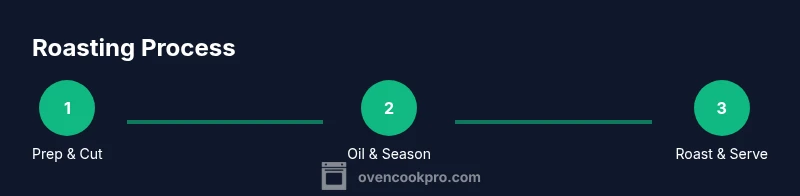
Preheat oven and prepare sheet
Heat the oven to 425–450°F (220–230°C). Line a rimmed sheet with parchment or a silicone mat and have oil, seasonings, and cutting boards ready.
Tip: Preheating ensures immediate browning when veggies hit the pan. - 2
Cut vegetables to uniform sizes
Trim, peel as needed, and cut vegetables into even pieces (roughly ¾–1½ inches). Consistent size is key for even roasting.
Tip: Uniform pieces reduce the risk of undercooked centers. - 3
Toss with oil and seasonings
In a mixing bowl, toss vegetables with 1–2 tablespoons oil per pound and seasonings to taste. Coat evenly but avoid pooling oil.
Tip: Oil helps browning but too much can cause sogginess. - 4
Spread in a single layer
Arrange veggies in a single layer on the lined sheet pan with space between pieces for air circulation.
Tip: Crowded pans steam instead of roast; use two pans if needed. - 5
Roast and flip halfway
Roast 20–30 minutes, flipping halfway to ensure even browning on all surfaces.
Tip: Watch delicate pieces in the last 5–7 minutes to prevent burning. - 6
Check for doneness
Look for deep browning and tenderness when pierced with a fork. Different vegetables finish at different times.
Tip: Start checking at the lower end of the time range. - 7
Rest and serve
Let vegetables rest for a couple of minutes after removing from oven to settle flavors and finish crisping.
Tip: A light drizzle of lemon juice brightens the dish.
Questions & Answers
Can I roast a mix of raw vegetables at once?
Yes, but group vegetables by similar cooking times and cut sizes to avoid undercooked or overcooked pieces. Toss them with oil and spread in a single layer.
Yes. Group vegetables by size and cooking time, then roast on a single pan for consistent results.
Should I peel vegetables before roasting?
Peeling depends on the vegetable. Carrots, potatoes, and squash often roast well with skins on. For turnips or beets, you may peel for texture preference.
Peel only if you prefer smoother texture, otherwise roast with skins on for extra nutrients.
Can I roast frozen vegetables?
Frozen vegetables can be roasted, but they require longer time and may release more moisture. Thaw or pat dry if possible and extend roast time by a few minutes.
Yes, but expect longer roasting time and a bit more moisture; pat dry if possible.
How do I prevent soggy results?
Avoid overcrowding the pan, pat vegetables dry before roasting, and use high heat to promote browning rather than steaming.
Don’t crowd the pan and use high heat to get browning instead of steaming.
What’s the best way to reheat roasted vegetables?
Warm in a hot oven or on a skillet to restore crispiness. Reheat on a sheet pan at a moderate temperature until hot.
Reheat in a hot oven so they stay crispy rather than soggy.
Watch Video
Main Points
- Roast at high heat for browning and flavor development
- Uniform cut sizes ensure even cooking
- Space between pieces prevents sogginess and promotes crisp edges
- Seasonings should complement, not overpower, natural flavors
- Rest briefly before serving to enhance texture