Baking Potato in Oven Temperature: The Complete Guide
Master baking potato in oven temperature with expert, step-by-step guidance. Learn preheating, optimal temps, doneness tests, and tasty finishing tips for perfectly roasted potatoes.


In this guide, you’ll master baking potato in oven temperature to achieve fluffy centers and crisp skins. You’ll pick the right temperature, preheat correctly, and follow a simple, step-by-step roasting method. Expect a reliable process that works for common potato sizes with clear timing and safety tips. This quick answer sets the stage for deeper guidance in the body.
Understanding baking potato in oven temperature
Baking potato in oven temperature is about balancing heat and time to coax the potato's starches into a fluffy interior with a crisp, blistered skin. According to Oven Cook Pro, getting this right starts with selecting a sensible target temperature and a steady roasting rhythm. The exact numbers vary by potato size, oven performance, and whether you start with cold or room temperature potatoes, but the principle remains the same: heat enough to cook through, and give the potato time to develop texture.
Why it matters: Uniform heat yields even doneness; preheating helps avoid cold spots. Common mistakes include starting in a cold oven, using too-low heat, or overcrowding the pan which traps steam and softens skins.
Preheating basics
Preheating sets the stage for even cooking and crispy skins. Begin by warming the oven to a practical roasting temperature, typically in the 400–425°F range. Use an oven thermometer to verify accuracy, as many home ovens run hotter or cooler than their dial indicates. Allow 5–10 minutes for the oven to reach temperature, and place the rack in the middle for balanced heat. According to Oven Cook Pro, a consistent preheat reduces hot spots and helps the skins blister uniformly. This step makes a significant difference in texture because potatoes hit the hot surface immediately, forming a crisp exterior while the inside begins to steam and soften.
Temperature guidelines for different potato sizes
For standard russet or baking potatoes, starting around 425°F yields a reliably crisp skin with a tender interior, while many home cooks find 400–425°F to be a practical range. Smaller potatoes or new potatoes cook faster and may finish in the 30–45 minute window, whereas larger russets can extend toward 60–75 minutes depending on size and your oven. The key is to aim for a steady temperature and test doneness with a fork, not just time. If your oven runs hot or cool, adjust by ±25°F and monitor the visual cues (skin color, puffing, and aroma).
Selecting the right temperature is a balance between skin texture and interior tenderness. If you prefer ultra-crispy skins, lean toward the higher end of the range; for a softer skin but fully cooked interior, the lower end is appropriate. You can also stage temperatures for different textures by starting at a higher heat for 15 minutes, then lowering to finish. This approach, recommended by Oven Cook Pro, helps you tune results to your oven’s quirks.
Prep steps that impact texture
Texture starts before the potato enters the oven. Thorough washing removes surface dirt; dry the potatoes completely—excess moisture steam-cooks the skin instead of crisping it. Pierce each potato a few times with a fork to vent steam, then rub with a light coating of neutral oil and a pinch of salt to promote browning and flavor. Coating the entire skin helps with even crisping and reduces the chance of soggy patches. For extra flavor, you can sprinkle paprika, garlic powder, or rosemary but keep the amount modest to avoid overpowering the potato’s natural flavor. Avoid wrapping potatoes in foil if you want crisp skins; foil traps steam and softens the exterior. These prep choices significantly influence final texture and overall taste.
Doneness and testing for perfect tenderness
Doneness is best judged by texture rather than time alone. When a fork slides easily into the thickest part of the potato with gentle pressure, it’s a strong sign the interior is tender. If resistance remains, continue baking in 5–10 minute increments, checking each time. The skin should be deeply colored and crisp, with a light, dry crackling sound when pressure is applied. Resting for 5–10 minutes after removal allows the internal moisture to redistribute, making the potato fluffier inside. While resting, the starches continue to set, which improves overall texture. Oven Cook Pro emphasizes using a fork or skewer to gauge tenderness and not relying solely on the clock.
Flavor variations and finishing touches
Even without toppings, baked potatoes offer a comforting, versatile base. For a richer flavor, finish with a dab of butter or a splash of olive oil and a light sprinkle of flaky salt. Add cooked toppings such as chives, sour cream, shredded cheese, or crumbled bacon according to your preference. If you want a lighter option, use a yogurt-based topping or a spoon of Greek yogurt with herbs. For extra zest, a squeeze of fresh lemon juice or a pinch of smoked paprika can brighten the profile. The key is to balance fat, tang, and salt so that the potato shines as the main canvas.
When you serve, consider a simple side like a crisp green salad or steamed broccoli to contrast textures. The combined flavors should feel cohesive rather than competing, which is why precise temperature and timing matter. The goal is a potato that is fluffy inside and velvety outside, not dry or chalky.
Authority sources and cooking safety
References and safety guidelines support the approaches outlined here. For safe handling of cooked potatoes and general food safety, consult the USDA and food-safety resources. Always wash hands, utensils, and work surfaces after handling raw potatoes and before serving. Ensure potatoes reach a safe internal temperature and store leftovers promptly in the refrigerator. For further detail, see the official sources linked in the Authority section.
Authority sources
- https://www.fsis.usda.gov/food-safety
- https://www.cdc.gov/foodsafety/keep-food-safe.html
- https://extension.illinois.edu/foodsafety/roasted-potatoes
These references provide guidelines on safe handling, cooking temperatures, and best practices for roasting vegetables.
Tools & Materials
- Oven(Preheated to target roasting temperature (usually 400–425°F))
- Baking sheet (rimmed)(Line with parchment or oil to prevent sticking)
- Parchment paper or aluminum foil(Optional for easier cleanup)
- Kitchen towels or oven mitts(To handle hot sheet safely)
- Fork or skewer(Pierce potatoes to vent steam)
- Neutral oil (e.g., canola or sunflower)(Light coat for crisp skin)
- Kosher salt or flaky sea salt(Seasoning for skin)
- Tongs(Optional for turning potatoes halfway)
Steps
Estimated time: 50-60 minutes
- 1
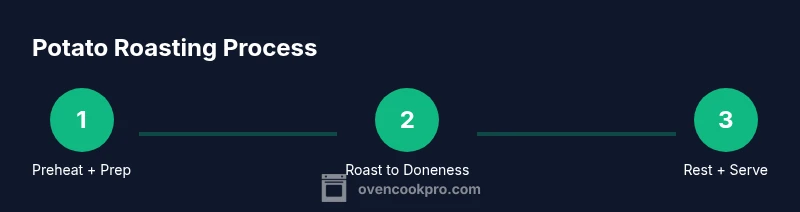
Preheat oven
Set the oven to the target roasting temperature (commonly 425°F). Allow the oven to reach temperature before loading the potatoes to ensure even cooking from the start.
Tip: Use a middle rack and verify with an oven thermometer for accuracy. - 2
Prepare potatoes
Rinse potatoes under cool water to remove dirt. Pat dry thoroughly with a clean towel to promote crisp skin before oiling.
Tip: Drying completely prevents steam from softening the skin. - 3
Pierce and oil
Pierce each potato 5–6 times with a fork to vent steam. Lightly rub with neutral oil and sprinkle with salt for even browning.
Tip: Coating the entire skin helps it crisp uniformly. - 4
Arrange on sheet
Space potatoes evenly on a rimmed baking sheet, skin side up. Avoid overcrowding to allow air to circulate and promote crispness.
Tip: If needed, use two sheets so potatoes aren’t crowded. - 5
Roast until tender
Bake for 45–60 minutes, depending on size. Check doneness with a fork; it should glide in easily with some resistance near the center.
Tip: For extra crispiness, finish under the broiler for 1–2 minutes, watching closely. - 6
Rest and serve
Remove from oven and rest 5–10 minutes. This allows moisture to redistribute and makes the inside fluffier.
Tip: A quick sprinkle of extra salt right before serving enhances flavor. - 7
Variations and serving
Offer toppings or sides such as butter, sour cream, chives, or grated cheese. Pair with a salad or protein for a complete meal.
Tip: Prep toppings in advance so you can assemble quickly at serving time.
Questions & Answers
Do I need to pierce potatoes before baking?
Yes. Piercing allows steam to escape, preventing a build-up that can cause an exploding potato and uneven texture.
Yes, pierce the potatoes before baking to vent steam and prevent bursting.
What is the ideal oven temperature for baking potatoes?
A common range is 400–425°F. This balance gives crispy skins while keeping the inside tender. Adjust based on your oven and potato size.
Most bakers roast potatoes at 400 to 425 degrees Fahrenheit for a good balance of skin and interior.
How long does it take to bake potatoes?
Times vary by size: typically 45–60 minutes for standard baking potatoes at the recommended temps. Larger potatoes can take longer; smaller ones finish sooner.
Most baking potatoes take about 45 to 60 minutes at the right temperature, depending on size.
Should I wrap potatoes in foil?
Wrapping traps steam and softens the skin, so it’s best to bake uncovered if you want crisp skins.
Don’t wrap in foil if you want crispy skins; bake uncovered.
Can I bake potatoes in a convection oven?
Yes. Convection can shorten cooking time and create crisper skins. Lower the temperature by about 25°F and monitor closely.
Convection works well; reduce heat a bit and watch for doneness.
What toppings go best with baked potatoes?
Classic choices include butter, sour cream, chives, shredded cheese, and bacon bits. For a lighter option, use Greek yogurt and herbs.
Top with butter and sour cream, or try Greek yogurt with herbs for a lighter option.
Watch Video
Main Points
- Preheat oven to balance texture and doneness.
- Size-equal potatoes ensure uniform roasting.
- Dry skin thoroughly for crisp results.
- Test tenderness with a fork, not just time.
- Rest before serving to maximize fluffiness.