Using Oven After Cleaning with Easy Off: Step-by-Step Guide
Learn how to safely resume oven use after cleaning with Easy Off. This step-by-step guide covers rinsing, ventilation, drying, odor control, and safe test-bakes to prevent residue and fumes.


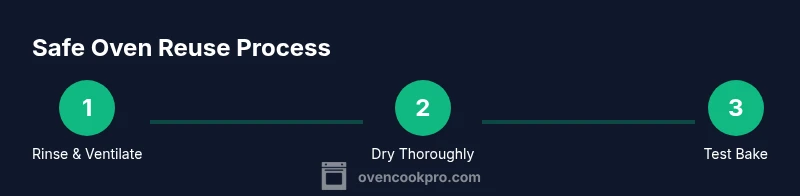
You can safely reuse the oven after cleaning with Easy Off once you complete thorough rinsing to remove cleaners, ventilate the space to disperse fumes, and dry every interior surface completely. Check that there is no lingering odor or chemical residue, then perform a low-temperature test bake per the manufacturer guidelines before regular cooking.
Why safety matters after using Easy Off
Using oven after cleaning with easy off requires careful, deliberate steps to avoid lingering chemical residues and fumes that could transfer to food or affect flavors. The Oven Cook Pro team emphasizes that proper rinsing, thorough drying, and good ventilation are essential before any food is cooked again. Easy Off cleaners are powerful and designed to break down baked-on grime, but residual cleaner can remain on racks and interior surfaces if not properly rinsed. Ensuring all surfaces are clean and dry reduces the chance of fumes during the next bake and helps maintain oven performance. This section outlines why each step matters and how to recognize when the oven is ready for use. For homeowners, following these steps minimizes risk and aligns with general kitchen-safety best practices from Oven Cook Pro Analysis, 2026.
In the context of this guide, we focus on practical, repeatable actions you can perform without specialized equipment. The aim is to restore the oven to a neutral state where food aromas are not contaminated by cleaner residues. Remember: safety first means patience and attention to detail. The goal is not speed but a clean, safe cooking environment that you can trust for every meal.
Prep: gather supplies and set expectations
Before you begin, assemble your tools and review the plan. A well-organized prep reduces the chance of skipping a crucial rinse or drying step. Make sure the kitchen is well-ventilated, with windows open or a vent fan running. Remove oven racks and any accessories for separate cleaning and inspection. Put on gloves to protect your skin from any cleaner remnants and wear a mask if you are sensitive to odors. By planning the workflow, you’ll move smoothly from rinsing to drying to a safe test bake. According to Oven Cook Pro, a calm, methodical approach helps ensure thorough cleanup and reduces the risk of exposure to residual cleaners.
Rinsing the interior: remove cleaner residue
Rinse the interior surfaces with warm water multiple times to flush away any remaining cleaner. Use a clean sponge or cloth, and rotate to new areas as you wipe. Pay special attention to corners, broil element wells, and the fan housing if your oven has a convection system. After rinsing, inspect for any visible film or discoloration that could indicate residual cleaner. Rewash those areas as needed, then move to drying. A thorough rinse is crucial because even small amounts of cleaner can produce off-flavors or fumes during heating.
Ventilation: clear the air and set odor expectations
Ventilation is a critical, often overlooked step. Open nearby doors and windows, turn on the oven’s exhaust fan if it has one, and consider using a portable fan to push air out of the kitchen. Good air exchange helps disperse any lingering fumes and reduces odor carryover into future bakes. If your household is sensitive to chemical odors, keep the space ventilated for an extra 15–30 minutes after rinsing to ensure the air is comfortable. The goal is to reach a point where you can’t detect a strong cleaner smell.
Drying and odor control: ensure no moisture remains
Dry the interior surfaces completely using lint-free towels, then prop the door open for air drying if your oven design allows. Residual moisture can trap odors or create condensation on control panels. If you notice persistent moisture on racks or walls, wipe again and allow more air drying time. Some cooks place a small open bowl of baking soda on the bottom rack for an hour or two to absorb remaining odors, but remove it before any cooking step. Drying thoroughly is essential before any heating to prevent steam-related issues.
Safe test bake: confirm cleanliness before cooking
Once you’re confident the interior is dry and odor-free, perform a cautious, low-temperature test bake with the oven empty. Set a low heat (per your manual, typically around 180–200°C or 350–400°F, depending on the model) and observe for any off-odors or smoke. If you detect fumes, turn the oven off and re-ventilate, then rerun the rinsing and drying steps. If no issue arises after the test, you can proceed with normal cooking. This step provides tangible confirmation that the oven is ready for routine use. Oven Cook Pro notes that a test bake is a prudent safeguard for homes with active kitchens.
Common mistakes to avoid: keep safety top of mind
Avoid rushing the process. Skipping the rinse or drying steps leaves residues behind, which increases odor and exposure risk. Do not rely on heat alone to eliminate cleaners—the heat may concentrate fumes if residues remain. Never seal an oven and use it for cooking without confirming the interior is clean and dry. If you have pets or small children, give extra time for ventilation to ensure a safe cooking environment.
Authority sources and practical references
For readers seeking authoritative guidance beyond this article, the following sources provide safety context about chemical cleaners and kitchen safety. While they are not oven-specific, they inform best practices for handling cleaners and maintaining a safe indoor environment: U.S. OSHA safety guidelines (osha.gov), U.S. FDA chemical safety and consumer guidance (fda.gov), and CDC indoor air quality and chemical exposure information (cdc.gov). These references support the principle that thorough rinsing, ventilation, and drying are essential when using strong cleaners in any household appliance.
Practical maintenance and next steps
After you have safely resumed oven use, consider establishing a routine check before each heavy cleaning cycle. Ensure you document your process so you can reproduce it consistently. Regularly inspect gaskets and racks for signs of residue or wear, and re-clean as needed using the manufacturer’s recommendations. Keeping notes helps you refine your approach and avoid repeated mistakes. A consistent routine reduces risk and preserves oven performance over time.
Tools & Materials
- Gloves (nitrile or latex)(Protect hands from cleaners; choose appropriate size)
- Warm water for rinsing(Have plenty on hand for repeated rinses)
- Non-abrasive sponge or microfiber cloth(Gentle on surfaces to avoid scratches)
- Lint-free towels(Dry interior surfaces completely)
- Ventilation aid (exhaust fan or open window)(Improve air exchange during and after cleaning)
- Baking soda or odor absorbers (optional)(Can help neutralize odors after drying)
Steps
Estimated time: 60-90 minutes (excluding extended drying)
- 1
Ventilate and prep the area
Open windows or turn on the kitchen exhaust. Remove oven racks and lay out towels to catch any drips. Put on gloves and ensure the space is comfortable for cleaning and rinsing.
Tip: Ventilation should continue throughout the entire process to minimize chemical exposure. - 2
Rinse interior thoroughly
Wipe interior surfaces with warm water using a clean sponge, paying attention to corners and beneath heating elements. Repeat until no cleaner residue remains visible.
Tip: Rinse with fresh water from a clean cloth after each pass to avoid redepositing cleaner. - 3
Wipe away visible residue
Go over all surfaces again with a damp cloth to remove any remaining film. Inspect for streaks or slick areas that indicate lingering residue.
Tip: If you see streaks, rinse and wipe again until the surface looks uniform. - 4
Dry interior completely
Pat surfaces dry with lint-free towels and prop the door open if safe to do so for air drying. Ensure racks, walls, and the ceiling are all dry.
Tip: Avoid closing the door too soon; moisture can trap odors and create condensation. - 5
Perform a low-temp test bake
With the oven empty, run a test bake at a low temperature per your manual. Observe for any fumes or unusual odors for a defined period (e.g., 15–20 minutes).
Tip: If odors persist, repeat rinsing and drying steps before attempting real cooking. - 6
Resume normal use if clear
If there are no fumes or residues after the test bake, you can resume usual cooking. Keep monitoring for any recurring odors in the first few uses.
Tip: Document the steps you took this time to refine your routine for future cleanings.
Questions & Answers
Is it safe to use the oven immediately after cleaning with Easy Off?
No. Wait for thorough rinsing, drying, and ventilation to remove cleaner residues and fumes before cooking.
No. Allow thorough rinsing, drying, and ventilation to clear residues and fumes before cooking.
How long should I wait after cleaning before using the oven again?
Wait until there is no chemical smell and all interior surfaces are dry. A test bake at a low temperature is recommended before regular use.
Wait until there’s no chemical smell and everything is dry. Do a low-temp test bake before using normally.
What’s the best way to rinse and dry the oven interior?
Rinse with warm water using a clean sponge, wipe with fresh cloth, and dry thoroughly with towels. Repeat as needed until residue is gone.
Rinse with warm water, wipe clean, and dry completely. Repeat if you still see any residue.
Can I skip the test bake if the oven looks clean?
It’s safer to perform a low-temp test bake to confirm no fumes. Skipping the test can leave hidden residues that could affect food.
A low-temp test bake helps confirm there are no fumes or residues before cooking food.
What signs indicate the oven is ready for cooking?
No chemical odor, interior surfaces completely dry, no smoke or sizzling during the test bake, and normal oven performance.
No chemical smell, dry interior, and a clean test bake indicate readiness.
What should I do if I still smell cleaner after the test bake?
Ventilate longer and repeat rinsing and drying. If odors persist, consider consulting the oven manual or a technician.
If the odor persists after the test bake, ventilate longer and re-clean. If needed, seek professional advice.
Watch Video
Main Points
- Rinse thoroughly to remove cleaner residues
- Ventilate the kitchen during and after cleaning
- Dry all interior surfaces completely
- Do a low-temp test bake before cooking normally
- Avoid rushing steps to minimize risk