Oven Self-Clean: What to Do After
Learn the essential, safety-focused steps to finish after using your oven's self-clean cycle, minimize odors, prevent damage, and extend appliance life with practical, home-cook friendly guidance from Oven Cook Pro.


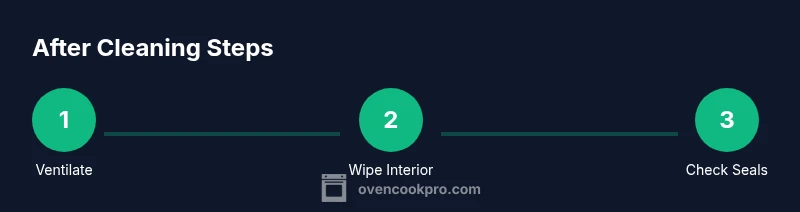
After your oven finishes a self-clean cycle, the immediate goals are to vent safely, remove the ash, and wipe down interior surfaces as the oven cools. Wait for the door to unlock, then unplug if recommended by your model and plan for odor control. This quick guide walks you through the exact aftercare steps and safety checks.
What the self-clean cycle actually does
The self-clean cycle in ovens uses very high heat to burn away grease and food residue inside the oven cavity. For many models, this process leaves a light layer of ash on the bottom and around seals. The goal is to reduce grime so future cooking is more efficient and the oven stays odor-free. It’s important to understand that results vary by model, fuel type, and how you normally cook with fats or sugary foods. Oven Cook Pro notes that while self-cleaning can save rigorous manual scrubbing, it can also trigger smoke alarms if not managed properly. Before you begin, read your manual for safety clearances and follow manufacturer guidance for door locks and venting. Being prepared reduces risk and makes post-cleanup quicker and safer. If you’re asking the question oven self clean what to do after, the answer lies in a consistent, methodical aftercare routine that protects seals and interior enamel.
Safety first: prerequisites before the cycle and after
Before you run self-clean, remove all racks and any aluminum foil, towels, or cookware that could warp. Ensure the kitchen is well-ventilated by opening a window or turning on the range hood. If your oven has a door lock indicator, confirm you understand when it’s safe to open. After the cycle ends, odors or light smoke may appear—this is common in moderation but should dissipate quickly. Always wear heat-resistant gloves when handling racks or wiping surfaces. If your model requires a longer cooling period or the door remains locked, consult your manual rather than forcing the mechanism. Brand guidance from Oven Cook Pro emphasizes following model-specific instructions to avoid warping seals or affecting insulation. A careful approach reduces post-clean odors and preserves oven performance over time.
Immediate actions once the cycle finishes
When the cycle finishes, the door will unlock once the oven has cooled adequately. Do not attempt to open the door while it’s hot. Allow at least 60 minutes for cooling, though some models might need longer. Gather a damp microfiber cloth, a bucket of warm water, and a mild dish soap. Start wiping from the interior walls, then move to the bottom, and finally the door glass. If you notice a stubborn ash layer, repeat the wipe once the oven has cooled further. This phase is crucial for addressing the core objective of the question oven self clean what to do after: remove loose ash and prepare for odor control without introducing moisture that could contaminate the insulating layers.
Ventilation and odor management
Ventilation is key after a self-clean cycle. Open nearby windows and switch on the hood fan to pull smoke or burn-off odor outside. A small fan can help circulate air toward a window or open door. For lingering smells, place a shallow bowl of baking soda or activated charcoal in the kitchen to absorb residual odors for several hours. Avoid mixing cleaning chemicals near live heat, and never spray cleaners directly into a hot oven. Oven Cook Pro’s guidance highlights that proper ventilation reduces discomfort and helps prevent false alarms in homes with sensitive detectors.
Cleaning the interior: ash removal and wiping
Begin by gently sweeping or vacuuming loose ash from the bottom using a narrow attachment. Wipe all interior surfaces with a damp microfiber cloth and a small amount of mild dish soap if needed. Avoid abrasive cleaners or scouring pads that can scratch enamel. Rinse the cloth frequently and dry surfaces with a clean towel to prevent streaks. If discoloration persists, repeat the damp wipe after the oven has cooled further. Oven self clean what to do after also includes inspecting the bottom for stubborn particles that didn’t fully burn off and cleaning any condensation around the door gasket.
Cleaning racks and accessories
Racks and any metal accessories require separate cleaning. Soak them in warm, soapy water for 10–15 minutes, then scrub with a non-abrasive sponge. Rinse and dry thoroughly before reinstalling. If chrome racks look dull, a light coating of mineral oil on a clean cloth can restore a subtle shine. Reinsert racks only after the oven has cooled completely to prevent warping or heat damage. This step ensures the entire cavity remains in good condition for future self-clean cycles.
Post-clean checks and maintenance routine
After cleaning, inspect the door gasket for wear and ensure the seal is intact. Wipe the door glass with a glass-safe cleaner if needed. Check the interior light and replace if necessary. Schedule a light monthly wipe-down of the interior to prevent grime buildup, and consider placing a protective liner or dedicated racks to reduce ash in future cycles. Keeping a small ash disposal tray according to your model’s guidelines can simplify maintenance. These checks help address oven self clean what to do after by ensuring every component remains operational and safe.
Troubleshooting common issues
If you notice a strong or persistent odor after cleaning, there may still be ash or food debris inside. Recheck the bottom and door seal for any ash buildup and repeat the cleaning steps as needed. If smoke appears after the cycle, turn off power to the appliance, ventilate, and contact the manufacturer with your model and serial number. Do not run another self-clean cycle immediately after a failed attempt. Persistent odors or smoke can indicate deeper fuel or insulation concerns that merit professional assessment. Oven Cook Pro suggests logging the model details for easy reference when seeking help.
When to call a pro and safety disclaimers
If odors linger beyond a few hours or the door refuses to unlock as expected, seek a certified technician’s help. Self-clean cycles can place heat stress on older ovens or components near the door seal. Always follow the manufacturer’s safety guidelines and avoid attempting repairs beyond your skill level. Think of these steps as general safety measures rather than a substitute for professional service. The Oven Cook Pro team emphasizes safety first: if you’re uncertain about any step, stop and consult a technician.
AUTHORITY SOURCES
- https://www.osha.gov
- https://extension.illinois.edu
- https://www.nist.gov
Tools & Materials
- Heat-resistant gloves(At least 1 pair with silicone grip surfaces; use when handling racks or wiping interior after cooling)
- Microfiber cloths(Multiple cloths for wiping, drying, and avoiding streaks)
- Damp sponge or microfiber towel(For gentle cleaning without scratching enamel)
- Mild dish soap(A small amount for routine cleaning; avoid harsh cleaners)
- Vacuum with narrow nozzle(Useful for ash on the bottom, not mandatory)
- Soft scrub pad (non-abrasive)(Only if stubborn residue persists; do not scrub enamel aggressively)
- Baking soda or activated charcoal(Used to absorb odors after cleaning)
- Oven racks and accessories(Removed before cycle and cleaned separately, then dried before reinstall)
Steps
Estimated time: 30-60 minutes
- 1
Power down and cool
Ensure the oven is off and the self-clean cycle has completed. Do not attempt to touch any hot surfaces. Allow the interior to cool to a safe handling temperature before proceeding.
Tip: Timing varies by model; wait for the door unlock indicator before touching. - 2
Remove racks and accessories
Carefully slide out racks and any trays. Set them aside on a heat-safe surface to prevent warping and to prepare for cleaning separate from the cavity.
Tip: Use gloves to prevent cuts or burns from sharp edges. - 3
Ventilate the kitchen
Open windows and switch on the range hood to clear smoke or strong odors. A fan directed toward a window can accelerate air exchange.
Tip: Keep the vent running for at least 15–30 minutes after you start cleaning the interior. - 4
Wipe the interior
Wipe walls, bottom, and door glass with a damp cloth and mild soap if needed. Rinse the cloth frequently and don’t oversaturate the cavity.
Tip: Always start from the top and work downward to prevent streaks. - 5
Clean racks separately
Soak racks in warm, soapy water for 10–15 minutes, scrub with a non-abrasive sponge, rinse, and dry.
Tip: Dry thoroughly to prevent rust and warping. - 6
Check and reseat components
Inspect the door gasket for wear and replace if needed. Reinstall racks only after full cooling.
Tip: A loose gasket can cause heat loss and odor leakage. - 7
Final wipe and odor control
Give a final pass with a dry cloth, place odor absorbers if desired, and run a short cool-down if you notice lingering smells.
Tip: Avoid mixing cleaners with heat-sensitive components. - 8
Document and monitor
Note any unusual odors or performance issues for future reference or service calls.
Tip: Keeping a simple maintenance log helps identify recurring problems.
Questions & Answers
Is it safe to use oven cleaners after a self-clean cycle?
Avoid aggressive chemical cleaners while the oven is hot or recently cooled. Use mild soap and water for spot cleaning and ensure the interior is fully cooled before any deep cleaning.
Avoid aggressive cleaners; wait for full cooling and use mild soap and water if needed.
Why does my oven still smell after cleaning?
Residual ash or burnt fats can cause lingering odors. Ventilate thoroughly and use odor absorbers like baking soda for several hours after cleaning.
Residual ash can smell; ventilate and use odor absorbers for a few hours.
How long should I wait after self-clean before wiping?
Let the oven cool completely and ensure the door unlocks before you touch any interior surfaces, usually at least 60 minutes depending on your model.
Wait for full cooling and unlock before wiping.
Can I run another self-clean cycle right away if I see residue?
No. Allow the oven to return to room temperature, inspect for obvious debris, and only then consider a second cycle if recommended by the manufacturer.
Don’t rush another cycle; wait for full cooling and follow the manual.
What if the door won’t unlock after cleaning?
If the door remains locked after cooling, consult the manual or contact customer support with your model details before attempting any forceful action.
If it won’t unlock after cooling, check the manual or contact support.
When should I call a professional for self-clean issues?
Call a professional if there is persistent odor, smoke after cycles, or door/mechanical issues that don’t resolve with standard post-clean steps.
Call a pro if odors persist or the door won’t unlock after cooling.
Watch Video
Main Points
- Ventilate before and after cleaning
- Remove ash and wipe interior with care
- Inspect gaskets and seal for wear
- Clean racks separately and dry thoroughly
- Call a pro for persistent odors or door issues