How to Protect Oven from Grease: A Step-by-Step Guide
Practical, step-by-step methods to protect your oven from grease buildup. Learn barriers, liners, and cleaning routines to keep your oven spotless, efficient, and safe.


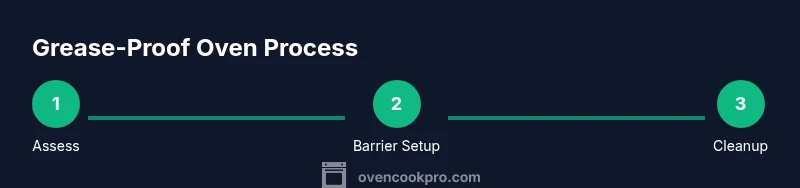
Quick answer: To protect your oven from grease, implement a three-layer strategy: use a splatter screen or foil, line drip pans with parchment or foil, and commit to a regular, grease-focused cleaning routine. Additional tips include using oven liners, preheating properly, and cooling before wiping. See the full step-by-step guide for details. Direct answer: To shield your oven from grease, adopt a three-layer approach: shield cookware with splatter guards, line shelves with foil or parchment, and clean routinely with hot soapy water. This reduces buildup and keeps baking results consistent. See our detailed, step-by-step guide for the full process.
Why grease protection matters in home ovens
Grease buildup isn’t just a cosmetic issue; it can affect heat distribution, airflow, and overall oven efficiency. When grease burns during high-heat cooking, it creates smoke and lingering odors that can transfer to food. A clean oven also reduces fire risk and makes future maintenance easier. According to Oven Cook Pro, proactive grease control begins with planning protective barriers and committing to a routine cleaning schedule. By taking small, repeatable steps, you minimize stubborn buildup and extend the life of your appliance.
Common sources of grease in the oven and how they happen
Grease comes from fats and juices released during roasting, baking, and broiling. Drips from roasting pans, splatters from fatty sauces, and even cooking spray can land on the walls, racks, and door. Over time, these residues carbonize, creating sticky layers that are hard to remove. Our analysis at Oven Cook Pro Analysis, 2026 highlights that most grease ends up on vertical surfaces and near the broiler area when high-fat ingredients are cooked uncovered. Understanding these hot spots helps you target protection where it matters most.
Physical barriers that reduce splatter and drips
Investing in physical barriers dramatically lowers grease contact with oven surfaces. Use a high-quality splatter screen over skillets and pans, and place a drip tray or sheet pan beneath roasting setups. Consider a silicone baking mat or a nonstick liner on the bottom rack to catch small drips without restricting airflow. When cooking very fatty items, tilt pans slightly toward a back corner so liquids drain away from heat-exchange surfaces. These barriers are simple, reusable, and save time during cleanup.
Liners, parchment paper, and oven-safe mats
Liners and parchment paper are your frontline defense against grease on oven floors and racks. Place parchment under roasting pans to catch splatters before they scorch. Use foil on rack tops to shield upper surfaces when roasting fatty cuts. Oven-safe silicone mats can be used on lower racks for ongoing protection during multiple dishes. Replace liners as needed to maintain their effectiveness. The key is to ensure airflow isn’t obstructed and that liners don’t touch hot elements.
A smart cleaning routine to prevent buildup
Establish a simple, frequent cleaning routine that fits your cooking habits. After each use, wipe surfaces with a warm, damp cloth or sponge to remove fresh residues before they bake on. For tougher stains, apply a paste of baking soda and water, then scrub with a non-abrasive pad. Avoid harsh chemical cleaners that can leave residues or odors. Schedule a deeper clean after several heavy grease sessions, but always follow the manufacturer’s guidance for heat and chemical exposure.
Cooking practices to minimize splatter and grease
Small changes in cooking style can have big payoff. Use lids or foil on dishes prone to splatter, preheat ovens to target temperatures quickly to reduce cooking time, and keep fatty foods covered when possible. Place trays on racks that maximize airflow to minimize localized overheating that pushes fats to the surfaces. Fresh oil sprays should be applied away from the heat source, and pans should be dry before entering the oven to reduce steam causing splatter.
Choosing the right tools and accessories
Having the right toolkit makes grease protection practical, not optional. Stock up on a sturdy splatter screen, aluminum foil sheets, parchment paper, oven liners, and a good non-scratch sponge. A spray bottle with warm water and a mild dish soap solution simplifies on-the-spot cleanups. Keep protective gloves handy for scrubbing, and invest in an extra drip pan to shift heavier fats away from hot surfaces. These essentials streamline maintenance and extend oven life.
Troubleshooting common grease issues and maintenance tips
If you notice stubborn buildup despite barriers, revisit your barrier placement and liner choices. Replacing worn liners ensures effectiveness, and rotating liners to cover the most-used areas reduces repeated exposure. If grease smells persist after cleaning, consider running a light bake cycle with a tray of water in the oven to help flush residues. Always consult the user manual for manufacturer-approved cleaners and avoid metal scrubbers that can scratch enamel.
Putting it all together: a grease-free oven routine
Adopt a simple weekly routine that combines prevention, quick cleans, and scheduled deep cleans. Start by inspecting trays and liners before cooking, set up barriers, and perform a quick wipe after each use. At the end of the week, complete a deeper wipe-down using a baking-soda paste where needed, then restore protective liners for the next cycle. The Oven Cook Pro team recommends adopting these practices as a long-term grease-control strategy to keep your oven performing well and looking new.
Tools & Materials
- Splatter screen(Choose a size that fits your most-used pan diameters)
- Aluminum foil(Heavy-duty for durability on racks)
- Parchment paper or baking liners(Use on the bottom rack or under heavy drips)
- Oven-safe silicone mats(Useful for low-profile protection on lower racks)
- Drip pans or half-sheet trays(Place beneath roasting pans to catch drips)
- Non-scratch sponge and scrub brush(Gentle cleaning tools to avoid enamel damage)
- Baking soda and white vinegar(Natural cleaners for paste and fizzing action)
- Spray bottle with warm water and dish soap(For quick post-cook touch-ups)
- Heat-resistant gloves(Protect hands during hot cleaning and barrier setup)
- Extra roasting pans(Spread grease risk by using more pans and liners)
Steps
Estimated time: Total time: 60-90 minutes
- 1
Assess and plan
Inspect your oven for the main grease-prone areas. Identify hotspots near the broiler, door seams, and rack joints. Decide which barriers will cover those zones without restricting airflow.
Tip: Mark hotspot areas with a removable tape so you know where to place liners next time. - 2
Prepare protective barriers
Lay down parchment or foil sheets on drip pans and beneath cooking vessels. Ensure barrier edges do not come into contact with heating elements. Place a splatter screen over pans when cooking fatty foods.
Tip: Cut liners to fit the exact pan sizes to maximize protection and minimize waste. - 3
Line and shield exposed surfaces
Line the bottom rack with parchment to catch spills, and cover exposed rack bars with foil when needed. Keep liners clear of drawers and vents. Use drip pans to divert grease away from burners or coils.
Tip: Replace liners between heavy cooking sessions to prevent cross-contamination of residues. - 4
Pre-cook protection and barrier use
Preheat as required, then place prepared trays and barriers before adding food. Use lids for pots and foils on trays to minimize splatter during the hottest moments of cooking.
Tip: Preheating quickly reduces the window for grease to splatter at high heat. - 5
Post-cook quick cleanup
Wipe surfaces while warm to prevent stubborn dried-on grease. Rinse sponges frequently and switch to a soapy paste for tougher patches. Save time by focusing on grease-prone zones first.
Tip: Keep a damp cloth and spray bottle near the oven door for immediate cleanup after meals. - 6
Deeper weekly maintenance
Perform a deeper clean once a week using a baking-soda paste for stubborn areas. Avoid harsh chemical cleaners that can leave residues. Re-check barrier integrity and replace worn liners as needed.
Tip: Schedule this into a calendar reminder to maintain consistency. - 7
Seasonal check and vent care
Dust or wipe the oven vents to maintain airflow. Check door seals for leaks as these can allow grease to escape into crevices. Replace damaged seals to prevent future buildup.
Tip: A clean vent and seal helps maintain even heating and reduces smear risk. - 8
Review and adjust routine
Evaluate which barriers and liners were most effective. Adjust placement for future meals based on your cooking habits. Keep a simple log of what worked and what didn’t.
Tip: Iterate: small changes can yield big reductions in grease buildup over time.
Questions & Answers
Is it necessary to line every tray with parchment when cooking fatty foods?
While it isn’t strictly mandatory for every dish, lining trays with parchment significantly reduces grease contact and makes cleanup easier. For sensitive recipes, combine parchment with foil barriers to maximize protection.
Lining trays helps cut down grease contact and makes cleanup easier, especially for fatty dishes.
Can I use aluminum foil on oven walls to protect them from grease?
Foil can protect walls, but it should be used carefully. Do not block vents or heat circulation, and avoid covering large areas of the interior that could trap heat or odors.
Yes, you can use foil to shield walls, but don’t block vents or airflow.
How often should I deep-clean the oven to prevent grease buildup?
Aim for a regular cleaning cadence aligned with your cooking volume. Use quick wipe-downs after each use and perform a deeper clean after heavy grease sessions, following your manufacturer’s guidelines.
Clean regularly after heavy grease cooking and do a deeper clean as needed.
Does grease buildup affect oven performance?
Yes. Accumulated grease can impede heat distribution and airflow, leading to uneven cooking and more smoke. Regular barrier use and cleaning help maintain performance.
Grease buildup can impact heat and cooking quality; keep it cleaned.
Are self-cleaning cycles effective for grease protection?
Self-cleaning cycles can help reduce heavy buildup, but they aren’t a substitute for routine barrier use. Always follow the manual and ensure proper ventilation during cycles.
Self-cleaning can help but isn’t a substitute for regular barriers and cleaning.
What is the best approach if grease still smudges the door seal?
Examine the door seal for damage and clean around it gently with a non-abrasive sponge. If damage is present, consult the manufacturer or a professional technician.
Check the seal for damage and clean carefully; replace if needed.
Watch Video
Main Points
- Establish barriers before cooking fatty foods.
- Line drips and use liners to minimize grease contact.
- Wipe and clean surfaces while warm for best results.
- Choose proper tools to support ongoing protection.
- Regular maintenance prevents stubborn buildup.