How to Deal with Smoky Oven: Safe, Practical Steps
Learn how to deal with smoky oven safely with methods to extinguish smoke, ventilate, clean, and prevent recurrence. Trusted guidance from Oven Cook Pro.


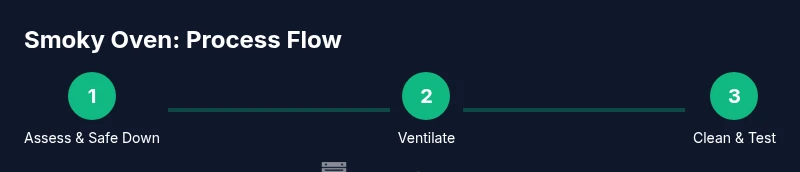
You can safely deal with a smoky oven by shutting off the heat, opening doors and windows, and using a fan to vent. If safe, evacuate or contain the smoke, inspect the oven for smoldering debris, and smother flames with a metal lid or baking soda. Then clean, ventilate, and test before reuse.
What causes smoke and why it happens
Smoke from an oven is usually the result of overheated oils, sugars caramelizing on food, spills burning on the bottom, or a blocked exhaust vent. Understanding the root cause helps you respond quickly and safely. According to Oven Cook Pro, most smoky oven incidents stem from simple missteps during preheating, tray placement, or insufficient ventilation. If you’re wondering how to deal with smoky oven, your first priority is safety: turn off the heat, keep the oven door closed to limit oxygen, and ventilate the kitchen. Once the smoke subsides, assess whether the smell comes from burnt food, oil buildup, or a more serious electrical issue. This quick assessment guides you to the right next steps and helps prevent flare-ups.
Note how ventilation and careful observation can prevent small incidents from becoming bigger fires. Throughout this guide you’ll find practical steps you can implement in minutes to reduce risk and restore normal operation.
Immediate safety actions you should take
In a smoky oven situation, act methodically to protect people and property. Start by turning off the oven and, if safe, unplug the appliance. Open exterior doors or windows and switch on the range hood or a fan to create airflow. If flames are visible, do not open the door—stifle the fire by covering it with a metal lid or baking sheet. Evacuate children and pets if the smoke is heavy, and call emergency services only if the fire grows or you cannot control it. After the area is safe, wait for the oven to cool before inspecting more closely. These safety steps minimize exposure to smoke and potential toxins.
Remember, a calm, systematic response reduces risk and makes cleanup faster.
Ventilation and containment techniques
Ventilation is your best ally when dealing with oven smoke. Use a high-powered exhaust fan or open multiple windows to create cross-ventilation. Run the range hood at its highest setting, and point a portable fan toward an open doorway to direct smoke outside. Place the oven door either fully closed or at a slight angle if you suspect a flare, never leave it fully open during active smoke. If you have a CO detector, ensure it’s active and consider temporarily relocating it away from the kitchen to avoid false alarms while smoke disperses. This approach keeps air quality within safe limits while you address the root cause.
Cleaning after a smoky oven: what to clean and how
Once the oven has cooled, clean the interior to remove residue that causes ongoing smoke odors. Remove racks and crusty drips; wash them with warm, soapy water. Wipe the interior with a damp cloth and a non-abrasive cleaner suitable for ovens; avoid abrasive pads that can scratch surfaces. Clean the glass door with a dedicated glass cleaner to restore visibility. Check the crumb tray and exhaust filter; replace or wash if needed. After cleaning, run a short, empty bake to ensure the oven preheats evenly and isn’t releasing additional smoke. Proper cleaning prevents future smoke and keeps odors at bay.
A thorough cleaning also helps you spot any oil buildup that could cause future flare-ups.
Preventing future smoky oven incidents
Prevention is better than emergency fixes. Practice consistent preheating with the correct rack position and temperature, avoid placing oil-coated pans directly on heating elements, and keep oven interiors clean to prevent fat and sugar buildup. Use parchment paper or foil to catch drips, and avoid leaving unattended food that could burn. Regular maintenance checks, including cleaning oven seals and vent pathways, reduce the risk of smoke significantly. Oven Cook Pro analysis shows that small changes in routine yield big improvements in odor control and safety. Implementing these habits now reduces the chance of smoky surprises later.
Step-by-step actions during and after a smoky event
During a smoky event, follow a structured plan to minimize damage and restore normal operation. After the event, perform a thorough post-incident review to identify any recurring hotspots (grease buildup, spilled sauces, or blocked vents) and address them promptly. Regular maintenance, such as monthly wipe-downs and annual vent cleaning, helps keep your oven in peak condition and reduces the likelihood of future smoke events.
Quick safety review before your next bake
Before you bake, ensure the oven racks are positioned correctly, trays are dry and grease-free, and oven doors seal properly. Check that vent filters are clear and the kitchen is ventilated. Keeping a small, fire-safe emergency kit nearby (including a metal lid, baking soda, and a fire extinguisher) makes it easier to respond quickly if smoke arises again.
Tools & Materials
- Oven mitts(Heat-resistant, full coverage)
- Ventilation fan or open window(Box fan or range hood for air flow)
- Fire-safe cover (metal lid or baking sheet)(Used to smother small flames)
- Fire extinguisher (ABC type)(Keep within reach; know how to use)
- Baking soda(Useful for smothering small flames if safe)
- Non-abrasive oven cleaner and cloths(For interior cleaning after cooling)
- Soapy water and scrub brushes(Racks and drip trays require washing)
- CO detector (alarm)(Ensure it’s functioning during events)
Steps
Estimated time: 30-60 minutes
- 1
Power down and secure the area
Shut off the oven and, if safe, unplug the unit to stop any further heating. Keep kids and pets away from the area and wear heat-resistant gloves when handling hot components. Assess for obvious flames before proceeding.
Tip: If flames are large, evacuate and call emergency services instead of attempting to smother. - 2
Ventilate the space
Open exterior doors and windows and turn on the range hood or a high-velocity fan to pull smoke out of the room. Direct airflow toward an exterior exit and away from occupied living spaces.
Tip: Create cross-ventilation by opening a window on the opposite side of the house. - 3
Check for flames and smoldering debris
Look for visible flames or glowing debris inside the oven. If you see flames, do not open the door—smother with a metal lid or baking sheet and wait for them to die out.
Tip: If you cannot control the flames with a lid, evacuate and call emergency services. - 4
Contain and extinguish safely
If safe, use baking soda or a fire blanket to cover hot spots. Do not use water on hot oil or grease. Allow the oven to cool before touching components.
Tip: Keep the cabinet doors open to vent heat after closing the oven. - 5
Clean up and cool down
Remove racks and bakeware with oven mitts, place on a heat-safe surface, and wipe loose debris with a damp cloth after cooling. Do not rush this step; allow full cooling time before thorough cleaning.
Tip: Check interior panels and seals for signs of damage while they’re accessible. - 6
Test before the next bake
After cleaning, perform a short test bake at a low temperature to confirm there’s no residual smoke. If odor persists, repeat cleaning or call a professional.
Tip: Document any recurring issues for future maintenance.
Questions & Answers
Is a smoky oven dangerous, and when should I call for help?
Yes, smoke can indicate burning oil or food and, in rare cases, electrical issues. If flames persist, you smell burning plastic, or can’t control the smoke, evacuate and call emergency services. If in doubt, seek professional help.
Smoke can signal a potential fire. If flames persist or you can’t safely control it, evacuate and call emergency services.
Should I open the oven door to vent smoke?
Opening the door can feed oxygen and intensify flames. Leave the door closed if flames are present, and use exterior ventilation to clear the room instead. Open slowly only after the heat has subsided.
Don’t open the door if you see flames; instead ventilate from the room and wait for it to calm.
What should I do if there’s no flame but there’s smoke and a bad odor?
Turn off the oven, ventilate, and wipe down any obvious residue. After it cools, clean thoroughly to remove oil and burnt particles. If odors persist after cleaning, consult a professional.
Turn off the oven, ventilate, clean the interior after it cools, and seek professional help if odors linger.
When is it safe to reuse the oven after a smoky incident?
Only after the oven is cool, cleaned, and tested with a short bake showing no smoke or odors. If you notice lingering smoke or odors, repeat cleaning or call a technician.
Reuse only after cooling, cleaning, and a smoke-free test bake.
Can preventive steps reduce smoked oven incidents?
Absolutely. Regular cleaning, correct rack placement, and avoiding oil-heavy foods near heating elements dramatically reduce smoke risk. Schedule periodic maintenance checks for seals and vents.
Yes. Regular cleaning and proper setup prevent most smoky oven incidents.
What basic safety items should I keep handy?
Keep a metal lid, baking soda, a fire extinguisher, and clean towels nearby. These basics help you respond quickly and safely to minor flare-ups.
Have a metal lid, baking soda, and a fire extinguisher ready for quick action.
Watch Video
Main Points
- Identify and address the cause early to stop smoke quickly.
- Prioritize safety: shut off heat, ventilate, and keep everyone away.
- Clean thoroughly after cooling to prevent recurrence.
- Prevention through routine maintenance reduces smoke risk.