Shrimp Boil in Oven: A Complete Step-by-Step Guide
Learn to cook a flavorful shrimp boil in the oven with butter, garlic, and lemon. This Oven Cook Pro guide covers prep, timing, safety, variations, and serving ideas for juicy, well-seasoned shrimp.


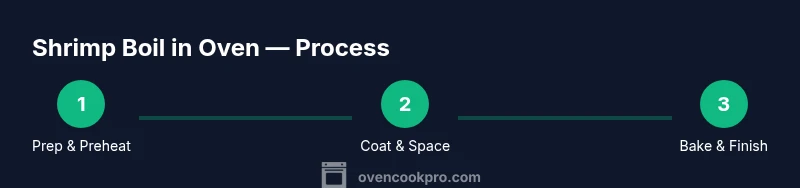
You will master a shrimp boil in the oven, achieving juicy, evenly cooked shrimp with lemon, garlic, and butter. This method uses parchment-lined trays, a single layer, and a brief, high-heat bake for flavor plus a quick finish under the broiler. You’ll learn prep steps, timing cues, and safety tips to avoid overcooking and soggy shrimp.
Why a shrimp boil in the oven is practical
Cooking shrimp boil in oven is a practical, hands-off approach that delivers consistent results with less cleanup than a traditional stove-top boil. The hot, even heat of the oven promotes browning at the edges while keeping the center moist and tender. According to Oven Cook Pro, this method reduces the risk of uneven cooking that can occur with pot boils, especially when feeding a crowd or cooking on a busy weeknight. The technique relies on a single-layer sheet pan lined with parchment or a silicone mat, which prevents sticking and makes cleanup a breeze. With the right seasoning, a short bake, and a quick finish under the broiler, you’ll achieve bright garlic-lemon aroma, butter-coated shrimp, and a satisfying, shareable dish. This section sets the stage for understanding how the oven can act as a reliable, controllable cooking tool for a shrimp boil in oven and how to adapt it to your kitchen setup and flavor preferences.
Core ingredients and substitutions
A successful shrimp boil in the oven starts with simple, pantry-friendly ingredients. You’ll need shrimp (peeled and/or shell-on depending on preference), butter or olive oil, garlic, lemon, salt, pepper, and a bold spice blend such as Old Bay or paprika. You can customize based on dietary needs: dairy-free options include olive oil and citrus, while a herb-forward version uses parsley or cilantro. If you’re using shell-on shrimp, plan for slightly longer cooking time and a bit more effort when peeling after cooking. For a quick, bright finish, add lemon zest and fresh herbs just before serving. This section helps you decide which ingredients to keep on hand and how to adapt the flavor profile to your taste and guests’ preferences, all while keeping the method straightforward and reliable for beginners and seasoned cooks alike.
Equipment and workspace setup
Set up a clean, organized workspace to execute the shrimp boil efficiently. You’ll need a rimmed sheet pan, parchment paper or a silicone mat, one or two large mixing bowls, measuring spoons, a silicone brush or spoon for butter, tongs for turning, and an oven thermometer to verify temperature accuracy. Line the pan with parchment, then arrange the shrimp in a single layer to ensure even heat exposure. Pre-measuring spices helps your hands stay free to toss and turn as needed. This section emphasizes the importance of a well-prepared workspace to minimize errors and maximize flavor and even browning.
Flavor foundation: butter, garlic, citrus, and spice
Butter carries the shrimp boil in oven from bland to bold. Melted butter or a light olive oil base carries garlic and lemon bright notes, while salt and pepper balance richness. A robust spice blend, such as Old Bay or paprika, adds warmth and depth without overwhelming delicate shrimp flavor. For a citrus-forward profile, add lemon juice to the butter and finish with lemon zest. This block explains how to balance fat, acid, and heat to build a bright, cohesive flavor that coats every shrimp without pooling heavy sauce at the bottom of the tray.
Techniques for even cooking and texture
Even cooking hinges on heat, pan setup, and shrimp spacing. Arrange shrimp in a single, non-overlapping layer on parchment to maximize surface contact with heat and promote caramelization. If needed, rotate the pan halfway through the bake to account for hot spots. Keeping the shrimp dry before seasoning helps them brown rather than steam. A brief broil finish can add color and a hint of crispness on the edges while preserving juiciness in the center. This section provides practical tips for achieving consistent texture across a crowd.
Timing and temperature strategy
The oven method relies on a high-heat, short-duration cook to get pink and opaque shrimp with a lightly browned exterior. A typical approach uses a hot oven and a brief finish under the broiler for color. Because ovens vary, rely on visual cues (shrimp turning opaque and curling gently) rather than exact times alone. If you’re cooking for a crowd, work in batches or use two sheet pans to avoid overcrowding. This section translates general timing concepts into adaptable guidance suitable for different ovens and shrimp sizes, with safety considerations for handling hot trays.
Variations for dietary needs and flavors
Adapt the basic oven shrimp boil to suit different palates and dietary needs. For dairy-free cooks, substitute butter with olive oil and add extra citrus. For heat lovers, add cayenne or crushed red pepper to the spice mix, or opt for a Cajun blend. Fresh herbs such as parsley or dill brighten the finish, while a squeeze of fresh lemon right before serving delivers a high-contrast, zippy note. This section encourages experimentation within a safe, repeatable method that yields reliable results without complicated steps.
Serving ideas, sides, and leftovers
A shrimp boil in oven pairs beautifully with corn on the cob, boiled baby potatoes, or a simple green salad. Serve with extra lemon wedges and crusty bread to mop up the flavorful butter. Leftovers can be refrigerated in an airtight container for up to 2–3 days and reheated gently, preferably in a hot, dry pan to re-crisp edges. If you’re planning ahead, consider prepping ingredients in advance and storing them in the fridge to cut down on last-minute prep. This section helps you plan a complete meal around the oven-baked shrimp to maximize convenience and flavor.
Tools & Materials
- rimmed sheet pan(18x13-inch or larger; prevents spillover and makes space for even browning)
- parchment paper or silicone baking mat(prevents sticking and simplifies cleanup)
- large mixing bowls(one for shrimp, one for butter/spice mix)
- measuring spoons(for spices and salt to ensure accuracy)
- kitchen tongs(for turning shrimp and serving)
- oven thermometer(helps verify oven temperature for consistent results)
Steps
Estimated time: Total time: 25-40 minutes
- 1
Preheat and prep pan
Preheat your oven to a hot setting and line the sheet pan with parchment. This ensures a crisp exterior and easy cleanup. If your oven runs cool, consider a brief preheat to confirm heat recovery after loading the pan.
Tip: Use an oven thermometer to confirm the actual temperature matches your setting. - 2
Prep shrimp
Rinse and pat dry the shrimp. If peeled, keep tails on for easy handling and garnish; if shell-on, plan for slightly longer cooking and easier peeling after cooking.
Tip: Pat shrimp completely dry to promote browning rather than steaming. - 3
Make garlic butter mixture
Melt butter or whisk in olive oil with minced garlic, salt, and lemon zest. This forms a fragrant base that will coat all shrimp and enhance color and flavor.
Tip: Warm the butter just enough to emulsify with garlic; don’t let it burn. - 4
Toss shrimp with seasoning
Toss the shrimp in the garlic butter mixture until evenly coated. Add paprika, black pepper, and a pinch of salt to build depth.
Tip: Aim for even coating; stickier coatings can lead to uneven browning. - 5
Line pan and arrange
Spread the shrimp in a single layer on the parchment-lined pan. Overcrowding promotes steaming rather than browning, so give each piece space for heat to circulate.
Tip: If using two pans, rotate midway for even browning. - 6
Bake until pink and opaque
Bake until the shrimp are pink, opaque, and just cooked through. Cooking times will vary with size and oven, so watch for visual cues rather than relying solely on a timer.
Tip: Remove the pan as soon as shrimp reach the desired doneness to prevent overcooking. - 7
Finish with broil for color
If you want more browning, switch to a brief broil moment. This adds a touch of caramelization without drying the shrimp.
Tip: Keep a close eye during broiling to avoid burnt edges. - 8
Rest, garnish, and serve
Let shrimp rest for a minute, then drizzle with any remaining garlic butter and lemon juice. Garnish with chopped parsley and serve with lemon wedges.
Tip: Resting helps the juices re-distribute for juicier shrimp. - 9
Cleanup and storage
Wipe the pan, wash bowls, and store leftovers in an airtight container in the fridge. Reheat gently in a hot pan or oven to preserve texture.
Tip: Label leftovers with date to keep track of freshness.
Questions & Answers
Can I use frozen shrimp for this method?
Yes, thaw the shrimp completely and pat dry before seasoning to achieve even browning. Frozen shrimp can cook unevenly if not fully thawed.
Yes, thaw the shrimp completely and pat dry before seasoning to ensure even browning.
What temperature should I oven-cook at?
Aim for a high-heat environment, usually around a hot oven range. Adjust based on your oven’s behavior and the size of the shrimp; use visuals to guide doneness.
Use a hot oven and watch the shrimp for doneness based on color and texture.
Shell-on vs peeled shrimp, which is better?
Shell-on shrimp add flavor as they cook, but peeled shrimp cook a bit faster and are easier to eat. Choose based on your time and serving preference.
Shell-on adds flavor but peeled cooks faster and is easier to eat.
Can I prep this ahead of time?
Yes, you can mix the butter and seasoning ahead and refrigerate, then toss with shrimp just before cooking. This saves time at mealtime.
Yes, mix seasoning ahead and refrigerate, then cook when ready.
How should I store leftovers?
Store cooled leftovers in an airtight container in the fridge for 2–3 days. Reheat gently on the stovetop or in the oven to preserve texture.
Store in the fridge for 2–3 days and reheat gently.
Is this method healthier than a traditional boil?
The oven method can be lower in oil and reduces water usage, while still delivering rich flavor. It supports customization to suit dietary needs.
It can be lower in oil and uses less water than a pot boil, with customizable flavors.
Watch Video
Main Points
- Preheat and prep the pan for crisp shrimp.
- Keep shrimp in a single layer to ensure even cooking.
- Use garlic butter and citrus for bold, balanced flavor.
- Watch for visual doneness rather than exact times.
- Great for weeknights and entertaining with simple sides.