Oven Fried Chicken Recipe: Crispy, Juicy Oven-Baked Chicken at Home
Master a crispy, oven-fried chicken recipe with a robust dredge, smart coating options, and practical tips to bake perfectly browned, juicy chicken without deep frying.


By the end of this guide you will make crispy, oven-fried chicken with a golden coating and juicy interior. You’ll master a simple dredge, seasonings, and a hot oven to achieve deep-frying-like crunch without oil immersion. The recipe covers marinades, coating options, bake times, and practical tips to prevent sogginess and ensure even browning every time.
The Value of Crunch Without Deep Frying
A good oven-fried chicken recipe delivers a texture similar to fried chicken without submerging in oil. The trick is to remove surface moisture, use a hot oven, and give the coating enough structure to crackle under heat. Preheating to a high temperature (typically around 425°F / 220°C) ensures rapid surface browning, which helps set the crust before the interior dries. Using a wire rack set over a parchment-lined baking sheet allows air to circulate around every piece, producing even color and crunch on all sides.
Moisture is the enemy of crispness. Pat chicken dry, and if you like, briefly brine or marinate to improve juiciness; then the dredge should adhere. Two-stage coatings (flour mixture followed by breadcrumbs or cornmeal) create multiple layers that expand and crackle during baking, creating that characteristic bite. Finally, a light spray of oil helps the crust brown without deep-frying.
If you want extra-crunch, add a small amount of cornstarch or potato starch to the flour mix. For gluten-free versions, substitute with gluten-free all-purpose flour and gluten-free breadcrumbs. Keeping the pieces roughly the same size ensures uniform heat exposure; avoid overcrowding.
Ingredients and Substitutions
This recipe leans on a two-stage coating for maximum crunch. You can adapt the dredge to your pantry by choosing one of several coating combinations. A classic option uses all-purpose flour seasoned with salt, pepper, paprika, garlic powder, and onion powder. For extra crisp, swap in panko breadcrumbs or a mix of breadcrumbs with a tablespoon of cornstarch. If you’re gluten-free, use gluten-free flour and gluten-free breadcrumbs or crushed cornflakes for a similar crunch. Chicken selections vary; boneless skinless breasts or thighs both work, but thighs typically stay juicier. Marinades or brief brines can improve tenderness, but plain buttermilk or yogurt also helps the coating stick.
Seasoning ideas include a garlic-forward blend, smoked paprika for warmth, or a hint of cayenne for heat. Regardless of variation, the goal is a flavorful, well-adhered crust that crisps up in the oven rather than in a pan of hot oil.
Coating Techniques for Maximum Crisp
Crisp comes from structure and adhesion. A two-stage dredge—first a seasoned flour mix, then a coating of breadcrumbs or a gluten-free alternative—creates multiple, crackly layers that resist sogginess. For extra bite, dust the chicken with a light coating of cornstarch or potato starch in the flour mixture. Press the coating onto the surface firmly to improve adhesion, then let the dredged pieces rest on a rack for 10–15 minutes to set the crust before baking. A gentle oil spray on the tops helps brown the crust evenly without pooling grease.
To maximize crunch, consider a hybrid approach: 60–70% breadcrumbs with a small portion of finely crushed cornflakes. If you prefer a lighter crust, use a simple flour-and-spice dredge with a final light mist of oil and a mid-range oven temperature. Either method benefits from air circulation around the chicken as it bakes.
Oven Setup, Timing, and Safety for Even Browning
The key to reliable results is a hot, evenly heated oven and proper air flow. Preheat the oven to about 425°F (218°C) and use a rimmed baking sheet with a wired rack placed on top to ensure air can circulate under and around each piece. Arrange chicken pieces with ample space—crowding causes steaming, which prevents browning. Bake until the crust is deeply golden and the internal temperature reaches 165°F (74°C) in the thickest part. Flip halfway through to promote even browning on both sides and rotate the pan if necessary for uniform color. Let the chicken rest for a few minutes after removing from the oven to reabsorb juices.
If you’re using a convection setting, reduce the temperature by about 25°F (15°C) and monitor closely to avoid over-browning. Safety note: always handle hot pans with oven mitts and keep a built-in timer to avoid overcooking.
Appearance, Texture, and Serving Tips
Crisp, evenly browned chicken pieces look appetizing and invite a crackly bite. Serve hot with fresh lemon wedges, dipping sauces, or a simple herb yogurt sauce. Texture-wise, aim for a crust that remains crisp for at least 10–15 minutes after baking. Pair with light sides like a green salad, coleslaw, or roasted vegetables to balance the richness. If you want extra warmth, a touch of chili powder in the dredge pairs nicely with a cool cucumber-yogurt sauce. Finally, consider variations like a garlic-herb finish or a smoky paprika crust to keep the dish exciting on repeat.
Tools & Materials
- boneless skinless chicken thighs or breasts(Choose uniform sizes for even cooking)
- buttermilk or yogurt (optional for marinade)(Adds tenderness and flavor)
- all-purpose flour(Base dredge for coating)
- cornstarch or potato starch(Small amount boosts crisp)
- seasoned breadcrumbs or panko(Main crunchy layer)
- garlic powder, onion powder, paprika, salt, pepper(Flavor base for dredge)
- parchment paper(Line sheet for easy cleanup)
- wire rack(Elevates chicken for air flow)
- baking sheet(Supports the rack)
- vegetable or olive oil spray(Lightly oil for browning)
- meat thermometer(Check doneness safely)
- mixing bowls(Separate dredge stations)
Steps
Estimated time: Total time: 45-60 minutes
- 1
Gather ingredients and preheat oven
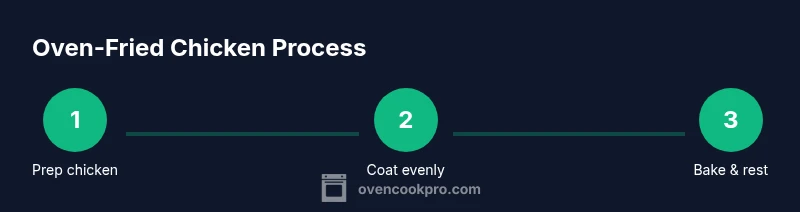
Assemble all ingredients on the counter and preheat the oven to 425°F (218°C). A hot oven is essential for rapid surface browning and a crisp crust. Position the rack in the middle of the oven so heat reaches the chicken evenly.
Tip: Let the oven reach full temperature before you load the trays. - 2
Pat chicken dry
Pat the chicken pieces dry with paper towels to remove surface moisture. Any moisture can steam the coating and hinder browning, so consistent dryness is key.
Tip: Even moisture removal pays off with a crisper crust. - 3
Prepare the dredge mix
In a bowl, whisk together flour, cornstarch (if using), salt, pepper, paprika, garlic powder, and onion powder. A well-mixed spice blend ensures every bite is flavorful.
Tip: Sift the flour for a lighter, more uniform coating. - 4
Coat in flour mixture
Dredge each chicken piece in the seasoned flour, turning to coat fully. Shake off excess flour so the crust adheres without clumping.
Tip: Press the flour gently onto the surface to improve adhesion. - 5
Dip and coat with breadcrumbs
Roll or press the floured chicken in breadcrumbs or panko. For extra crunch, mix a portion of breadcrumbs with crushed cornflakes. Ensure an even, thick layer.
Tip: Lightly press the crumbs onto the chicken to maximize grip. - 6
Arrange on a wire rack
Place the coated chicken on a wire rack set over a parchment-lined baking sheet. Give each piece space to air out and brown evenly.
Tip: If you don’t have a rack, use two baking sheets spaced apart on the oven rack. - 7
Lightly oil the tops
Spray the tops of the chicken lightly with oil. A small amount of oil promotes browning without greasiness.
Tip: Avoid heavy oil puddles on the crust perimeter. - 8
Bake, flip, and rotate
Bake for about 25–30 minutes, then flip the pieces and rotate the pan for even browning. Continue baking until the crust is deeply golden and the interior hits 165°F (74°C).
Tip: Check early if pieces vary in size; smaller pieces cook faster. - 9
Rest and serve
Remove from oven and let the chicken rest 5–10 minutes before serving. Resting helps juices redistribute for juicier results.
Tip: Serve immediately for peak crispness; reheat leftovers in a hot oven to regain texture.
Questions & Answers
How do I get extra crisp on oven fried chicken?
Use a two-stage dredge (flour mix followed by breadcrumbs), press coating firmly, and bake on a rack at a high oven temperature. A light oil spray also helps browning without greasiness.
For extra crisp, try a double coating and a rack to keep air flowing while baking.
Should I marinate or brine before baking?
Marinating or light brining can improve tenderness and juiciness, but it’s optional. If you brine, do so briefly and pat dry before dredging to maintain coating adhesion.
Brining can help with tenderness, but it’s not required for good results.
Can I use chicken breasts or thighs?
Both work well. Thighs stay juicier and more forgiving if slightly overcooked; breasts cook faster and can dry out if not monitored. Adjust bake time accordingly and check for 165°F internal temperature.
Thighs stay juicier; breasts cook faster—watch them closely.
Is gluten-free coating possible?
Yes. Use gluten-free flour and breadcrumbs, or alternate with finely crushed cornflakes for texture. Gluten-free options can still achieve a satisfying crunch with proper coating and air circulation.
Absolutely—gluten-free coatings can be just as crunchy.
What internal temperature should I target?
Aim for an internal temperature of 165°F (74°C) in the thickest part of the chicken. Use a meat thermometer to verify without cutting into the crust.
Check for 165 degrees in the thickest part.
How should I store and reheat leftovers?
Store leftovers in the refrigerator in a sealed container for up to 3–4 days. Reheat in a hot oven or toaster oven to restore the crisp crust, not in a microwave if you want to preserve texture.
Keep leftovers in the fridge and reheat in a hot oven to restore crisp.
Watch Video
Main Points
- Preheat oven to a hot setting for browning.
- Use a rack for air circulation to maximize crispness.
- Apply a double-layer coating for crunch.
- Rest the meat briefly before serving.