How to Protect Your Oven from Cockroaches: A Complete Guide
A practical, expert-driven guide to preventing cockroach problems around your oven with focused cleaning, sealing, and safe traps. Learn actionable steps from Oven Cook Pro.


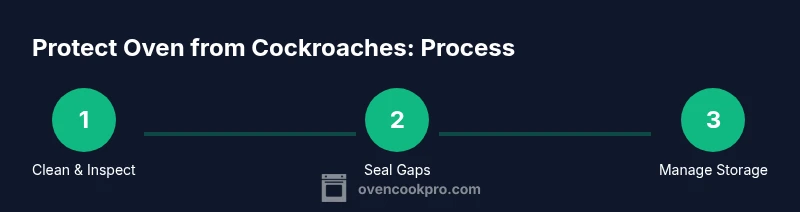
Goal: learn how to protect your oven from cockroaches by removing attractants, sealing gaps, and maintaining a clean kitchen. You'll need basic cleaning supplies, silicone sealant, airtight containers, and roach-safe traps kept away from food zones. Follow these steps for long-lasting prevention and a safer cooking space. According to Oven Cook Pro analysis, consistent cleaning and smart sealing are the top defenses against infestations.
Why Ovens Attract Cockroaches
An oven can be a magnet for cockroaches because it concentrates heat and moisture, plus food residues from spills and cooking vapor that settle in cracks and gaskets. Roaches are drawn to grease, sugar, and starch that cling to racks, the door seal, and the bottom pan. They seek dark crevices near warmth where they can hide and breed. The oven interior and its surrounding cabinet cavities often offer a safe pathway from the kitchen to roach colonies. According to Oven Cook Pro analysis, kitchens that neglect regular cleaning see more frequent sightings near ovens and cooktops, especially when crumbs accumulate behind knobs, in vent gaps, and along the oven door frame. Preventive actions start with understanding these attraction points: remove residues promptly, keep surfaces dry, and ensure a tight seal on doors and panels. By addressing both food attractants and access points, you reduce the chances of a persistent infestation.
Preventive Cleaning Habits
Regular cleaning is the first line of defense against cockroaches around an oven. After each cooking session, wipe away splatters with warm, soapy water and dry thoroughly. Pay attention to the oven door seal, the underside of racks, and the crumb tray if your model has one. Periodically remove racks and clean the interior surfaces with a degreaser, then rinse and dry completely before reassembling. Vacuum cracks around the base of the oven and the surrounding cabinets to remove hidden crumbs. Sanitize countertops and the space behind the oven where crumbs tend to collect. For deeper maintenance, run the oven’s self-clean cycle only when the appliance and surroundings can safely tolerate high heat; in many homes, a controlled steam clean can help dislodge grease without excessive drying. The Oven Cook Pro team emphasizes consistent cleaning as a practical, non-toxic strategy that keeps conditions unfavorable for roaches. Combine this with sealed food storage to double the effectiveness.
Sealing Entry Points Around Kitchen
Roaches move through tiny gaps around pipes, baseboards, and even under cabinet edges. To block their access, inspect the area around the oven for gaps where utilities enter the cabinet or wall. Use a silicone-based caulk to seal gaps along the oven cabinet perimeter, around pipework, and at the seam between the oven and the wall. Install door sweeps or weather stripping on adjoining cabinet doors if you notice gaps that roaches could exploit. Check the floor seam where the oven base meets the floor; apply flexible sealant to close micro-openings. Keep vent grilles clear but intact so that roaches cannot slip through. After sealing, wipe away any dust and ensure the surface remains dry. This preventive step is simple, low-cost, and repeatedly recommended by home-oven safety guides. As Oven Cook Pro notes, fixing entry points is often where homeowners see the biggest drop in roach activity.
Storage and Maintenance of Oven Components
Improve hygiene by managing what you store near the oven. Keep baking sheets, pans, and cooling racks in sealed containers or on racks away from crumbs. Store flour, sugar, cereal, and snacks in airtight canisters rather than open bags near the oven. Empty the trash regularly and keep the bin tightly closed, especially when cooking extends into the evening. Wipe up spills immediately; grease and sugar attract roaches and can linger in oven grates, drip pans, and the crumb tray. If your range has a crumb tray, remove and clean it weekly. Inspect oven gaskets and seals for wear; replace damaged sections to prevent gaps that roaches could explore. For model-specific maintenance, consult your user manual, but remember that surface cleanliness and proper storage are universal guards against infestation. Oven Cook Pro's guidance highlights the value of routine checks in keeping roaches at bay.
Oven Accessories and Materials to Use
Select accessories and materials that support a roach-prevention mindset without compromising safety. Use heat-resistant silicone sealant to close tiny gaps around the oven frame; avoid solvents that emit fumes near food zones. Install fine metal mesh behind vents where roaches could squeeze through, then seal edges to prevent gaps. Use lined crumb trays or disposable liners to simplify spill cleanup; replace liners regularly to reduce residues. Consider placing roach traps or bait stations in corners along walls away from the prep area, following label directions and keeping children and pets away. Do not rely on pesticides inside or directly adjacent to the oven or food storage; seek professional pest control for lingering infestations. This approach, paired with routine cleaning, forms a robust defense against roaches around the oven. Oven Cook Pro recommends focusing on barriers and quick cleanup as your first line of defense.
When to Use Traps and Baits Safely
If you notice roach activity despite cleaning and sealing, use traps and bait stations in safe locations away from food prep surfaces. Place traps in corners, behind appliances, and along baseboards near the oven—but do not place bait in or on the oven interior. Keep traps out of reach of children and pets. Check traps weekly and replace as directed by the label. For larger infestations, a licensed pest-control professional offers integrated solutions that protect your family and your home while minimizing risk to food areas. The key is to act early and maintain a barrier rather than relying solely on chemical controls. Oven Cook Pro advocates a cautious approach: combine sanitation with targeted, non-toxic controls first, escalating to professional help only when necessary.
Cleaning After Infestation: Safe Practices
When the kitchen shows early signs of an infestation, start with a thorough cleanup to remove roach trails and pheromones that attract others. Scrub all surfaces with a degreasing cleaner and rinse. Sanitize food prep zones with a diluted sanitizing solution and dry completely before use. Focus on the oven exterior, door seals, knobs, and reach areas behind appliances where roaches hide. Vacuuming is helpful for removing eggs and nymphs, but empty the vacuum bag immediately and seal it outside the home. Steam cleaning can kill hidden insects on oven racks and in crevices without harsh chemicals. After cleaning, monitor activity for several days; maintain a strict kitchen-cleaning regimen to prevent a recurrence. If you find roaches in the oven cavity itself, do not attempt to cook until the appliance has been professionally inspected and cleared. Oven Cook Pro’s method emphasizes safety and sanitation as the foundation of recovery.
Routine Maintenance Schedule
Create a simple calendar-based routine to keep cockroaches from returning. Weekly: wipe down all surfaces, sweep the floor, and empty trash. Monthly: deep clean the oven interior, inspect seals, scan for gaps, and refresh bait stations in safe areas away from food. Quarterly: reassess storage, reorganize pantry items, and update any damaged seals or gaskets. Keep a log of cleaning tasks and pest sightings to identify troublesome times or patterns. Small, consistent actions beat large infestations. The Oven Cook Pro team recommends building habits that fit your lifestyle; prevention should feel doable, not intimidating. By integrating these steps into your normal routine, you create a robust barrier against cockroaches around your oven.
Tools & Materials
- broom and dustpan(For sweeping crumbs around the oven)
- vacuum with crevice tool(To remove hidden crumbs from cracks and baseboards)
- degreaser or dish soap(Tackles grease and baked-on residues on racks and interior surfaces)
- soft scrub brushes or non-scratch pads(Gentle cleaning of oven interiors without scratching surfaces)
- silicone caulk in clear/white(Seal gaps around oven cabinet and piping edges)
- caulking gun(Applies silicone sealant cleanly)
- door sweeps/weather stripping(Reduces door gaps around adjacent cabinets or oven door)
- airtight containers(Store flour, sugar, and snacks near oven in sealed containers)
- baking liners or liners(Liners facilitate quick cleanups of crumbs and spills)
- roach traps/bait stations(Place away from food prep surfaces and out of reach of children)
- gloves(Protect hands during cleaning and sealant application)
- trash bags(Seal and dispose of waste promptly)
Steps
Estimated time: 60-120 minutes
- 1
Prepare area and gather supplies
Clear the area around the oven, remove nearby dishes, and lay down protective covers. Gather all cleaning products, sealants, traps, and containers before starting. This upfront preparation prevents mid-task disruption and helps you maintain a steady pace.
Tip: Wear gloves and ventilate the room when applying sealants. - 2
Deep-clean interior and exterior of oven
Remove racks and soak them separately. Wipe down all interior surfaces with a degreaser, paying attention to the door seals and drip pans. Rinse, dry thoroughly, and replace racks in their proper positions.
Tip: A warm, soapy wipe followed by a dry finish prevents grease from re-hardening. - 3
Seal gaps around the oven and cabinets
Identify gaps along the oven perimeter, piping entries, and wall seams. Apply a thin bead of silicone Caulk along crevices and smooth with a damp finger or caulking tool. Allow the sealant to cure as recommended by the product instructions.
Tip: Use a caulking gun for neat, even application and avoid overfilling gaps. - 4
Tidy storage and waste practices
Move foods away from the oven area into airtight canisters. Empty trash frequently and keep bins closed, especially after cooking. Wipe countertops and backsplashes to remove splatters that attract roaches.
Tip: Store sugar and flour in sealed containers to minimize attractants. - 5
Place roach traps strategically
Position traps in corners, along baseboards, and near the oven but away from prep zones. Check weekly and replace bait or traps as directed by the label.
Tip: Keep traps out of reach of children and pets. - 6
Set up a maintenance schedule
Create a simple calendar for weekly cleanups, monthly deep cleans, and quarterly inspections of seals and gaps. Log sightings and cleaning tasks to identify patterns.
Tip: Set calendar reminders to maintain consistency.
Questions & Answers
What attracts cockroaches to ovens?
Roaches are drawn to grease, sugar, and moisture around ovens, especially after spills. Tight seals and regular cleaning reduce these attractants.
Roaches are drawn to grease, sugar, and moisture around ovens; keeping areas clean reduces attractants.
Is it safe to use pesticides around an oven?
Avoid pesticides inside kitchen appliances. Use traps and bait stations away from food prep zones, and follow label directions. If infestation persists, consult a licensed pest professional.
Pesticides near food areas can be risky; use bait stations away from prep zones and call a pro if needed.
How often should I deep-clean my oven to prevent roaches?
Do a thorough interior clean monthly, with quick wipe-downs after each use. Regular maintenance reduces food residues that attract roaches.
Clean monthly and wipe after cooking to keep roaches away.
Are roaches able to survive in an oven?
High heat will kill roaches and eggs, and ovens are not long-term habitats. Roaches may hide in cracks but continuous heat deters them.
Roaches can't survive high heat; they hide but heat keeps them away.
What should I do if I still see cockroaches after cleaning and sealing?
If you still see roaches, stop DIY and contact pest control for a full assessment and integrated solution.
If they persist, call a licensed pest control expert.
Is it important to maintain a dry kitchen to prevent roaches?
Moisture attracts roaches; fix leaks, dry surfaces, use dehumidifier if needed, and keep sink area dry.
Yes, moisture control reduces roach presence.
Watch Video
Main Points
- Inspect gaps and seal them to block roach entry
- Clean regularly after every cooking session
- Store food in airtight containers near the oven
- Use traps away from food prep areas and monitor routinely
- Establish a practical maintenance schedule to prevent infestations