Wash Oven: A Step-by-Step Guide to Safe Oven Cleaning
Learn how to wash oven safely with baking soda paste and vinegar rinse. This expert guide from Oven Cook Pro walks homeowners through a thorough, gentle method that protects enamel and reduces odors.


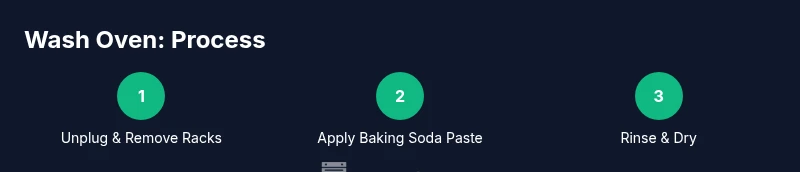
Goal: wash oven safely and effectively using gentle, proven methods. Start by unplugging the unit and removing racks. Apply a baking soda paste to interior surfaces, let it sit, then wipe away with a damp cloth. Finish with a vinegar rinse, dry completely, and reinsert racks. This approach minimizes chemical exposure and protects enamel.
Why wash oven matters
Keeping your oven clean, or wash oven, isn't just about appearance; it directly affects cooking performance, energy efficiency, and food safety. Over time, baked-on grease builds up, smoky odors can transfer to food, and hot spots may develop. A routine wash oven with gentle cleaners helps extend enamel life and makes future cleaning easier. According to Oven Cook Pro, starting with a cool oven and using a simple baking soda paste can achieve great results with minimal risk. This approach minimizes harsh chemicals and preserves the protective coatings on the interior. In this guide, we explore why a regular wash oven matters and how to approach it safely for both electric and gas ovens. The goal is to empower homeowners to maintain a clean, efficient oven without needing professional service or aggressive cleaners.
What makes a good
wash oven
regimen
A well-executed wash oven routine focuses on non-abrasive methods that preserve enamel and avoid fumes. The interior surfaces, door glass, and racks all benefit from tailored care. You’ll learn a practical method that uses baking soda and household vinegar, reducing chemical exposure while delivering noticeable cleanliness. While some ovens offer a self-clean cycle, this guide concentrates on gentle, reliable, manual cleaning that works for most households and is kinder to sensitive cookware and food odors.
How this guide is structured
We’ll first list tools and materials, then present a step-by-step process, followed by safety tips, troubleshooting, and maintenance ideas. Each section builds toward a robust, repeatable routine you can perform in under 90 minutes. You’ll also find a quick FAQ at the end to handle common concerns like self-cleaning modes and alternative cleaners. The emphasis is practical, not theoretical, so you can apply these steps immediately to your oven.
What counts as a successful wash oven
A successful wash oven leaves no greasy film on the walls, door seals intact, and racks free of baked-on residue. You should be able to wipe away most stains with a damp cloth after the paste has had time to work, leaving the enamel looking uniform and free of odor. If you notice lingering fumes or heavy buildup, repeat the cleaning cycle or move to a slightly longer paste dwell time. The aim is steady, repeatable results with minimal chemical use.
A note on enamel protection
Enamel coatings can be sensitive to harsh cleaners and abrasive tools. The wash oven method outlined here uses baking soda as a gentle abrasive and water to form a soft paste that lifts residue without scratching. Always test any cleaner on a small, inconspicuous area first, especially if your oven is older or shows worn enamel. This approach aligns with best practices for maintaining appliance longevity and kitchen hygiene.
Quick comparison: DIY wash oven vs professional service
A DIY wash oven saves time and money and reduces downtime. It also gives you direct control over what cleaners are used and how aggressively you scrub. A professional service, on the other hand, might offer a deeper chemical clean or delicate parts attention. For most households, the baking soda paste method strikes a balance between effectiveness, safety, and convenience. The Oven Cook Pro team recommends starting with the DIY approach and reserving pro service for persistent or heavily degraded ovens.
Final thoughts on a safe, repeatable routine
Adopting a regular wash oven routine helps maintain performance and kitchen hygiene without relying on harsh chemicals. Plan to perform this clean at intervals that match your cooking frequency and rack usage. With the steps in this guide, you can keep your oven looking and smelling fresh, while protecting its interior and ensuring better cooking results over time.
Tools & Materials
- Baking soda(About 1 cup for paste per 12-inch oven surface)
- Water(Just enough to form a paste)
- White vinegar(For final rinse and deodorizing)
- Spray bottle(For vinegar spray on door glass)
- Non-abrasive sponge or microfiber cloth(For applying paste and wiping surfaces)
- Bucket or bowl(Soaking option for racks)
- Old towels or protective mats(Protect countertops and catch drips)
- Gloves (rubber or nitrile)(Protect hands from grime and cleaners)
- Plastic scraper or spatula(Gently lift stubborn stains (avoid metal scrapers))
- Soft-bristled brush(Use on racks or grimy corners if needed)
Steps
Estimated time: 60-90 minutes
- 1
Unplug the oven
Power down the appliance to ensure safety during cleaning. This prevents accidental ignition of any residues and avoids electrical hazards near moisture. Allow the oven to sit cool for at least 15 minutes if recently used.
Tip: Always unplug before starting to prevent shocks and to ensure you can wipe down surfaces safely. - 2
Remove racks and trays
Take out all wire racks and removable trays to expose the interior. This gives full access to corners and walls so you can clean thoroughly without obstacles. Place items on a protective mat to avoid drips on counters.
Tip: Soak the racks in warm, soapy water while you clean the interior to save time later. - 3
Wipe loose debris
Use a dry cloth or brush to remove loose crumbs and debris from the oven interior. This prevents grinding residue when you scrub with paste, reducing grime transfer to the paste.
Tip: Do not scrub aggressively on glass or enamel; remove excess first to avoid scratching. - 4
Mix baking soda paste
Combine baking soda with a small amount of water to form a thick paste. The paste should cling to vertical surfaces without dripping excessively, making it easy to spread evenly.
Tip: Start with a two-part baking soda to one-part water ratio and adjust for thickness. - 5
Apply baking soda paste
Spread the paste over interior walls, floor, and doors where grime is visible. Focus on heavy buildup but avoid the heating elements directly. The paste will work as a gentle abrasive and deodorizer.
Tip: Apply in a circular motion to help the paste cling to vertical surfaces. - 6
Let paste dwell
Allow the paste to sit for 15–20 minutes to break down grease. For very baked-on stains, extend to 30 minutes but avoid letting the paste dry completely. This dwell time is critical for effective cleaning.
Tip: If you’re short on time, increased dwell time is worth it for tough buildup. - 7
Wipe and rinse interior
Dampen a microfiber cloth and wipe away the paste, rinsing the cloth frequently. Repeat until all residue is removed and the interior looks uniform. A final wipe with a clean damp cloth helps to remove any loose particles.
Tip: Rinse cloths often to prevent re-depositing grease. - 8
Clean the door glass
Spray white vinegar on the interior glass and wipe with a clean microfiber. Vinegar helps dissolve remaining grease and leaves a streak-free finish. Do not scrub with abrasive tools on glass.
Tip: For stubborn spots, apply the vinegar, wait a few minutes, then wipe. - 9
Clean racks and trays
Soak racks and trays in warm soapy water, then scrub with a non-abrasive sponge. Rinse, dry, and set aside. This prevents reintroduction of grime when reassembling the oven.
Tip: Use a soft brush for corners where grime accumulates. - 10
Dry interior and reassemble
Wipe the interior dry with a clean towel, ensuring no moisture remains near the heating elements. Reinsert racks and trays in their original positions to maintain airflow and performance.
Tip: A dry cavity reduces the chance of steam residues on next use. - 11
Optional test bake
If your oven doesn’t rely on a self-clean cycle, run a short, low-heat bake (around 350°F) for 5–10 minutes to drive out moisture and odors. Do not perform heat cycles immediately after cleaning if the interior is still damp.
Tip: Ventilate the area during this test bake to dissipate any cleaning odors.
Questions & Answers
Can I use commercial oven cleaners for this method?
Commercial cleaners can be harsh on enamel and may leave residues. This guide recommends a baking soda paste and vinegar rinse for safer, gentler cleaning. Always follow the appliance manufacturer's directions.
Commercial cleaners can be harsh on enamel; this method uses baking soda and vinegar for safety. Always follow the manufacturer's directions.
Is this method safe for self-cleaning ovens?
Yes, manual cleaning with paste is safe for most ovens. Do not rely on a self-clean cycle immediately after applying paste, and consult your owner's manual for cautions.
Manual cleaning with paste is safe for most ovens. Avoid running the self-clean cycle right after cleaning.
How long does cleaning typically take?
Expect about 60 to 90 minutes for a thorough wash oven process, including soaking racks and a final rinse.
Plan for about an hour to an hour and a half.
Can I substitute vinegar with lemon juice?
Vinegar is preferred for its acidity and odor control. Lemon juice can work but may leave residues or cause slight discoloration on some enamel surfaces.
Vinegar is best; lemon juice is a possible substitute but not as reliable.
Do I need to remove the door gasket?
Do not remove the door gasket. Clean around it with a damp cloth and a soft brush, taking care not to loosen the seal.
Don’t remove the door gasket; clean around it gently.
How often should I wash oven using this method?
Frequency depends on usage. A light clean every 1–3 months works for average home ovens; more frequent cleaning may be needed for heavy cooking or roasting.
Clean every 1–3 months or as needed based on use.
Watch Video
Main Points
- Unplug the oven before cleaning.
- Use a baking soda paste to lift grime gently.
- Rinse thoroughly and dry to prevent streaks.
- Reassemble and test with a short bake.