How to Get Rid of Oven Cleaner Fumes
Discover safe, step-by-step methods to remove oven cleaner fumes, ventilate effectively, and neutralize residue. Practical tips from Oven Cook Pro today.


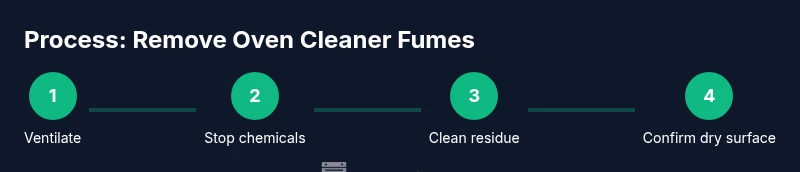
To get rid of oven cleaner fumes, turn off the oven, ventilate the space by opening doors and windows, and direct airflow with a fan. Wipe residue with clean water and a mild baking soda solution, then wear gloves and a mask while you clean and dispose of used cloths safely.
Understanding Oven Cleaner Fumes
Oven cleaners rely on strong alkalis and solvents that release irritant fumes when exposed to air, heat, or moisture. According to Oven Cook Pro, these fumes can irritate the eyes, throat, and lungs, especially in small, poorly ventilated spaces. In many households, odors linger long after the surface seems clean. The key is to minimize exposure quickly by turning on ventilation, removing the cleaner residue, and safely cleaning up with water and baking soda. Always read the product label to identify ingredients and follow any safety warnings. This knowledge helps you approach the cleanup calmly and effectively, reducing risk to family members and pets.
Immediate Safety Steps When Fumes Appear
If you notice oven cleaner fumes, start with immediate safety actions. Move people away from the kitchen and switch off the stove if it’s on. Open doors and windows wide to create cross-ventilation and turn on any exhaust fan. Put on disposable gloves and a mask before handling any wet wipes or residues so you don’t inhale concentrated vapors. Never mix cleaners or combine with bleach; dangerous reactions can occur. After you establish ventilation, you can proceed to the cleanup with calm, deliberate motions.
Ventilation Techniques that Really Work
Effective ventilation relies on creating a flow of air that carries fumes out of the home. Position a portable fan near a doorway to push air outside and place another at the opposite side to pull fresh air in. If possible, vent through an open window on a higher floor; fumes tend to rise. Keep the area well-lit so you can see residues, and check that all doors between rooms remain open to maximize airflow. While ventilating, avoid turning on the oven or heating elements. This reduces chemical vapor release and makes cleanup safer.
Safe Residue Cleanup After Cleaning
Once fumes are under control, focus on removing any leftover cleaner from surfaces. Use clean, damp cloths with warm water and a small amount of mild dish soap or baking soda paste to lift residues. Rinse the cloth frequently and repeat until you wipe away streaks. Wipe down the oven racks separately, and don’t forget knobs and door seals. Afterward, wipe with a fresh damp cloth to remove soapy residue. The goal is to leave surfaces dry and free of chemical residues before use.
Odor Neutralization and Fresh Air
Odor removal benefits from neutralizing agents that don’t add fumes themselves. Baking soda can help absorb smells if sprinkled on a damp sponge or cloth, and a light dusting of activated charcoal is an option for persistent odors, if available. You can also rinse with a vinegar solution (1 part white vinegar to 4 parts water), but never mix vinegar with bleach or ammonia. After cleaning, leave the kitchen door open and run a fan for another 10-20 minutes to fully disperse the smell. Avoid heating the oven while fumes linger.
When to Seek Medical Help and What to Do
If you experience coughing, wheezing, chest tightness, or persistent throat irritation after oven cleaner fumes exposure, move to fresh air immediately and seek medical advice. For mild symptoms, continue ventilation and monitor for improvement over the next hour. If symptoms worsen or you have underlying respiratory conditions, contact a healthcare professional or your local poison control center. For households with children or pets, keep them away from the area until all fumes have cleared.
Preventive Tips for Future Oven Cleanups
To minimize future exposure, plan ahead. Always ventilate before you start, and keep a window or door open during and after cleaning. Use gloves and a mask, and avoid mixing cleaners with other chemicals. Test cleaners on a small, hidden area first to gauge reaction with surfaces. If you frequently clean ovens, consider a gentler cleaner and perform periodic maintenance when the oven is cool. By establishing a safety routine, you’ll reduce risk and protect your household.
Tools & Materials
- Portable fan or exhaust fan(Place to direct fumes toward open window)
- Open windows/doors(Ensure cross-ventilation; keep open throughout process)
- Disposable gloves(Nitrile or latex; avoid latex if allergy)
- Protective mask (N95 or equivalent)(Helps protect from fumes; wear during cleaning)
- Mop or damp cloths(For residue cleanup)
- Baking soda(For paste and mild neutralization)
- White vinegar (optional)(Odor-neutralizing; avoid mixing with bleach)
- Water supply(For rinsing and dilution)
- Trash bag(Seal and dispose of contaminated materials)
Steps
Estimated time: 30-60 minutes
- 1
Stop and Ventilate Immediately
Turn off the oven and move away from the fumes. Open doors and windows to establish cross-ventilation and switch on any exhaust fans. This step reduces exposure and stabilizes the environment before you handle residues.
Tip: Do this first to minimize inhalation risk. - 2
Protect Yourself with PPE
Put on disposable gloves and a protective mask before touching any surfaces or residues. Keep children and pets away from the area to prevent accidental exposure.
Tip: N95 is preferred for effective filtration. - 3
Assess Residue and Begin Cleaning
Check visible surfaces for cleaner residue. Wipe with a damp cloth; if residues persist, make a mild baking soda paste and gently scrub, then wipe again with clean water.
Tip: Avoid harsh scrubbing that can spread fumes. - 4
Rinse Surfaces Thoroughly
Rinse every cleaned surface with clean water to remove soap or baking soda remnants. Re-wipe with a fresh damp cloth until no streaks remain and surfaces feel dry to touch.
Tip: Dry with a microfiber to prevent streaks. - 5
Ventilate and Monitor Odors
Keep ventilation running for at least 10–15 minutes after cleaning to ensure fumes disperse. If odor lingers, repeat wiping and drying steps as needed.
Tip: Check for lingering vapors by gently waving your hand near surfaces. - 6
Close the Loop with a Final Wipe
Do a final, thorough wipe of countertops and oven door seals to ensure no chemical residues remain. Allow surfaces to air-dry completely before use.
Tip: A dry surface reduces chance of re-emission. - 7
Check and Safely Store Materials
Seal used wipes and rags in a bag before disposal. Return PPE to its storage area and wash hands after removal to prevent any residual exposure.
Tip: Dispose of materials safely and promptly.
Questions & Answers
What should I do first if I smell oven cleaner fumes?
Open doors and windows, turn on a fan, and move people away from the kitchen. Put on PPE before touching any surfaces and avoid starting or heating the oven. This rapid ventilation helps disperse fumes before cleaning.
Open doors and windows, start a fan, and put on gloves and a mask before touching anything. Ventilate before you clean.
Can I use vinegar to counter fumes after cleaning?
Vinegar can help with odors but avoid mixing it with bleach or ammonia. Use a small vinegar solution only for odor control and rinse surfaces well after use.
Vinegar can help with odors if used alone and never mixed with other cleaners. Rinse well afterward.
How long should I ventilate after cleaning?
Ventilate for at least 10–15 minutes after finishing cleaning. If the kitchen remains stuffy or smells strongly, extend ventilation and re-check surfaces for residue.
Ventilate for at least 10 to 15 minutes and leave the area well-ventilated for longer if odors persist.
What PPE should I wear when cleaning fumes?
Wear disposable gloves and a respirator or N95 mask. Eye protection is optional but helpful if splashes are possible. Keep kids and pets away.
Gloves and a proper mask are essential; add eye protection if you expect splashes.
What if symptoms persist after ventilation?
If coughing, wheezing, or chest tightness continues, seek medical advice promptly. Prolonged exposure may require professional assessment.
If symptoms don’t improve after ventilation, contact a healthcare professional.
Is it safe to reuse the oven after cleaning?
Yes, but ensure all residues are cleaned and surfaces are dry before using again. Re-check seals and racks for any remaining cleaner.
Make sure everything is clean and dry before using the oven again.
Watch Video
Main Points
- Ventilate thoroughly during and after cleanup.
- Avoid mixing cleaners to prevent dangerous fumes.
- Wipe residues with water and baking soda.
- Wear protective gear for safety.
- Seek medical help if symptoms persist.