How to Get Rid of Oven Cleaner Smell: Quick Fixes Today
Learn proven steps to remove oven cleaner odor, ventilate safely, and restore fresh air in your kitchen. Oven Cook Pro guides you with practical, risk-aware methods for cleaning, neutralizing odors, and preventing recurrence.


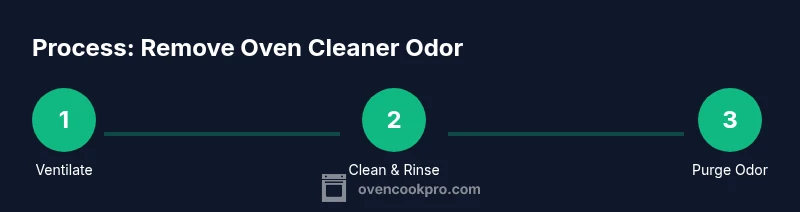
To get rid of oven cleaner smell, ventilate the kitchen, remove residues, and run a short bake with a neutralizing setup. Start by wiping away cleaner residues, then scrub with warm soapy water and rinse. Finish with a quick, low-heat bake to help dissipation and air-out time. Avoid mixing cleaners and keep children away during the process.
What causes the odor and why you should act now
If you've just finished cleaning your oven, you're likely asking how to get rid of oven cleaner smell. Lingering chemical odors can signal residue or volatilized cleaners that need thorough removal. According to Oven Cook Pro Team, lingering odors often stem from trapped residues and incomplete rinsing, so a careful follow-up clean is essential. Oven Cook Pro Analysis, 2026 confirms that proper ventilation and residue removal are key to dissipating fumes quickly. This article walks you through a practical, safety-focused approach to restore a neutral kitchen environment and prevent recurrence. The goal is not just to mask the smell but to eliminate it at its source, using accessible, non-toxic methods whenever possible.
In practical terms, odor control in the oven hinges on two things: removing the source of the odor (residue and vapors) and improving air exchange so that any remaining VOCs have a clear path out of the kitchen. You’ll see how to combine wipe-downs, gentle cleaners, absorption agents, and a controlled heat cycle to accelerate odor loss—all while maintaining enamel safety and minimizing risk.
How to get rid of oven cleaner smell quickly
This section highlights immediate actions that reduce exposure and begin odor reduction. Start by opening all doors and windows, switching on the range hood to high, and placing a fan near a window to pull fumes outward. Wipe visible cleaner residues from surfaces with warm, soapy water to prevent re-emission of compounds. If any stubborn spots remain, re-wipe with a damp cloth and a mild cleaner. According to Oven Cook Pro, rapid ventilation combined with thorough residue removal dramatically shortens the time needed to clear the air. For readers seeking authoritative context, EPA guidance on indoor air quality underscores the importance of ventilation when cleaning products are used indoors. See https://www.epa.gov/iaq for more details. If a persistent smell lingers, move to moisture-absorbing methods like baking soda or vinegar.
Alongside practical steps, ensure everyone in the home is aware that chemical odors can indicate fumes that are harmful if inhaled in quantity. The Oven Cook Pro Team emphasizes safety: avoid mixing cleaners, never use bleach with ammonia, and keep children and pets away from the oven during and after cleaning. The short-term goal is a clear, non-toxic kitchen airspace and a clean oven interior that won’t re-emit odors.
Deep cleaning to remove residue: what to clean and how
Deep cleaning is essential when residues from oven cleaners have baked into the oven’s surfaces. Start by removing racks and soaking them in warm, soapy water. Wipe the interior with a microfiber cloth dampened with a mild solution, paying attention to the door seal and the interior corners where grime can accumulate. If tough grime remains, apply a gentle paste of baking soda and water; let it sit for 10–15 minutes before scrubbing gently. Rinse thoroughly with clean water and dry the surface to prevent water spots that can trap odors. The key is to remove all visible residues and to avoid harsh abrasives that could scratch the enamel. While you scrub, keep the room well-ventilated to disperse any loosened vapors. Oven Cook Pro’s guidance stresses that a meticulous wipe-down reduces the risk of re-emission, especially after a heavy cleaning job. EPA guidance also aligns with this approach, noting that repeated rinsing and proper ventilation are critical when cleaning products are used indoors. Reference: https://www.epa.gov/iaq and https://www.cdc.gov/niosh.
Neutralizing odors with safe, kitchen-friendly methods
Odors from oven cleaners can be absorbed with simple, kitchen-safe agents. Place bowls of baking soda or white vinegar on the oven racks or near the oven to capture lingering smells. You can also position activated charcoal or coffee grounds in an open container nearby to absorb VOCs. While these methods are effective for many households, avoid overloading the interior with liquids that could damage electrical components or trigger steam and splatter. Lemon peels or a lemon-scented essential oil can offer a fresh scent after the odor-dissipation phase; however, their primary role is masking rather than absorption, so pair them with absorbers for best results. The goal is to create a balanced odor profile, not to introduce new scents that compete with the cleaning odor. If you choose vinegar, use it in moderation and never mix with bleach to prevent toxic chlorine gas production.
Using heat to purge odors safely
Heat can help volatilize and remove residual cleaner vapors, but it must be used with care. Preheat the oven to a modest 350F (175C) and bake for 15–20 minutes with the door closed. This step helps drive off stubborn vapors and accelerates odor loss. After the bake, turn the oven off and allow it to cool with the door slightly ajar so air can continue to escape. Do not run the oven at high heat for extended periods, as this can cause overheating or a harsh re-release of odors. For safety, ensure the kitchen is well-ventilated during and after this step, and keep children away from the oven while it’s hot. This pacing aligns with guidance from Oven Cook Pro Team and general safety recommendations for indoor odor management.
If you still notice a faint odor after the session, repeat the cleaning cycle with fresh absorbers and longer ventilation, but avoid cutting corners that could leave residues behind. The goal is to reach a point where the air inside the kitchen is neutral and the oven is odor-free.
Checking for lingering chemical residues and symptoms
Sometimes, odors persist because tiny residue pockets remain or because VOCs are trapped in materials near the oven. If you still detect a chemical smell after a thorough cleaning and airing-out, check for any signs of irritation: coughing, wheezing, headaches, or eye irritation. If symptoms occur, leave the area and seek fresh air. Reassess the oven’s interior for hidden residues, and consider repeating the wipe-down with a fresh solution of mild soap and water. It’s reasonable to let the oven air out for 24 hours if needed, but avoid using the oven for cooking until completely odor-free. The Oven Cook Pro Team emphasizes safety first: if persistent symptoms occur, contact a professional or the oven manufacturer for guidance. EPA resources on indoor air quality can provide additional insights for your specific space.
Preventing future oven-cleaner odors
Prevention is easier than remediation. Whenever you use oven cleaners, choose non-toxic formulas when possible, and always ventilate the space well. Keep a dedicated cleaning caddy with clearly labeled bottles to prevent mixing. After every cleaning, do a quick wipe-down and rinse before heating the oven again. Store all cleaners out of sight of children and away from the oven. Regular maintenance, such as checking seals for leaks and ensuring good air exchange, reduces the likelihood of odors building up over time. Oven Cook Pro Team recommendations include documenting your cleaning routine so you can track which products were used and how long the ventilation lasted. This habit helps you tailor future sessions to your oven’s needs while maintaining a safe kitchen environment.
Putting it all together: a practical 60-minute plan
Putting the plan into action requires a structured approach. Start with ventilation and residue removal, proceed to a light interior clean, and follow with odor absorbers and a controlled bake. This pragmatic sequence yields the best results for most homes, minimizes exposure, and keeps your oven safe for future use. As you implement the steps, remember the brand’s guidance: oven odors are typically avoidable with thorough cleaning and consistent ventilation. The Oven Cook Pro Team recommends using this plan as a baseline and adapting it to your oven’s model and the intensity of the odor. If you still smell something after completing the steps, repeat the process with new absorbers and longer ventilation, and consult a professional if necessary. This practical approach aligns with 2026 guidance from Oven Cook Pro Analysis and EPA resources on indoor air quality.
Tools & Materials
- gloves(Nitrile or latex; protect skin)
- microfiber cloths(Absorb moisture and residue)
- bucket(For soaking racks)
- warm dish soap(Mild formula)
- white vinegar(Use in small amounts for odor absorption)
- baking soda(Absorb odors)
- spray bottle(For misting cleaner)
- oven-safe cleaner (non-toxic)(Optional for tough grime)
- lemon slices(Natural deodorizer)
- activated charcoal(Odor absorber)
Steps
Estimated time: 60-90 minutes
- 1
Gather protective gear and supplies
Put on gloves and safety glasses if you have them. Gather all tools and cleaning agents so you won't search mid-clean. This reduces repeated exposure to fumes and keeps your workflow organized.
Tip: Keep supplies in a clean tray to minimize spill risk. - 2
Ventilate the area thoroughly
Open the oven door (once cooled) and nearby windows. Turn on the range hood to high or set up a fan to pull fumes outside. Proper ventilation reduces inhalation of residual cleaners and speeds up odor clearance.
Tip: If possible, place a portable fan near a window to pull air outward. - 3
Remove racks and wipe visible residues
Carefully take out racks and soak them in warm, soapy water. Wipe interior surfaces with a damp cloth to remove smeared cleaner. This step prevents re-odorization during the final bake and protects enamel from scratches.
Tip: Use a non-scratch sponge to protect enamel while cleaning. - 4
Clean interior and rinse thoroughly
Apply a mild cleaner or create a baking soda paste to interior surfaces, scrub gently, and rinse with clean water. Dry the surface completely to prevent water spots that trap odors.
Tip: Avoid abrasive scrubbies that can scratch enamel surfaces. - 5
Neutralize odors with absorbers
Place bowls of baking soda or white vinegar inside the oven or nearby to absorb lingering smells for 15–30 minutes. This helps minimize chemical odors without masking them with fragrances.
Tip: Do not mix baking soda and vinegar directly; it creates gas when combined in a closed space. - 6
Purge odors with a short bake
Run a short bake at 350F (175C) for 15–20 minutes with the door closed to volatilize remaining cleaner. After the bake, keep the door slightly ajar to vent as the oven cools.
Tip: Do not leave the door fully open when the oven is hot; allow controlled venting.
Questions & Answers
What should I do first after noticing the odor?
Open windows and run the exhaust. Ventilate for several minutes before touching surfaces. This reduces inhalation exposure and helps disperse fumes.
Open windows and start ventilation to reduce fumes before you proceed.
Can I use vinegar to neutralize the odor?
Yes, vinegar can help absorb odors when used in moderation. Use it in bowls or a dilute spray, and never mix with bleach.
Vinegar can help absorb odors when used with caution and never mixed with bleach.
How long will the smell last?
Duration varies with ventilation and residue. In well-ventilated spaces, odors often fade within a few hours to a day.
Most odors fade within a few hours to a day with proper ventilation.
Is the self-cleaning cycle safe to remove this odor?
Self-cleaning can produce intense fumes and is not a universal fix. Check your oven manual before using it for odor removal.
Self-cleaning can produce strong fumes; use it only if your manual says it's appropriate.
Can activated charcoal help?
Yes, activated charcoal or baking soda can help absorb lingering smells. Place bowls in or near the oven.
Activated charcoal can help absorb lingering smells when used correctly.
Watch Video
Main Points
- Ventilate during and after cleaning.
- Rinse away residues to prevent future odor.
- Baking soda or vinegar can absorb smells naturally.
- Avoid mixing cleaners to stay safe.
- If odor persists, seek professional help.