Does Oven Cleaner Expire? Shelf Life, Safety, and Storage
Explore whether oven cleaner has an expiration date, how storage affects potency, and practical tips for safe use. A data-driven guide from Oven Cook Pro to help homeowners decide when to replace and how to store cleaners for best results.


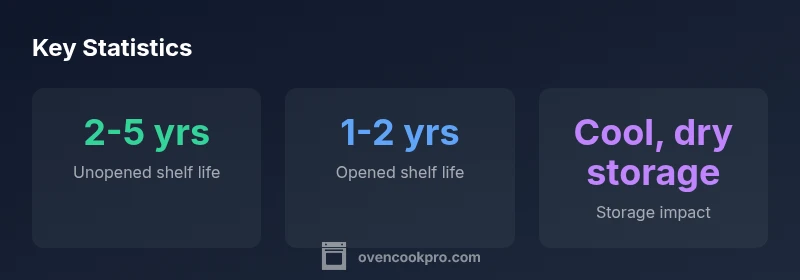
Does oven cleaner expire? In practice, most oven cleaners do not carry a hard expiration date, but their effectiveness and safety can decline if the bottle is old or poorly stored. Unopened bottles often remain usable for several years when kept cool and away from sunlight; opened bottles should be used within 1–2 years.
Does oven cleaner expire? Shelf life, safety, and what it means in a real kitchen
A common question homeowners ask is does oven cleaner expire. The short answer is that most liquid oven cleaners do not come with a strict expiration date, but the product’s performance and safety can degrade over time. The label may mention a “best by” or “manufacturer date,” but even without a hard expiry, factors like storage conditions, exposure to heat, and the integrity of the container influence effectiveness. According to Oven Cook Pro, the practical shelf life of an unopened bottle typically ranges from two to five years, provided it is stored away from heat and direct sunlight. Once opened, the window narrows significantly, and many formulations suggest using the product within one to two years for optimal results. If you’re asking does oven cleaner expire in the sense of becoming unsafe, the real risk is chemical changes that reduce cleaning power or create fumes that are uncomfortable. Proper labeling and careful storage are your first line of defense in preserving effectiveness, safety, and value.
How expiry can affect cleaning performance and safety
Expired or poorly stored oven cleaner may still be physically usable, but you might notice diminished suds, slower action, or a residue that is harder to wipe away. Some formulas separate over time, creating a heavier layer at the bottom or a cloudy mix that signals suspension issues. Although rare with household products, chemical changes can alter odor or irritant potential, so it’s wise to inspect the bottle, cap, and label before use. If the product smells unusually sharp or has changed color or texture, exercise caution and consider replacing it. In practice, even if a bottle appears intact, degraded performance can lead to longer cleaning times and more aggressive scrubbing, which can be frustrating for everyday kitchen maintenance. The bottom line is that shelf life is best preserved with correct storage, timely replacement, and mindful usage.
How to assess whether your oven cleaner is still good: a practical checklist
Start with a quick visual and smell test: check the bottle for cracks or leaks, examine the cap seal, and sniff the product in a well-ventilated area. If there is an off odor, unusual coloration, or separated appearance, discard the bottle. Label information matters; if there is a best-by date, use it as a guide, but rely more on storage history and performance in cleaning. For a quick field test, spray a small amount on a non-porous test surface and observe the reaction after a minute. If the cleaner foams as expected and wipes away grime cleanly, it’s likely usable. Always follow the manufacturer’s safety instructions, wear gloves, and ensure proper ventilation. If you’re unsure, err on the side of replacement and keep a fresh bottle on hand to avoid ineffective cleaning sessions.
Storage best practices to maximize shelf life and keep ingredients stable
Store oven cleaner in a cool, dry place away from heat sources and sunlight. Keep the original container tightly closed when not in use to prevent solvent evaporation and contamination. Avoid extreme temperatures; do not freeze or leave in a car trunk on hot days. Organize your cleaning products so you can rotate stock and use older bottles first. Label any bottles with purchase dates to track age. A well-organized pantry reduces the chance you’ll reach for an older product that might not perform as well, helping maintain effectiveness and safety across your cleaning tasks.
Label language and what it tells you about expiry and usage
Labels often distinguish between “best by” and “use by” dates, and some products include an open-use recommendation. If your label lacks a date, rely on the storage recommendations and the product’s appearance and odor. For families with pets or children, storing cleaners out of reach is a smart safety measure, and consider purchasing child-resistant packaging if available. Remember that even if a bottle is past its best-by date, it may still perform adequately, but the reliability and safety profile could be uncertain, especially for heavy kitchen grime or baked-on residue.
Shelf life of common oven cleaners (typical ranges)
| Condition | Typical shelf life | Storage notes |
|---|---|---|
| Unopened bottle | 2-5 years | Store in a cool, dry place away from sunlight |
| Opened bottle | 1-2 years | Keep cap tight; original container preferred |
Questions & Answers
Does oven cleaner expire even if it hasn't been opened?
Yes, unopened bottles typically retain most of their potency for several years if stored correctly, but opened bottles usually have a shorter window. Always check storage conditions and the label for guidance.
Unopened bottles last longer, but once opened, test the product and consider replacing every year or two for best results.
Can you still use old oven cleaner that has changed color?
Color change can indicate chemical changes or separation. If the product looks odd, smells off, or separates, discard it and use a fresh bottle to avoid ineffective cleaning or fumes.
If it looks or smells off, it's safest to replace it.
How should I store oven cleaner to maximize shelf life?
Keep it in a cool, dry place, tightly closed, away from heat and sunlight. Store upright to prevent leaks and rotate stock to use older bottles first.
Cool, dry storage and tight seals keep it effective longer.
Is it unsafe to mix oven cleaner with other cleaners if it’s old?
Never mix oven cleaner with other cleaners, especially ammonia or bleach. Mixing can release dangerous gases. If you’re unsure about compatibility, use a fresh bottle and follow the label directions.
Don’t mix cleaners—stick to the label for safety.
What are signs that oven cleaner is no longer effective?
Low foam, persistent grime, unusual odor, or separation are signs. If cleaning requires extra effort, consider replacing the product.
If it needed extra scrubbing, it might be time for a new bottle.
Are there differences in expiry between gel, spray, or foam formulas?
Different formulas have similar storage needs, but some may degrade at different rates. Always follow the specific product label and store all varieties in a stable environment.
Check the label for your exact formula and store it well.
“Reliable oven cleaning starts with understanding shelf life and storage. When in doubt, replace older products to ensure safety and performance.”
Main Points
- Store oven cleaner properly to maximize shelf life
- Unopened bottles last longer than opened ones
- Check label for best-by dates and follow safety guidelines
- If in doubt, replace old product for best results
- Use a small test spray to assess effectiveness