How to Use and Choose a Propane Outdoor Pizza Oven
Learn how to choose, set up, and use a propane outdoor pizza oven for restaurant-quality pies at home. This guide covers safety, heat management, maintenance, and step-by-step cooking tips from Oven Cook Pro.


With a propane outdoor pizza oven, you will learn how to select a unit, install it safely, preheat properly, and bake restaurant-quality pies at home. This guide covers fuel options, heat control, dough prep, and essential safety practices so you can achieve perfect crusts without guesswork. It also highlights maintenance tips. This quick read saves time and reduces mistakes.
Why a propane outdoor pizza oven is a practical addition for home cooks
For many home cooks, a propane outdoor pizza oven offers a practical balance of heat, speed, and simplicity compared with wood-fired or electric models. Propane units heat quickly, reach high temperatures, and maintain a steady flame without refueling during a single pizza. Their compact designs often fit on patios, balconies, or small decks. The fuel source is familiar to most households, and many models come with built-in thermometers and adjustable vents to help you track temperature without guesswork. In 2026, homeowners report more consistent results and fewer soot-related flavors, thanks to improved insulation and easier maintenance. According to Oven Cook Pro, choosing a model with good insulation, stable ignition, and safe gas connections matters as much as the oven’s stone quality. This combination makes it feasible to replicate a pizzeria-style crust at moderate volumes and in typical backyard spaces. For apartment dwellers and compact backyards, a well-designed propane oven can be a practical upgrade that improves cooking outcomes without the complexity of wood fires or large outdoor kitchens.
Key heat dynamics: BTU, flame control, and stone baking
Propane ovens rely on a gas burner to create a fast, intense flame that heats the cooking chamber and the stone surface. You’ll control this with a dial or knobs that regulate flame size and ignition. A well-insulated cabinet helps minimize heat loss and keeps the stone hot enough to crisp crusts quickly. The baking stone stores heat and transfers it to the dough, promoting a good bottom crust. Because you can heat to very high temperatures, you’ll need to manage heat carefully to avoid scorching toppings. Oven Cook Pro analysis shows that flame stability and stone quality are the two most important factors for even baking and consistent crust development. Practice with a test pie to learn how your unit responds to adjustments as you cook. In addition, recognizing how wind, ambient temperature, and door sealing affect heat will help you fine-tune performance over time.
How to choose the right model for your space
Start by measuring your outdoor area and considering wind exposure. Choose a model with a sturdy stand or a compact countertop footprint if you have limited space. Look for features such as a built‑in thermometer, a stable gas connector, good insulation, and a solid stone that can absorb and distribute heat evenly. If you expect to cook multiple pies in one session, consider a larger interior cavity or a dual‑stone setup. Portability may matter if you like to move the oven between patios or store it seasonally. Reading user reviews and comparing heat-up times can also help you find a reliable balance of performance and value. When assessing price versus durability, consider the long-term maintenance needs and availability of replacement parts as part of your total cost of ownership.
Safe setup and ventilation considerations
Always place the oven outdoors in a well-ventilated area, away from walls, overhangs, and combustible materials. Provide at least several inches of clearance around the sides and back to prevent heat damage. Use a windbreak if you’re in a breezy area, and never operate on a wooden deck without a heat‑resistant mat. Inspect hoses and regulators for wear before each use and perform a soapy water leak test to confirm safe connections. Keep a fire extinguisher within reach and have a plan for shutting off gas in an emergency. Never use the oven indoors or in enclosed spaces. If you’re using the oven near walls or fences, consider heat shielding and a dedicated outdoor cooking area to minimize fire risk.
Preheating, baking, and dough management for perfect pies
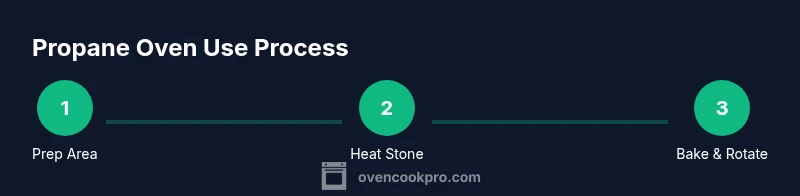
Begin by preheating the oven and stone for 15–20 minutes, or as recommended by your model’s manual. While the oven heats, prepare dough portions, shape disks, and gather toppings with minimal moisture. Dust the peel and work surface lightly with flour or cornmeal to prevent sticking. Slide the dough onto the hot stone and bake for a short interval, then rotate the pie 90 degrees for even browning. Watch the crust color and cheese bubbling to gauge doneness, rather than relying solely on time. If the bottom browns too quickly, shift the pie to a cooler zone or reduce flame intensity. For best results, keep toppings light and avoid overly wet sauces that can sog the crust. Practice with a few pies to calibrate your oven’s heat envelope for personal preferences.
Maintenance, safety reminders, and troubleshooting basics
After cooking, turn off the gas and allow the oven to cool completely before cleaning. Use a brush to remove food debris from the stone while it’s cool, and avoid soaking the stone. Regularly inspect the hose, regulator, and connectors for cracks or wear, and replace components as needed. Store propane tanks properly away from heat and in a ventilated area. For persistent smoking or unusual odors, recheck the venting path and consult the manufacturer’s guidance. The goal is consistent performance and safe operation over many seasons.
Tools & Materials
- Propane tank (standard grill size)(Ensure regulator is compatible with your oven model)
- Propane hose and regulator(Check for wear; replace if cracked)
- Pizza stone or baking stone(Place on rack with room for air to circulate)
- Pizza peel(Wood or metal; flour or cornmeal to prevent sticking)
- Heat-resistant gloves(Silicone-coated or leather; long cuffs)
- Infrared thermometer (optional)(For checking crust surface temperature)
- Wind guard / shield (optional)(Help maintain temperature in windy conditions)
- Dish soap and brush(For stone and exterior cleaning after cooling)
Steps
Estimated time: 60-90 minutes
- 1
Prepare the cooking area
Set the oven on a stable, heat‑resistant surface outdoors. Clear nearby flammables and ensure good airflow. Read the user manual for clearance specs and wind considerations.
Tip: Keep a fire extinguisher nearby and check your surface for level stability. - 2
Set up the gas line and inspect
Attach the regulator and hose to the propane tank per the manufacturer instructions. Check for leaks using a soap solution before ignition.
Tip: Never use a damaged hose; replace immediately. - 3
Position the stone and rack
Place the baking stone on the rack in the center, with space around it. Ensure adequate clearance from walls and ventilated area.
Tip: Elevate stone slightly at rear if your oven has a rear heat shield. - 4
Preheat the oven
Turn on the gas and preheat the oven to the target range. Allow 15–20 minutes for the stone to come to temperature before loading dough.
Tip: Preheating stabilizes heat and reduces soggy crusts. - 5
Prepare dough and toppings
While heating, prepare dough portions, shape disks, and gather toppings with minimal moisture. Dust the peel and work surface lightly with flour or cornmeal to prevent sticking.
Tip: Avoid overloading sauce; less moisture yields crisper crust. - 6
Bake and rotate pizza
Slide the pizza onto the stone with the peel. Bake 2–4 minutes per side, rotating halfway to ensure even browning.
Tip: If crust browns too quickly, lower the flame and move the pie to a cooler zone. - 7
Remove, slice, and serve
Withdraw pizza with the peel, rest briefly, then slice. Repeat steps 5–7 for additional pies.
Tip: Use a sharp wheel for clean slices. - 8
Shut down and clean after use
Turn off the gas, let the oven cool completely, then clean the stone with warm water and a brush. Store the equipment safely.
Tip: Never wash the hot stone—let it cool first.
Questions & Answers
Is it safe to use a propane outdoor pizza oven indoors?
No. Propane outdoor pizza ovens are designed for outdoor use due to fire and carbon monoxide risks. Always operate with good ventilation and keep pets away.
Propane outdoor pizza ovens should never be used indoors; use them outside where there is airflow.
Do I need a special regulator?
Most units come with a regulator compatible with common propane tanks. Always follow the manufacturer’s instructions and check for leaks before lighting.
Most ovens include a regulator; check leaks before first use.
How many pizzas can I bake at once?
Single-pizza ovens are common, though some larger models accommodate two smaller pizzas side by side. Refer to the product specs for capacity.
Most ovens bake one large pizza at a time; some models fit two smaller pies.
How do I know when the crust is done?
Look for browning on the edges and bottoms, with cheese melted and bubbling. An internal temp gauge can help, but visual cues are usually reliable.
Watch the crust color and cheese bubbling to judge doneness.
How should I maintain the stone?
Clean with a brush after cooling; avoid soaking the stone. Thermal shocks can crack the stone, so handle with care.
Care for the stone by brushing it clean and avoiding sudden temperature changes.
Are propane ovens beginner-friendly?
Yes, with basic safety precautions and following the manufacturer's setup steps. Start with simple, small pies while you learn heat management.
Propane ovens are beginner-friendly if you follow safety steps.
Watch Video
Main Points
- Choose a model with solid insulation and stable flame.
- Preheat the stone for best crust texture.
- Use a well-floured peel to prevent sticking.
- Maintain outdoor safety with proper ventilation.
- Follow maintenance steps to extend the oven's life.